


Sensory Climbing Wall for Active Learning and Therapy
 Made in USA
 Approved by Therapist and Educators
 3 Years Warranty
Transform an existing or newly built climbing surface into a responsive environment for movement, learning, and structured sensory activities.
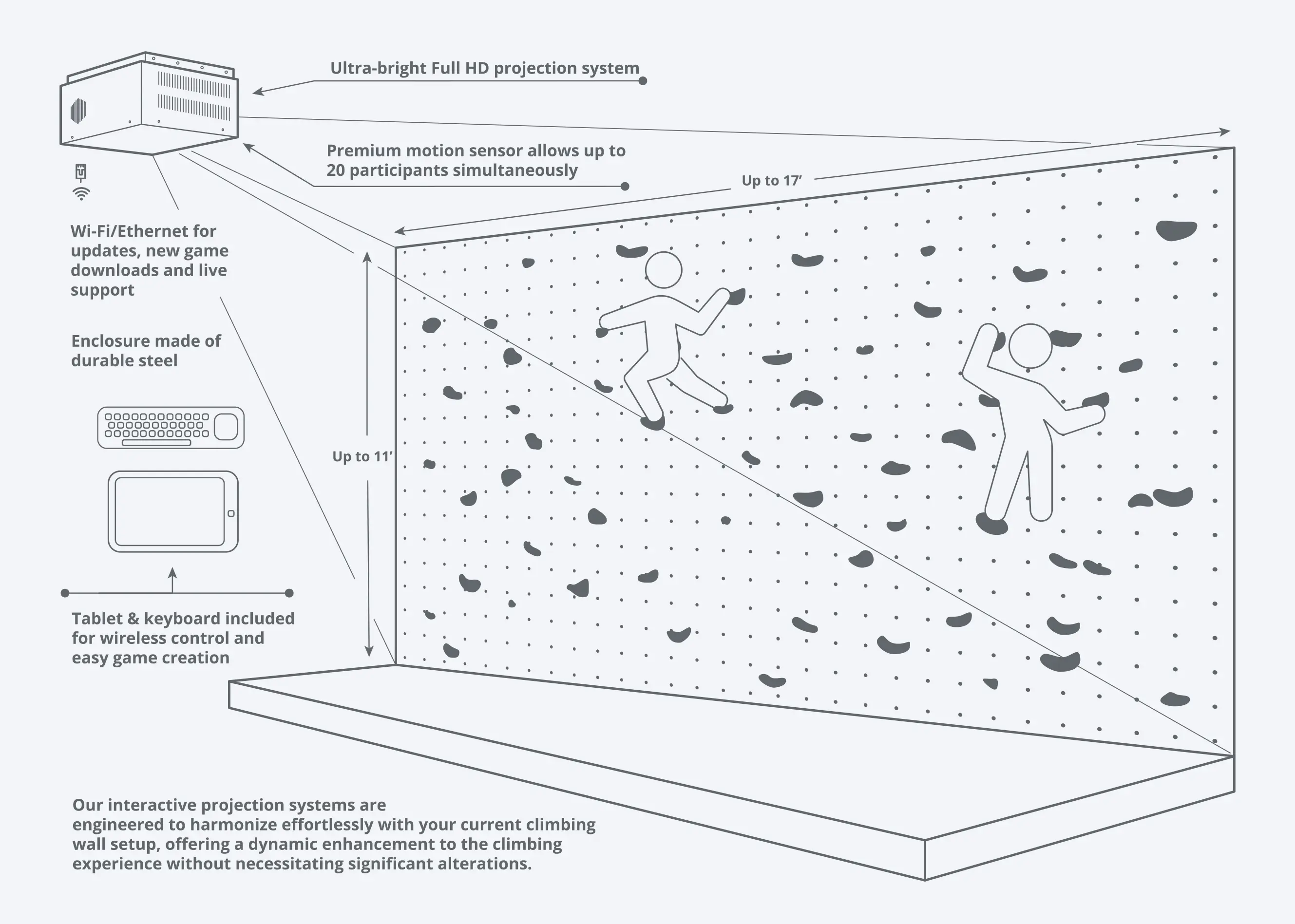
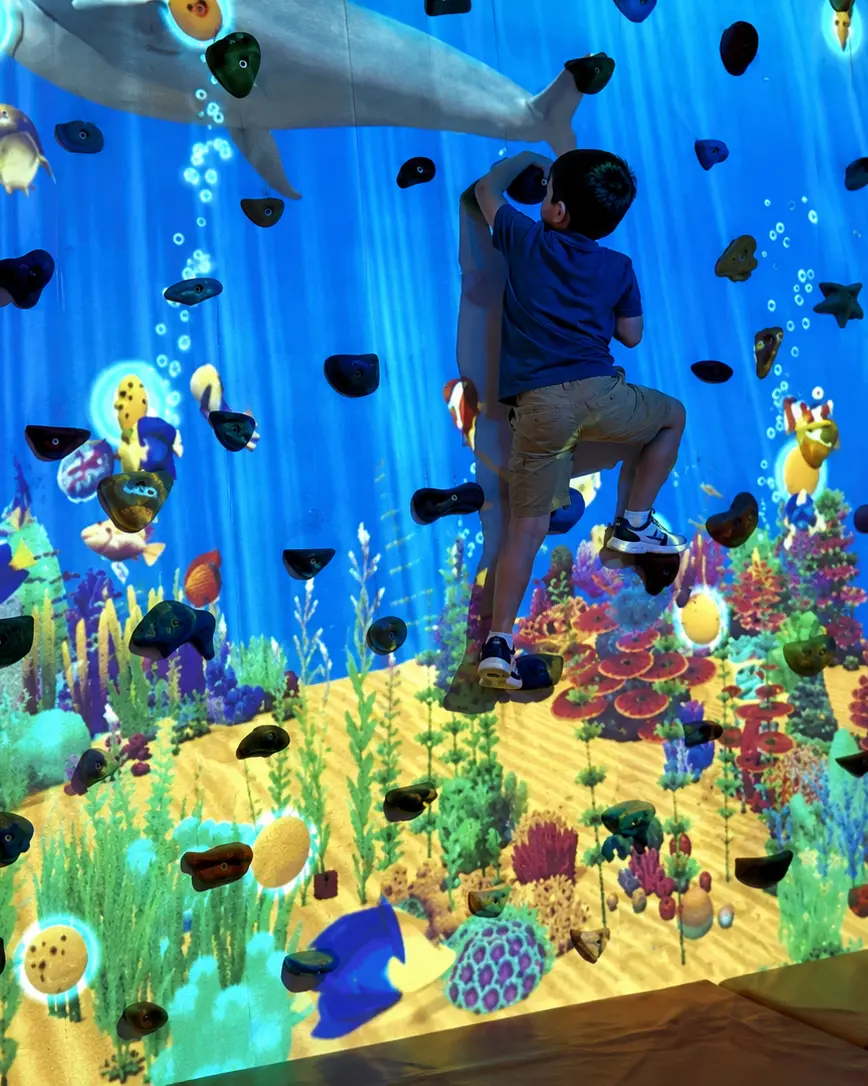
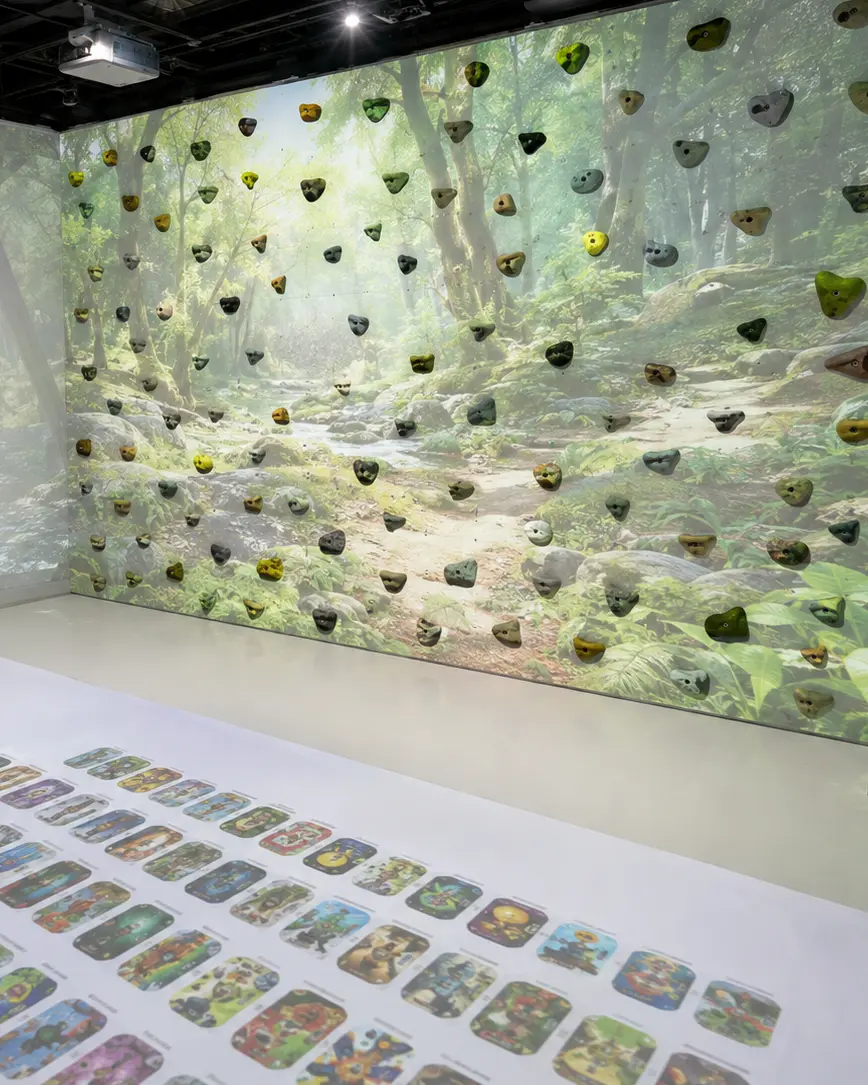
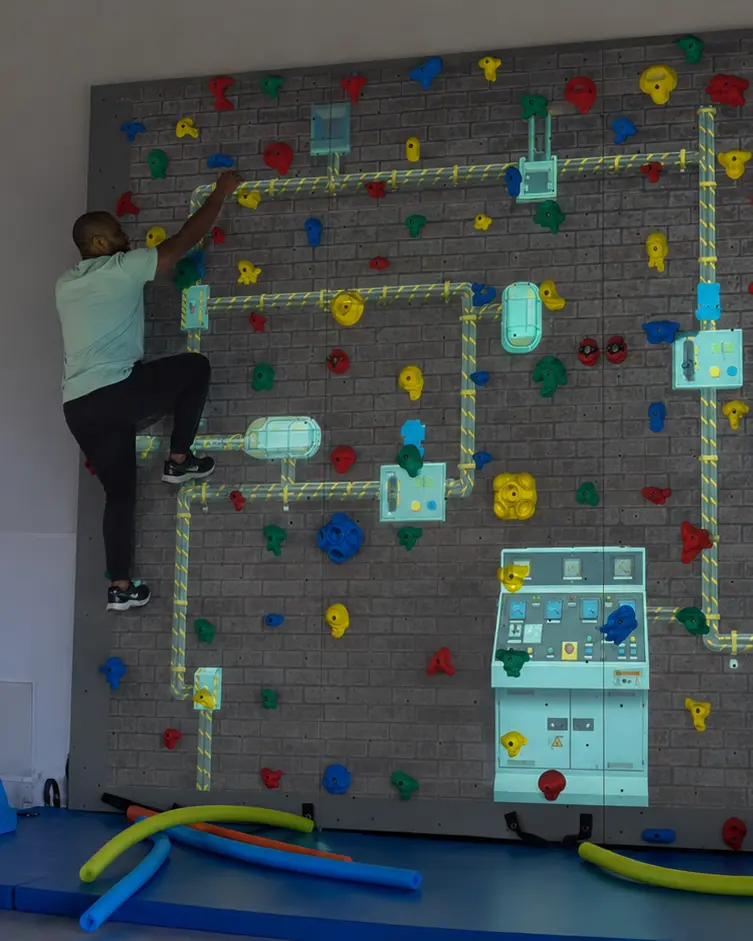
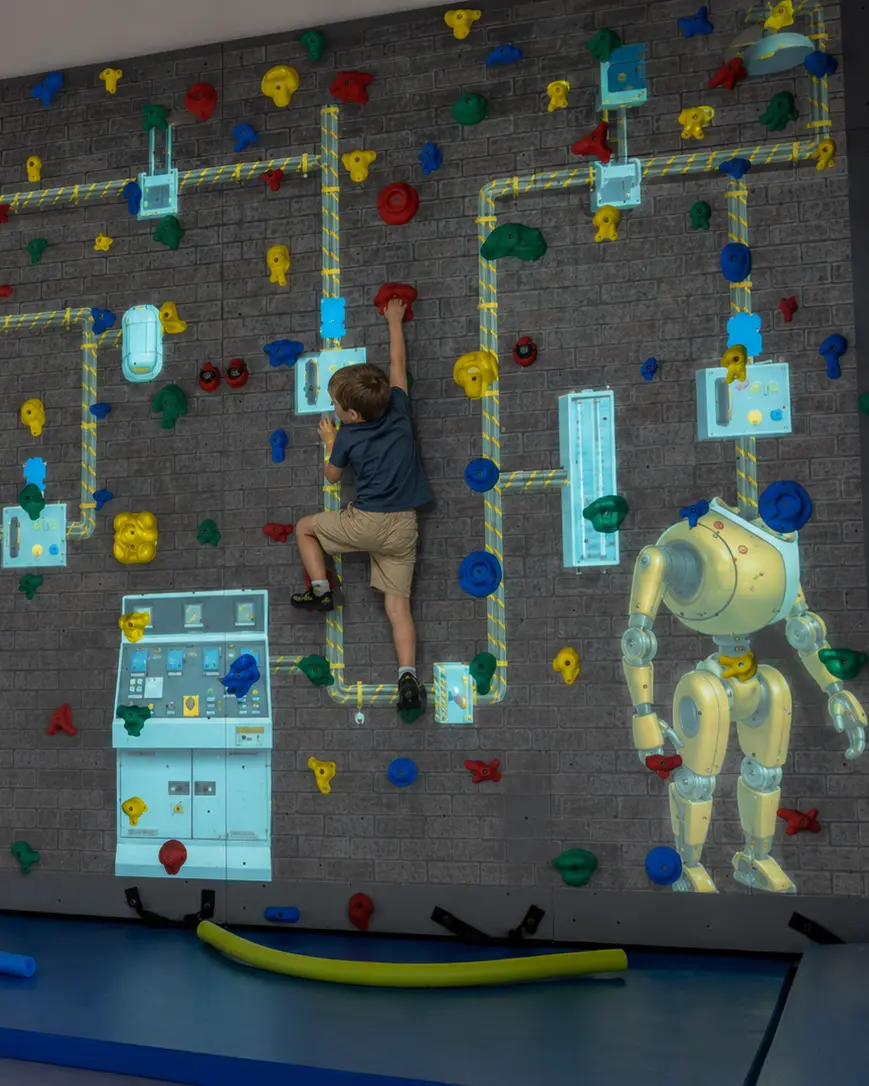
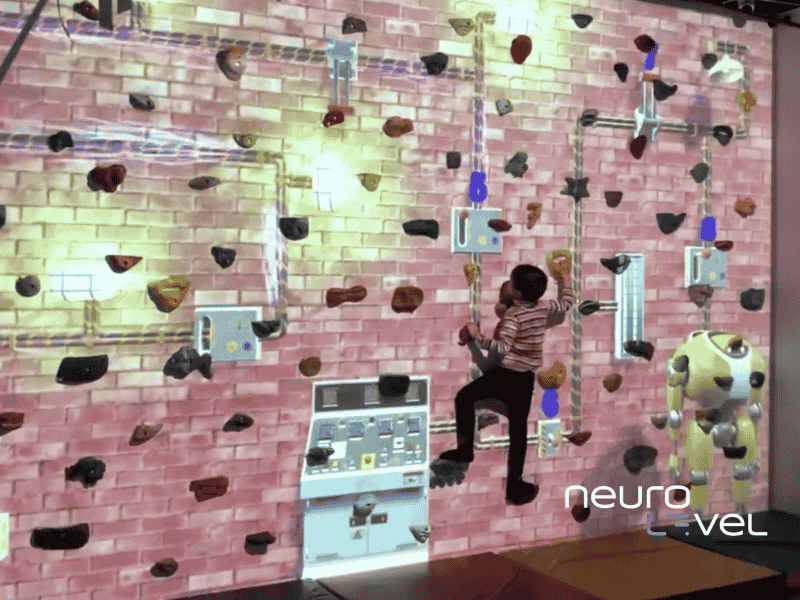
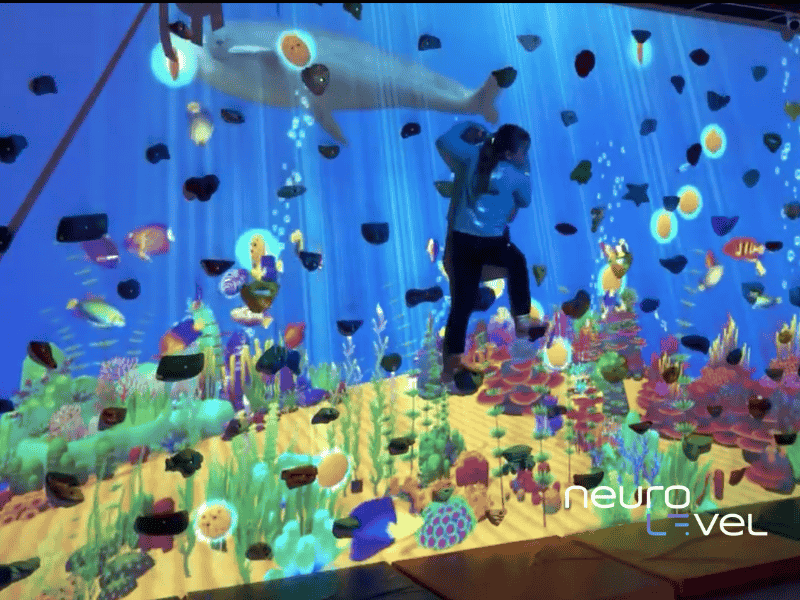
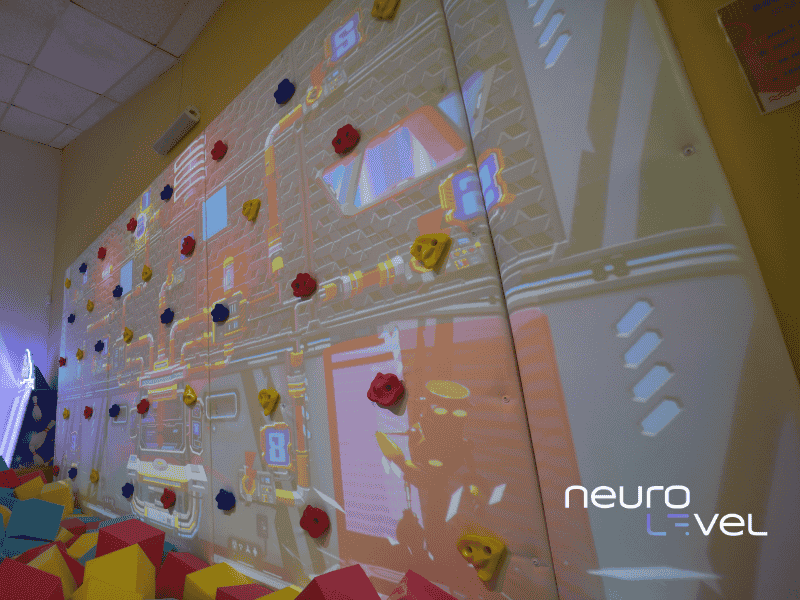
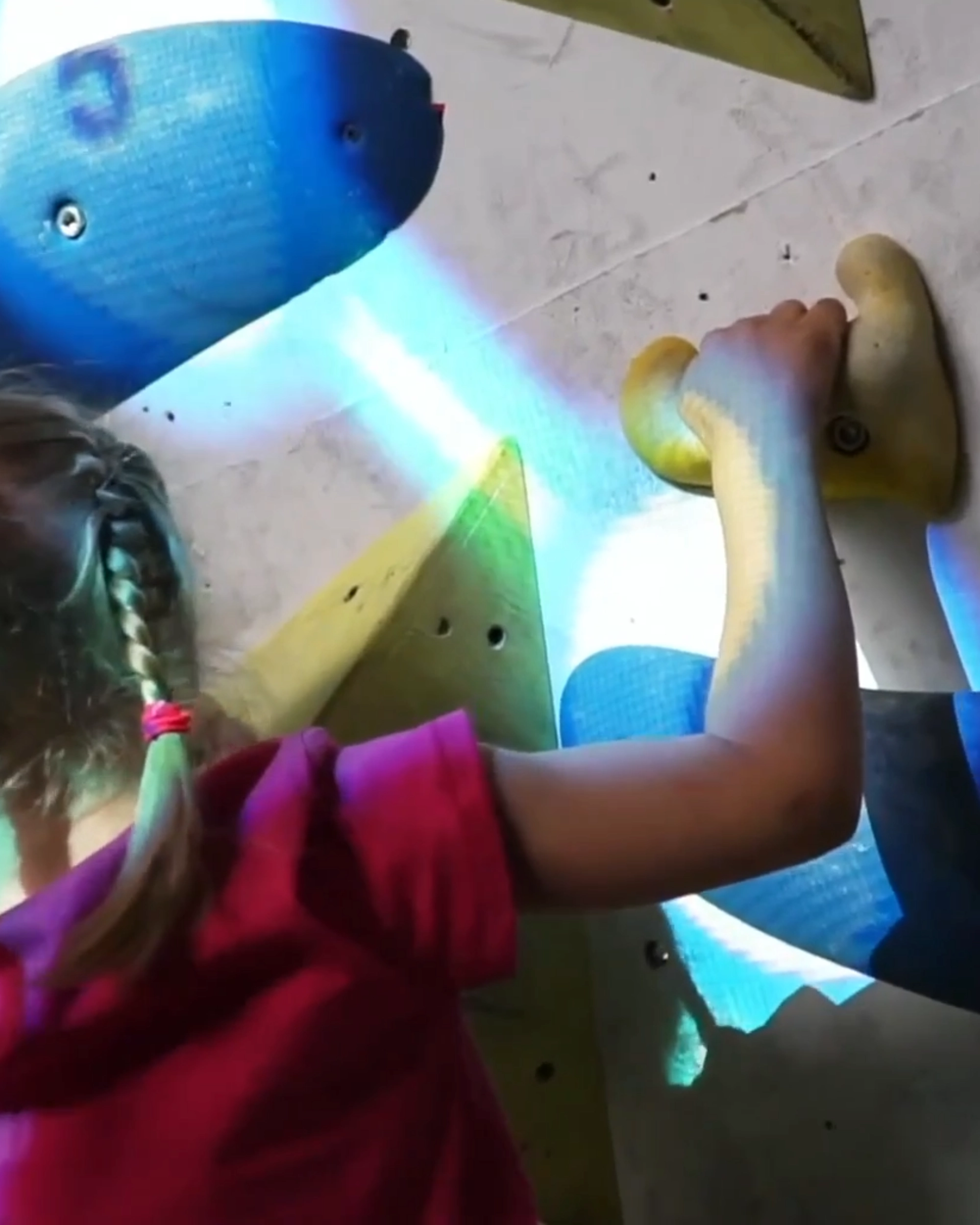
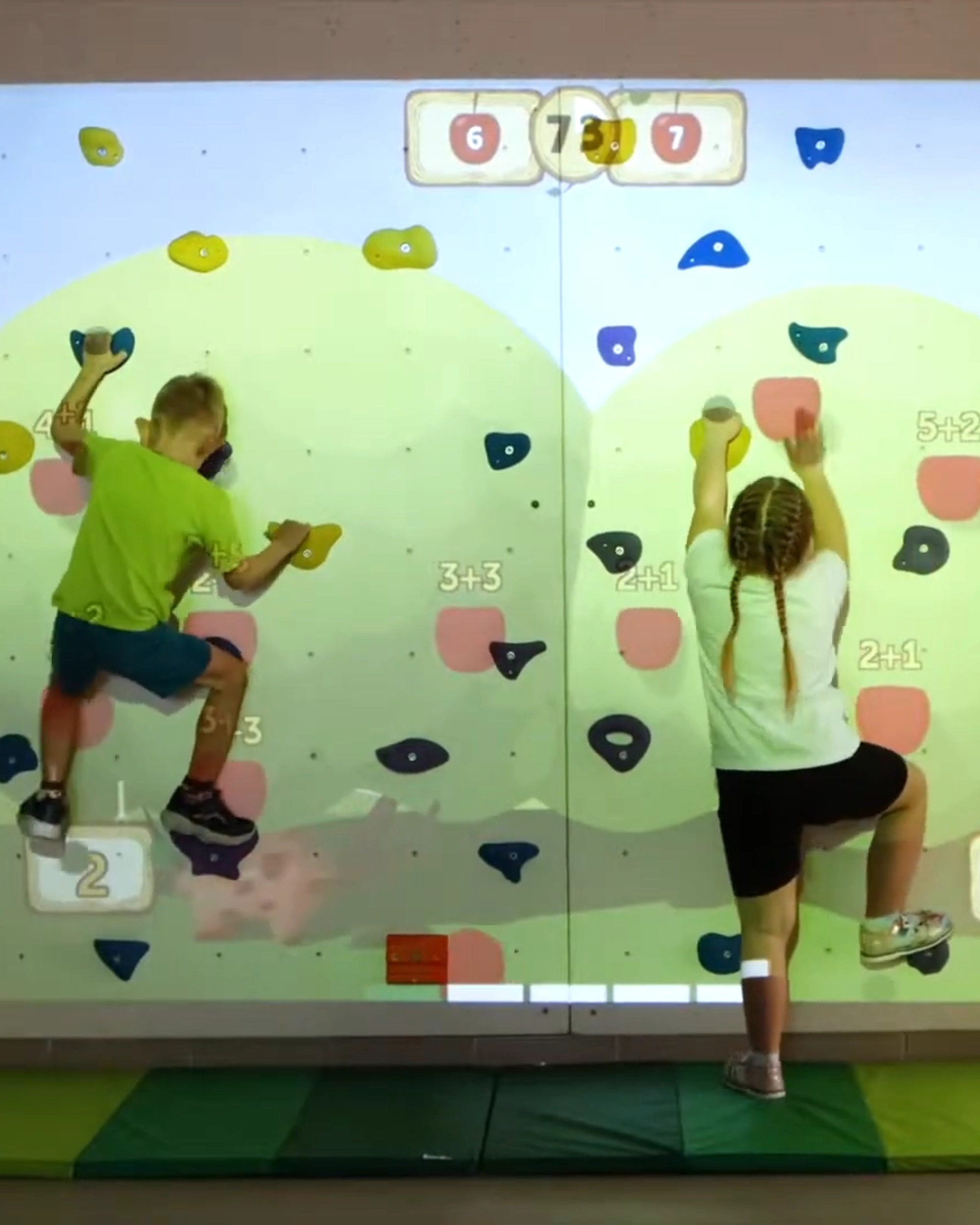
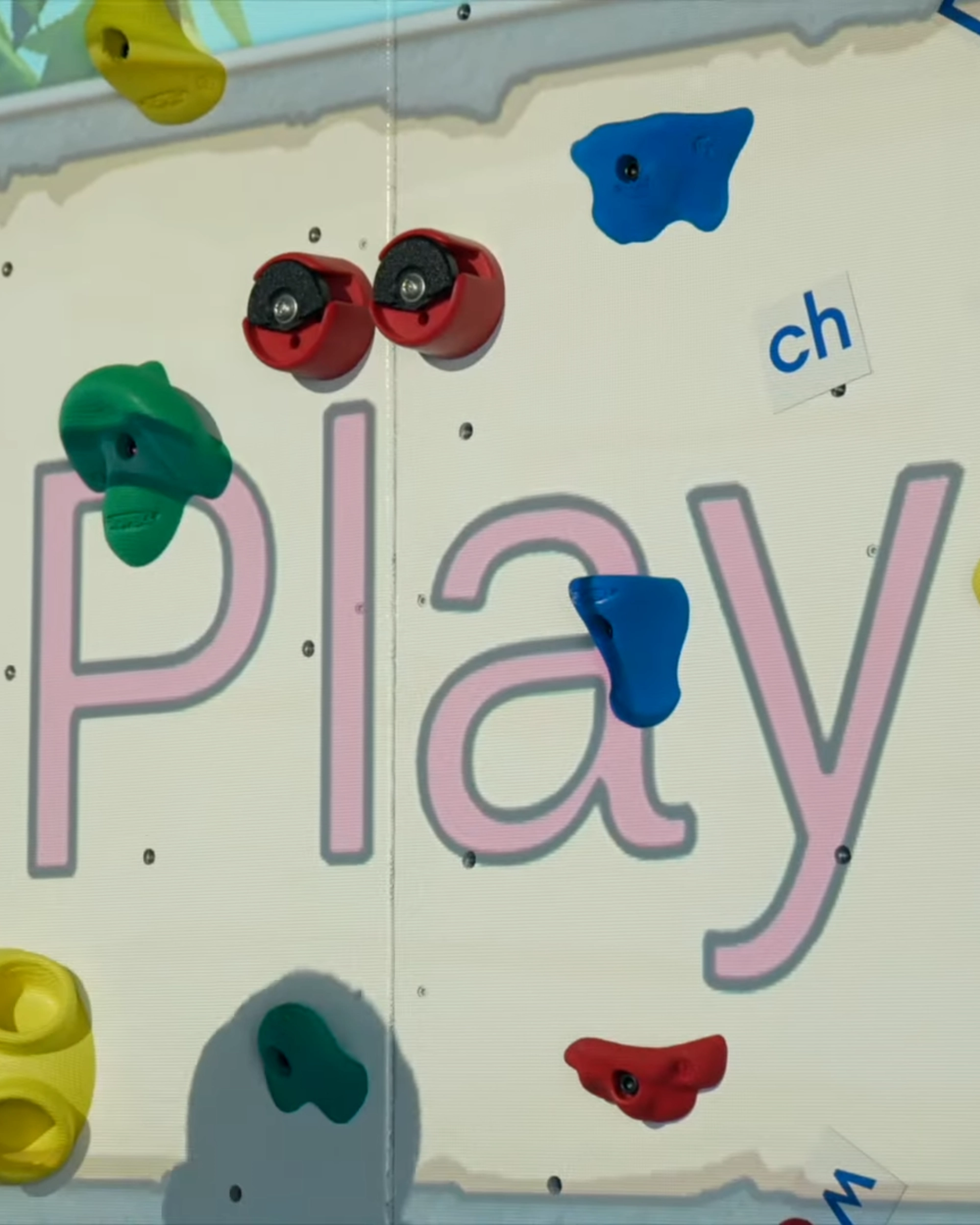
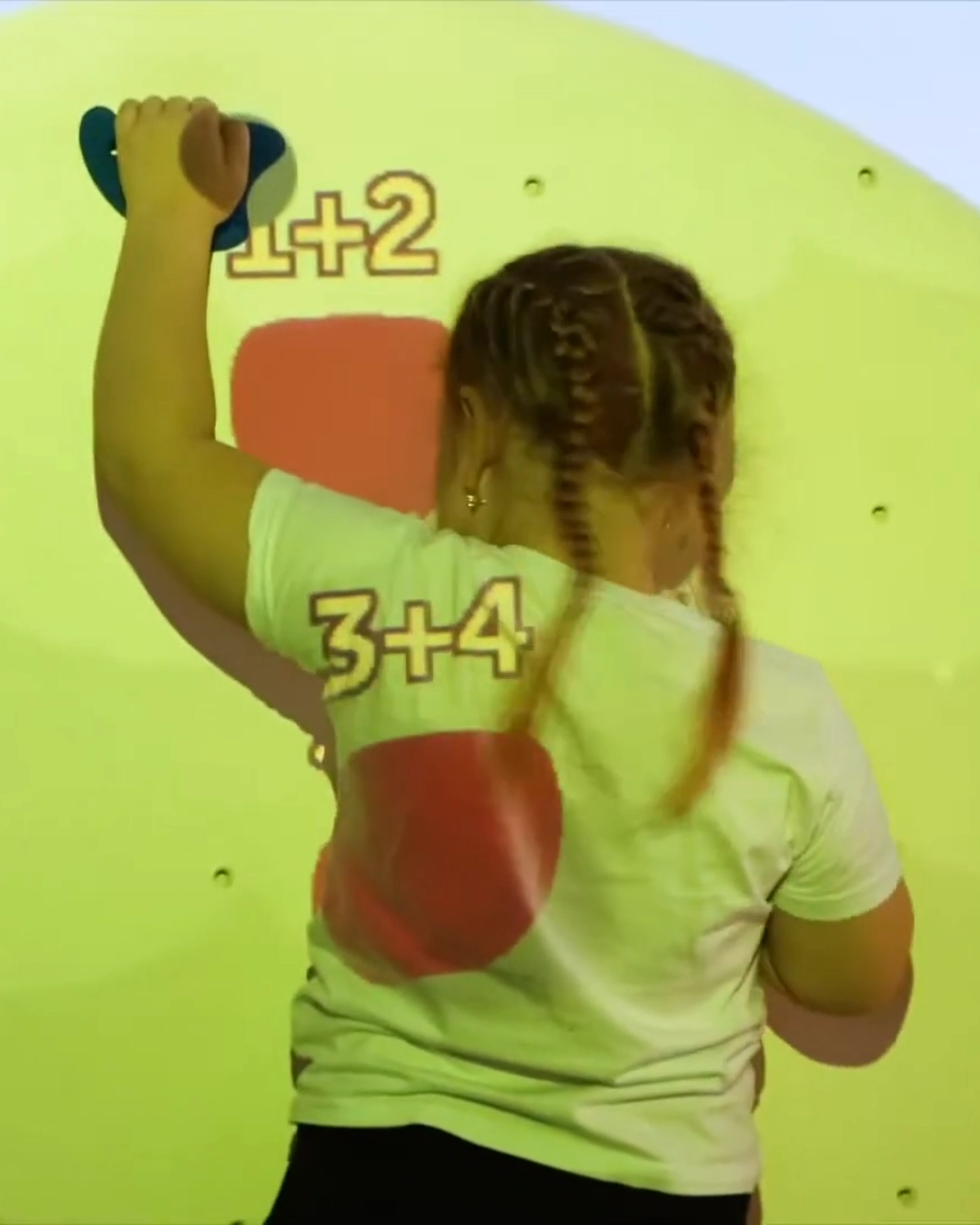
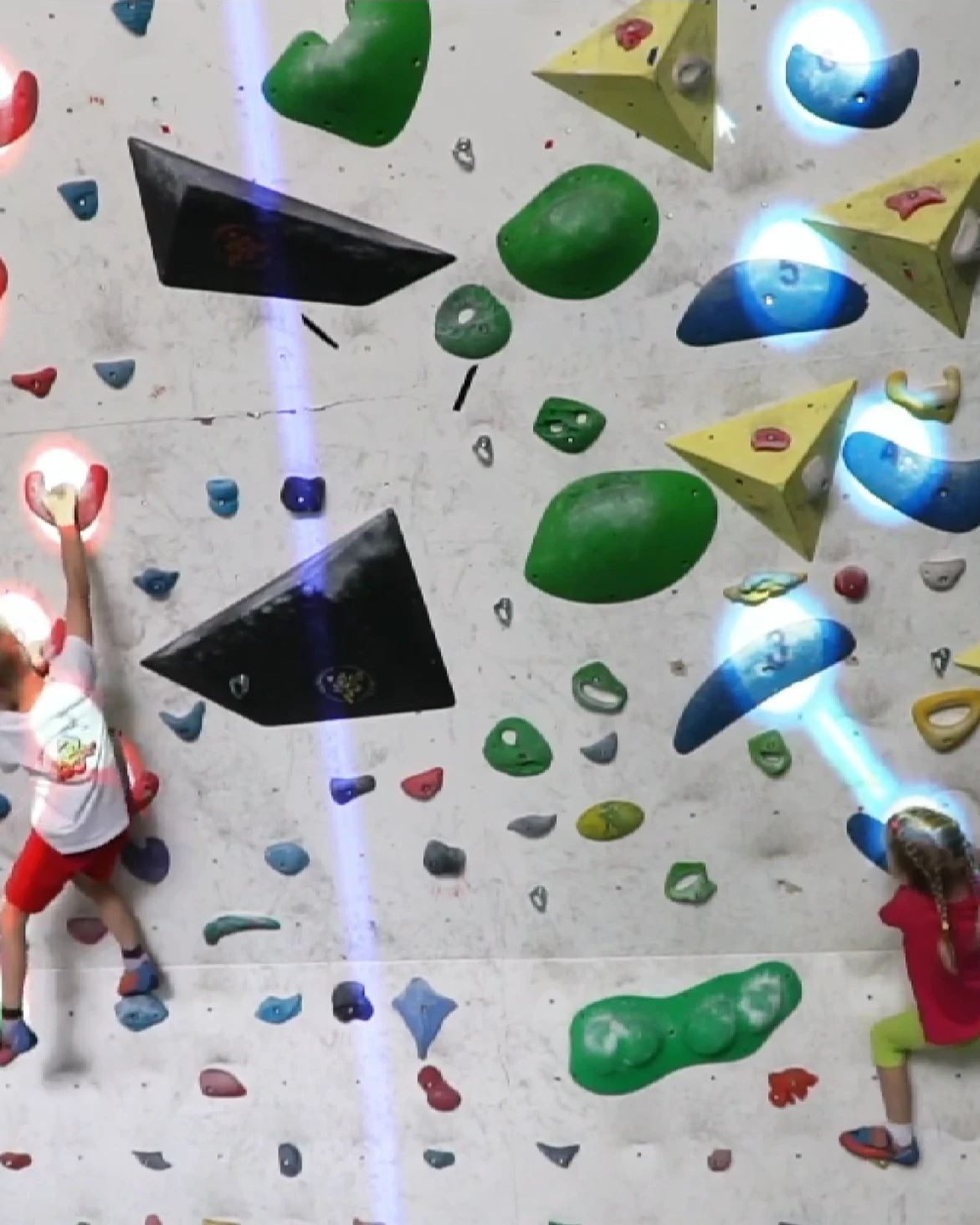
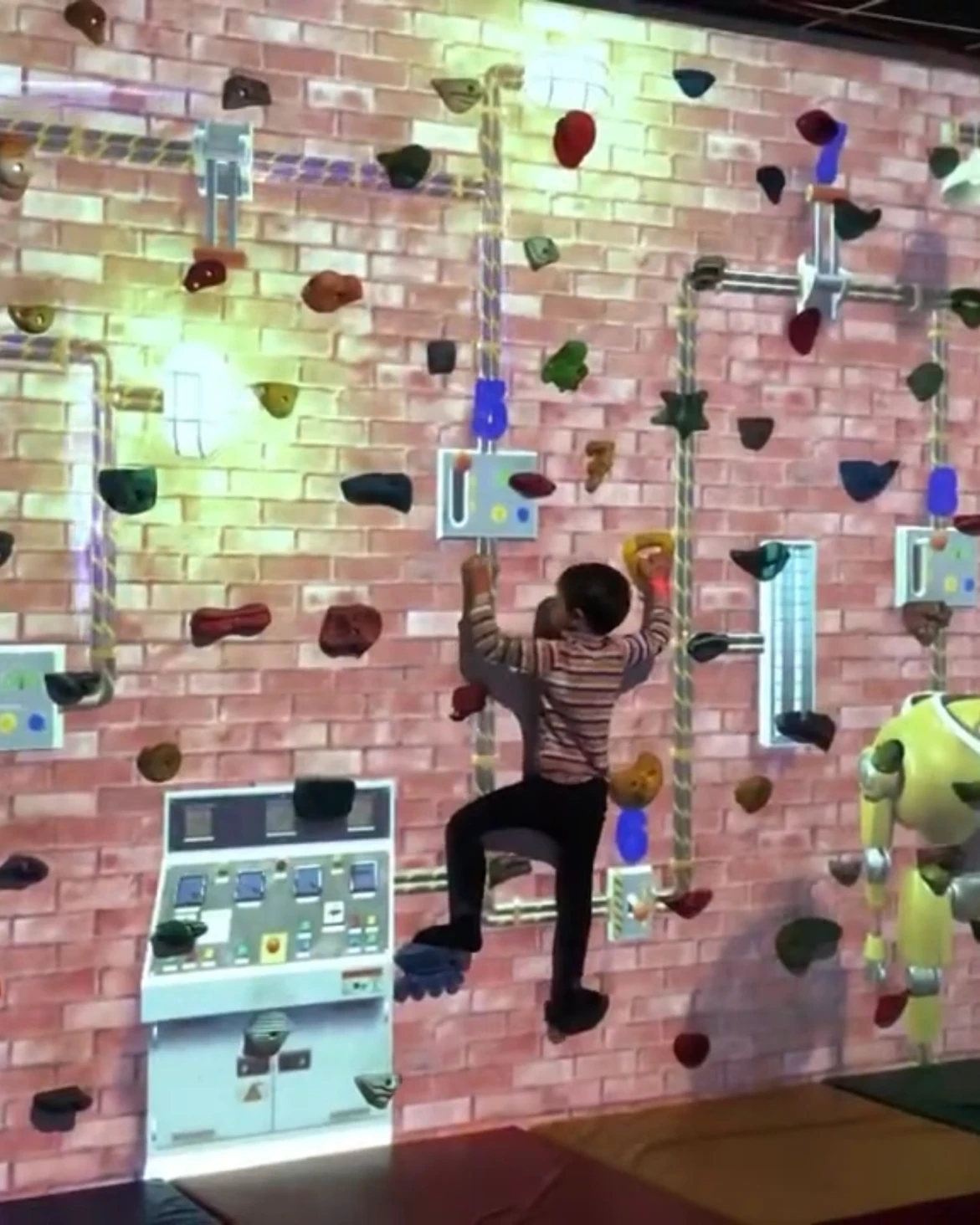
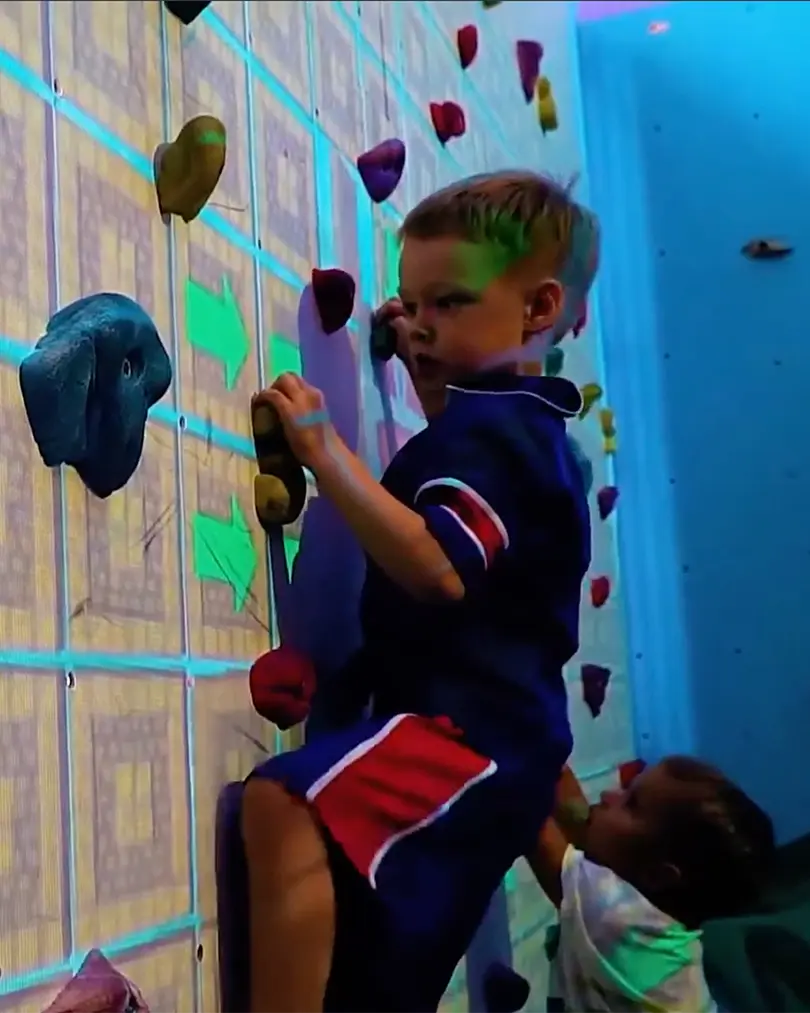
The NeuroLevel Sensory Climbing Wall combines projected visuals, motion detection, and purpose-built software with physical climbing exercises. As children move across the wall, the system responds to their actions with visual targets, routes, challenges, and educational tasks.
The solution helps educators and therapists create activities focused on motor planning, coordination, attention, problem-solving, body awareness, and active participation. It can be used during individual sessions, group activities, sensory breaks, physical education lessons, and movement-based learning programs.
The system is suitable for schools, special education programs, therapy centers, sensory rooms, hospitals, recreation facilities, and other organizations. It can be integrated with an existing compatible climbing wall or sensory climbing frame, or installed as a complete climbing system in a suitable space.
Who Can Use the Sensory Climbing Wall?
The system is designed for organizations that want to add structured visual activities to an existing climbing area or create a completely new climbing setup from the ground up.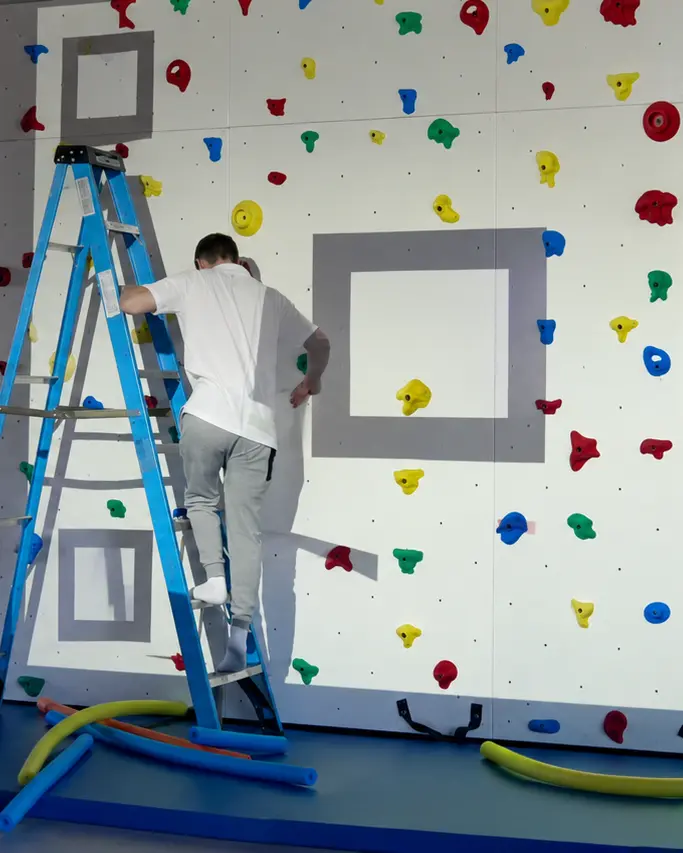
Choose the Right Sensory Climbing Wall Model
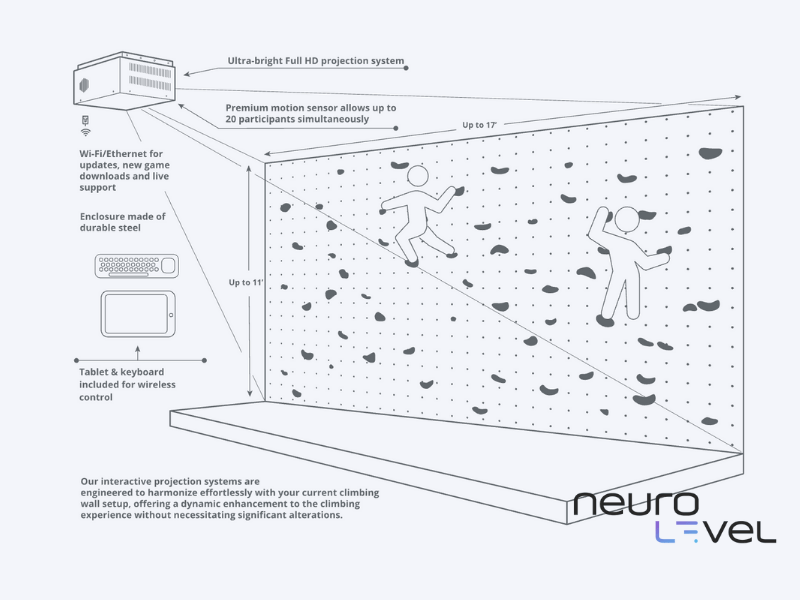
NeuroLevel offers two standard configurations for different room sizes and lighting conditions. The right configuration depends on the room’s lighting, wall dimensions, available projection distance, ceiling height, and the size of the required image.
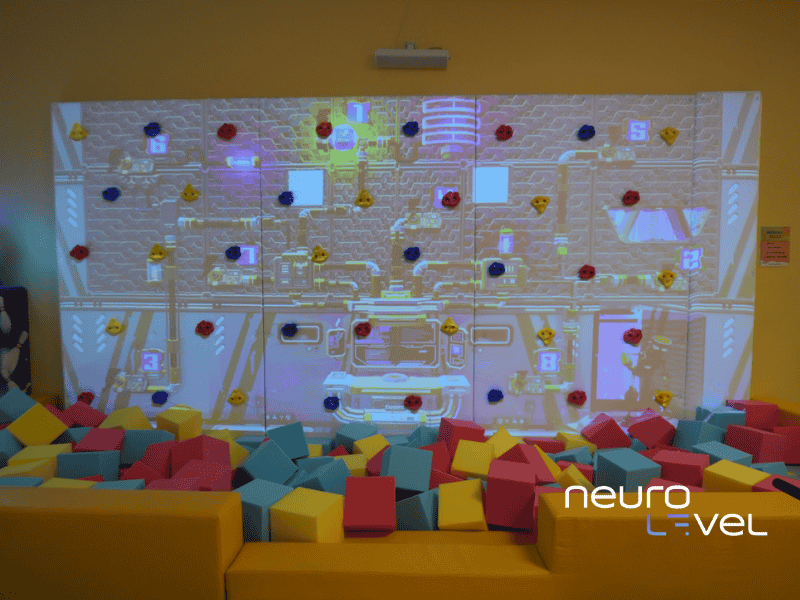

10 Activities

Dimly lit environments

Ceiling
10 Activities
Standard room lighting
Ceiling
Custom Systems for Non-Standard Spaces
If the standard configurations do not match your room, climbing surface, or installation requirements, NeuroLevel can develop a customized system for your facility.
A custom configuration may be appropriate when you have:
an unusually large or narrow climbing surface;
a non-standard room layout;
limited ceiling-mounting options;
specific projection coverage requirements;
challenging lighting conditions;
several activity zones within one room;
an existing sensory climbing frame that requires a customized installation assessment.
Share your room dimensions, photos, ceiling height, lighting conditions, and information about the existing climbing structure. Our team will evaluate the space and recommend a suitable configuration.
What Can Children Do on the Climbing Wall?
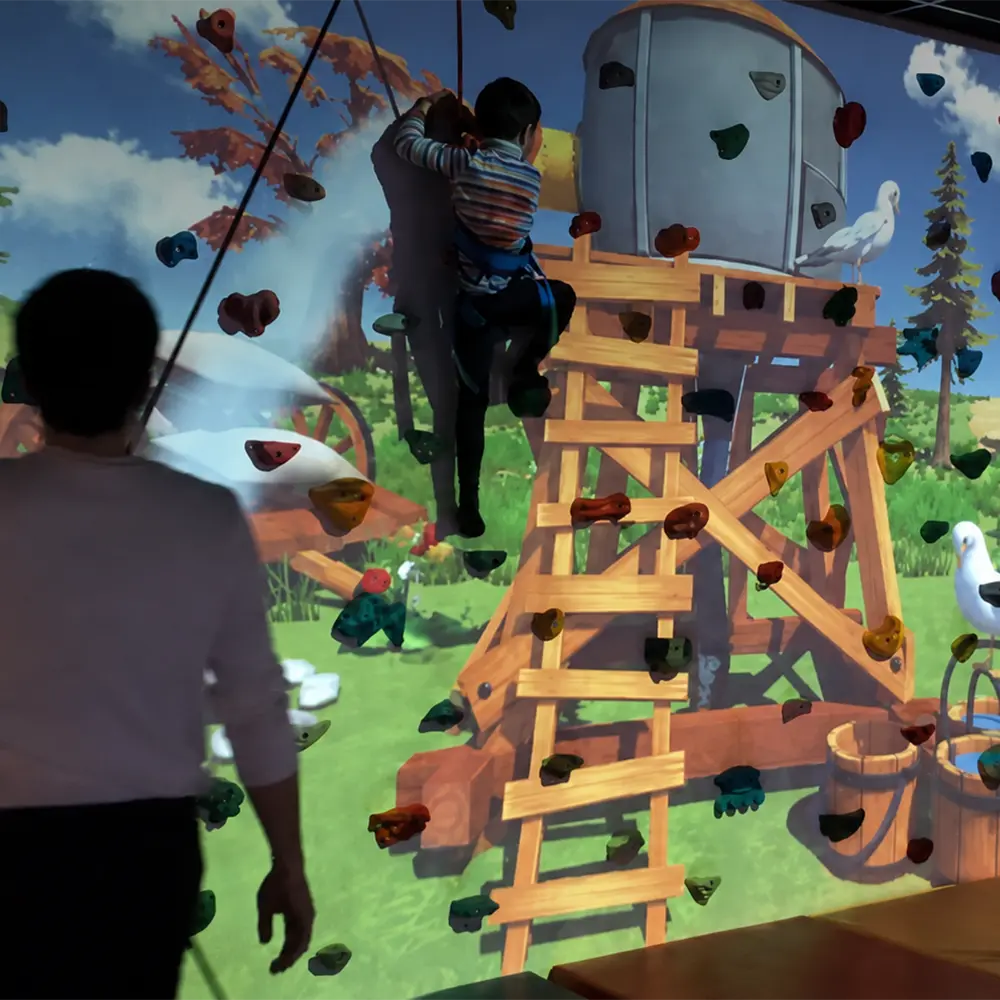
Activities can be incorporated into physical education lessons, occupational therapy sessions, sensory breaks, movement stations, special education programs, and supervised recreational activities.
reach illuminated targets;
follow a visual route;
identify colors, numbers, shapes, or symbols;
complete tasks in a specific sequence;
avoid visual obstacles;
collect virtual objects;
respond to changing prompts;
work toward an individual score;
cooperate with another participant;
take turns during guided sessions.
Activities can be incorporated into physical education lessons, occupational therapy sessions, sensory breaks, movement stations, special education programs, and supervised recreational activities.
Educators and therapists can select tasks according to the participant’s abilities, attention span, movement skills, and the goals of each session.
Benefits of a Sensory Climbing Wall
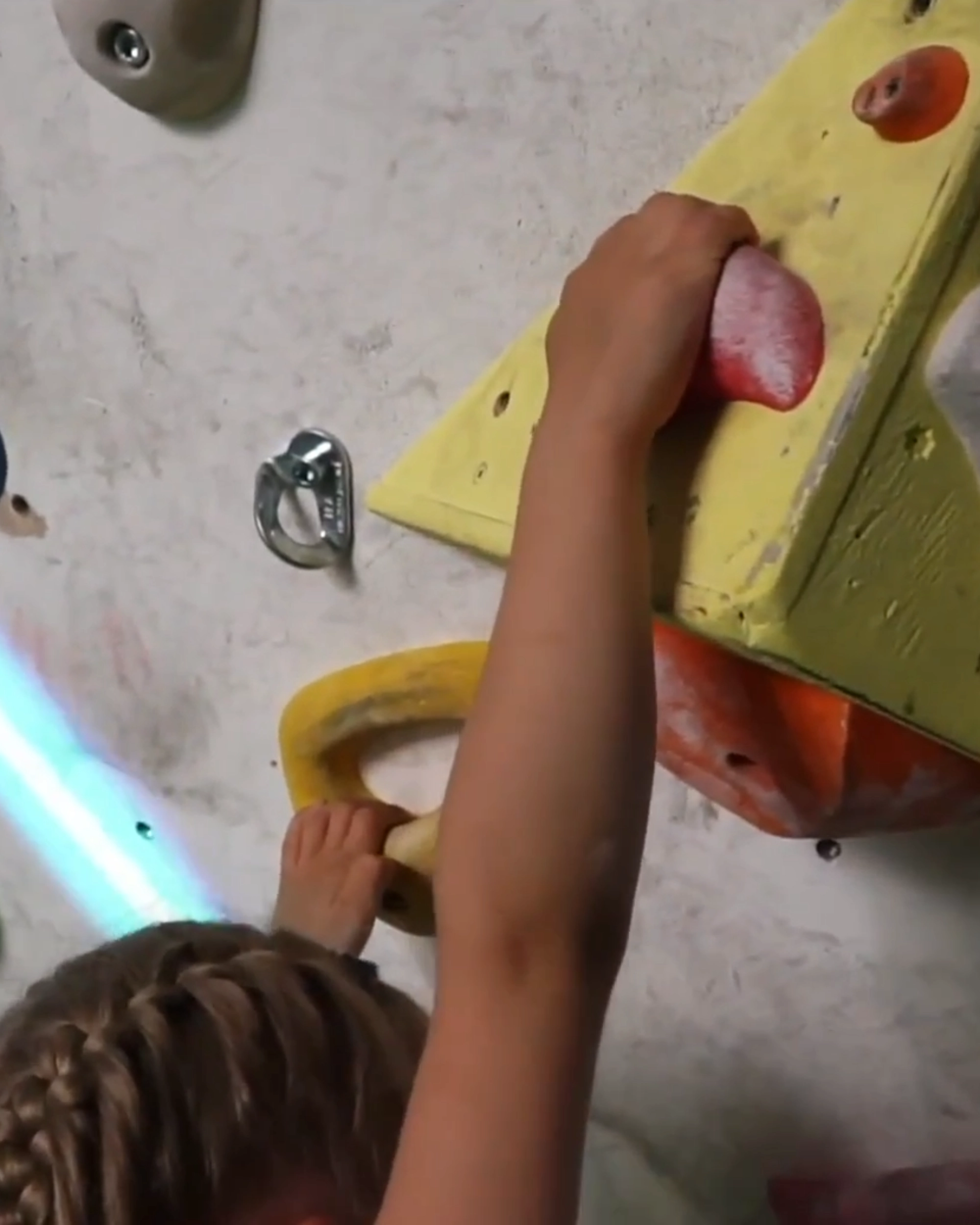
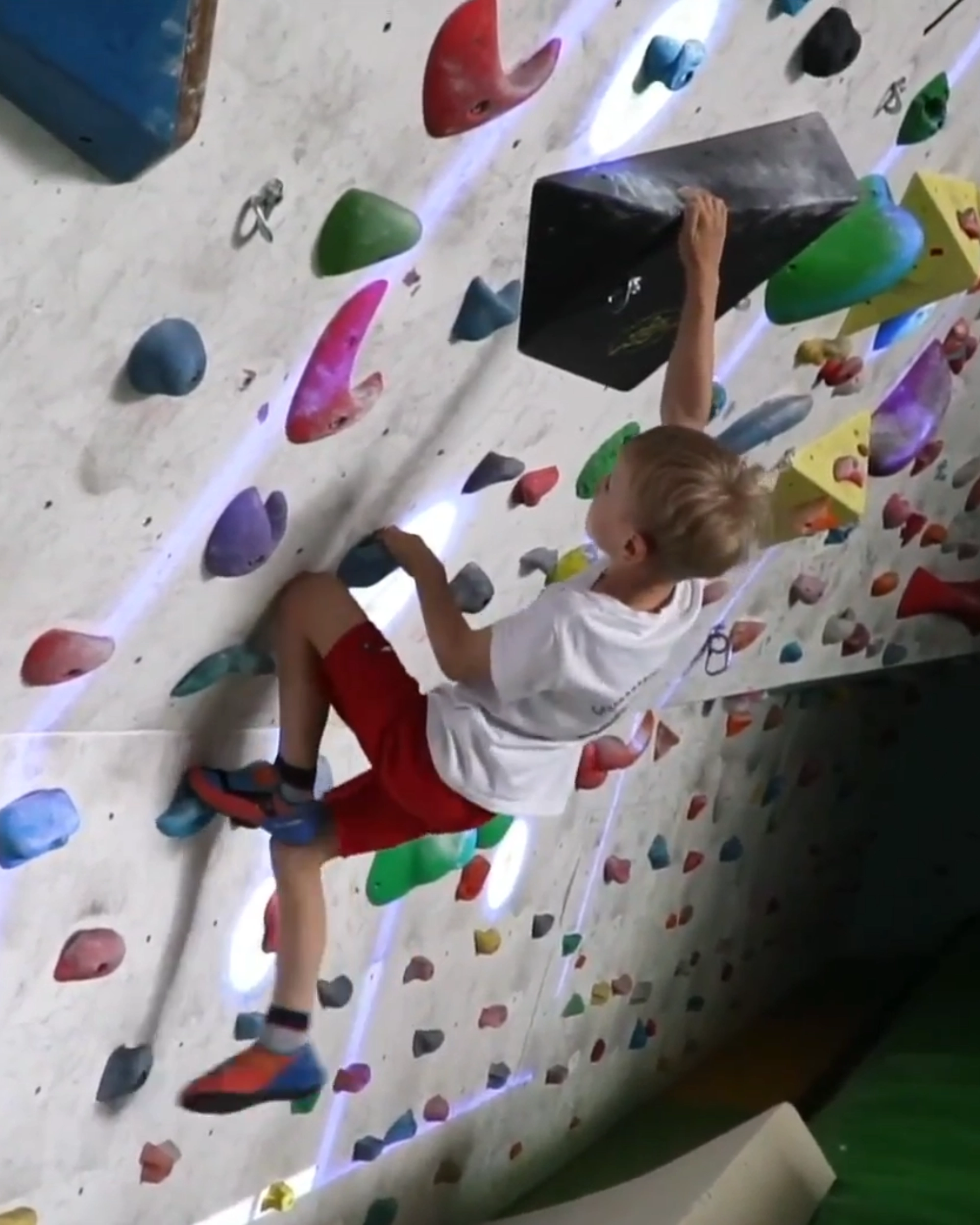
A sensory climbing wall connects purposeful physical movement with visual feedback. Instead of climbing without a defined task, children follow routes, locate targets, make decisions, and respond to changing challenges.This format allows educators and therapists to address several developmental, educational, and movement-related goals through a single activity.


How Does the Sensory Climbing Wall Work?
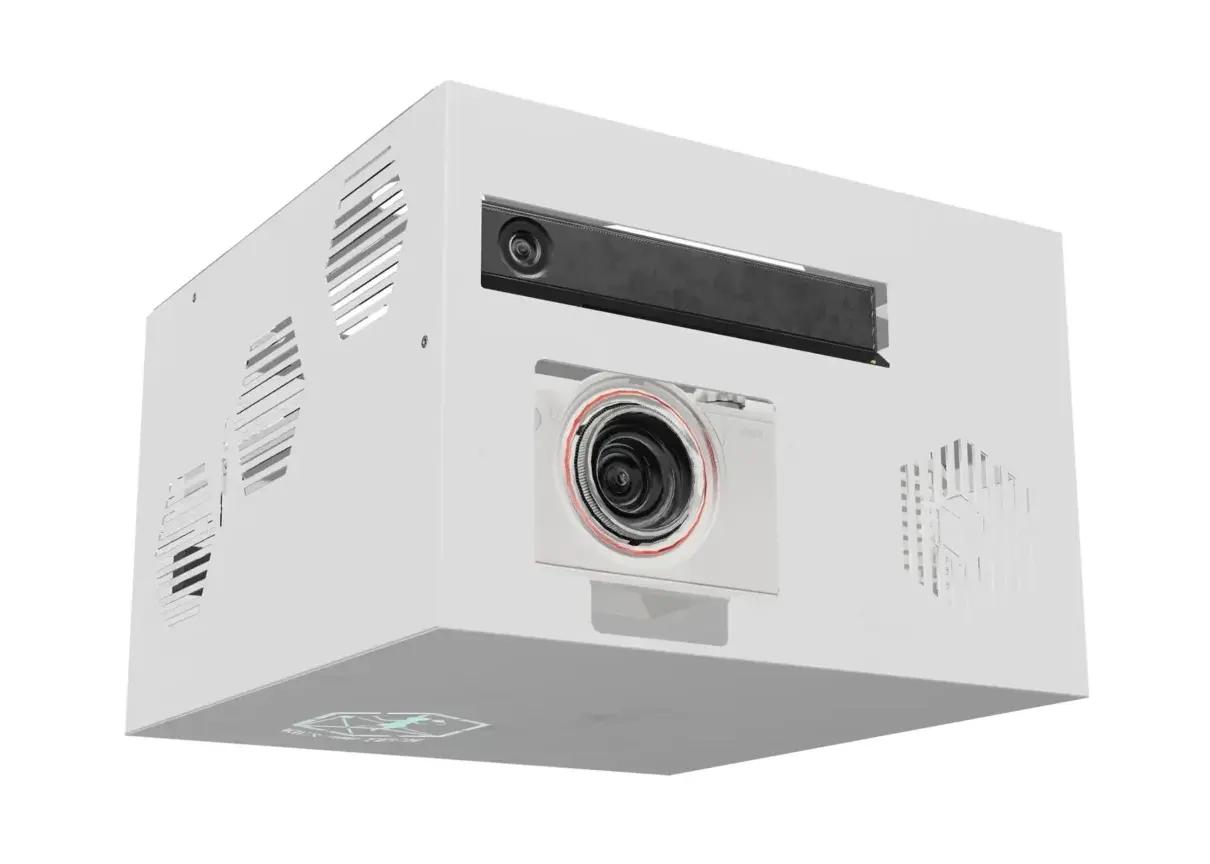
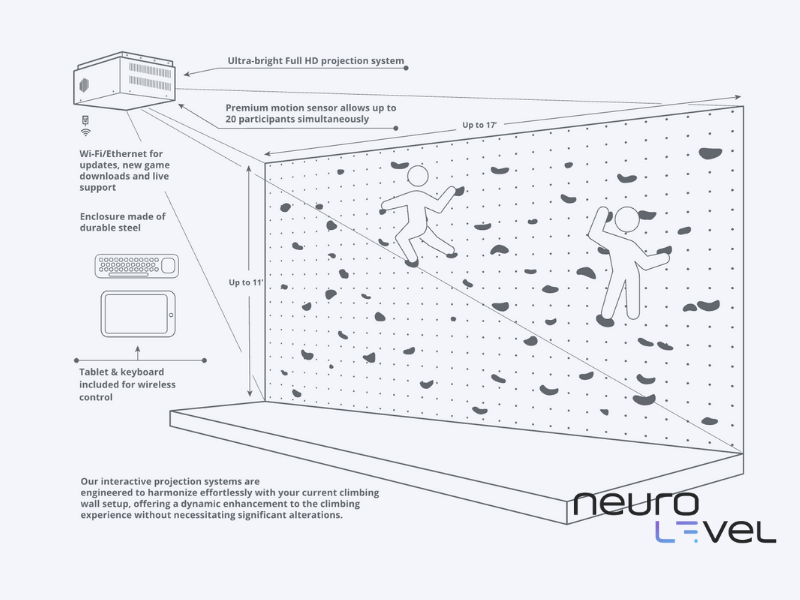
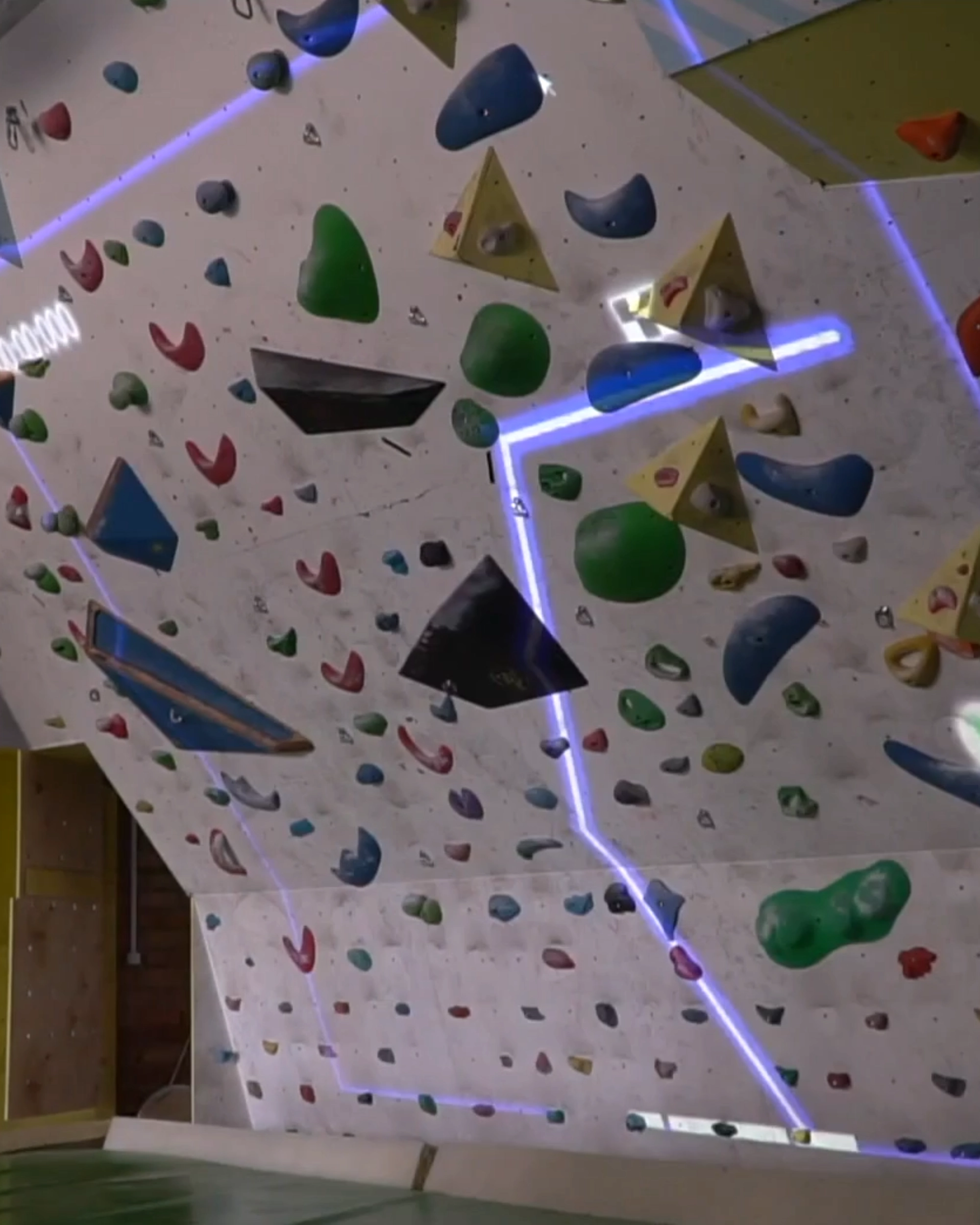
- The Projector Displays the Activity
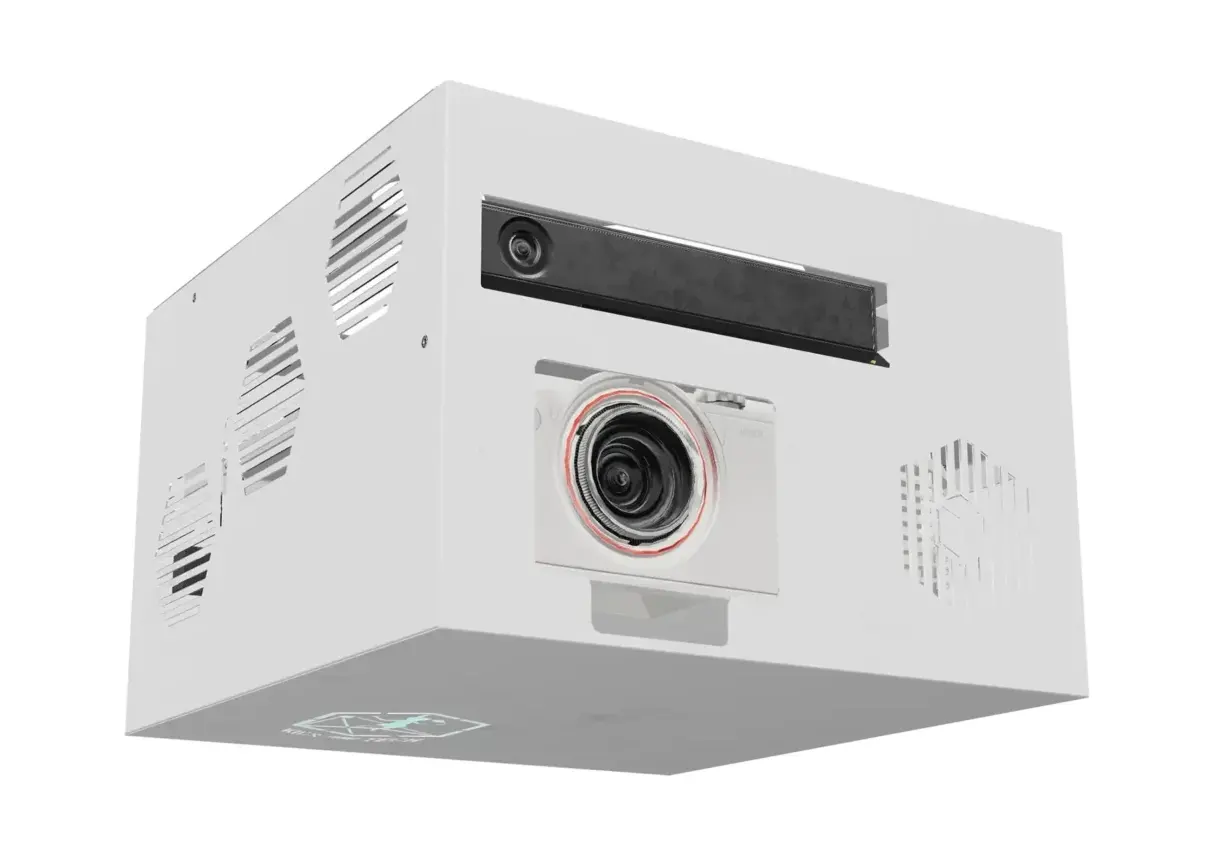
Visual targets, routes, objects, and tasks are projected directly onto the existing climbing surface. - Sensors Detect the Participant’s Actions
The motion-detection system identifies touches and other contact points within the active projection area. - The Software Responds to Each Action
When the participant reaches a target or completes a task, the visual scene changes and the activity continues. - The Educator or Therapist Guides the Session
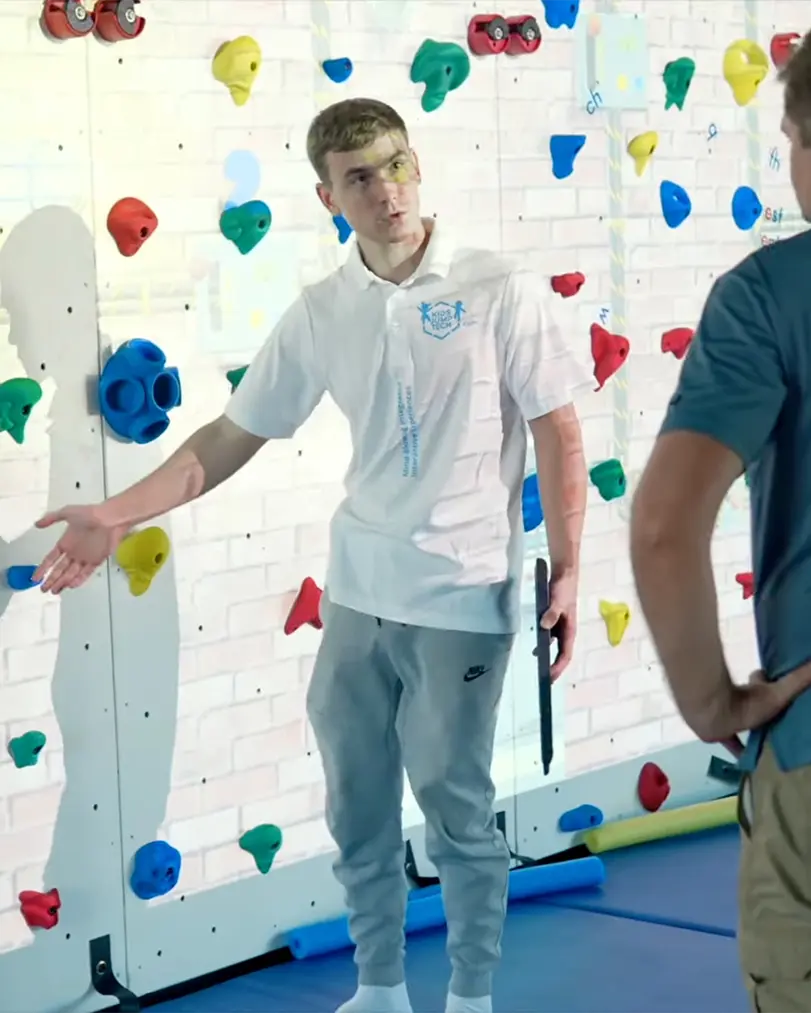
A qualified adult selects the activity, explains the task, supervises the participant, and adapts the challenge to the intended movement, learning, or sensory goals.
This process creates a responsive climbing environment without requiring digital screens or electronic components to be installed directly on the climbing surface.

Inner ear
Internal
Hearing
Sight
Body awareness
Touch
Installation Requirements
Before selecting a system, the NeuroLevel team will need information about the room and the existing climbing structure.
Please provide:
climbing wall width and height;
room length and ceiling height;
photos or a video of the installation area;
available distance between the projector and the climbing surface;
information about windows and ambient lighting;
location of electrical outlets;
information about the ceiling construction;
details of the existing climbing wall or sensory climbing frame;
information about the protective mats and surrounding fall zone.
The projector must be ceiling-mounted at least 3 feet from the climbing surface. Final equipment placement depends on the required projection size, room geometry, ceiling height, lighting conditions, and the selected system configuration.
The customer is responsible for ensuring that the physical climbing structure, holds, mats, wall construction, and structural mounting points are suitable for the intended use.
Safety and Supervision
The digital system is designed to complement a properly equipped and professionally installed climbing area. It does not replace the physical safety requirements associated with climbing equipment.
Before each session:
inspect the climbing structure and holds;
check that protective mats are correctly positioned;
keep the fall zone clear;
select activities appropriate for the participant’s age and abilities;
explain the climbing and waiting rules;
provide continuous adult supervision;
follow the climbing equipment manufacturer’s instructions;
comply with applicable facility and safety requirements.
Only one participant should climb within a defined activity area unless the selected activity, available space, and supervision procedures support safe partner or group use.
The system should only be used with a structurally suitable climbing surface and appropriate impact-absorbing protection.
Why Choose NeuroLevel?
[ 01 ]
Made in the USA
NeuroLevel systems are manufactured in the United States.
[ 02 ]
Purpose-Built Climbing Activities
The included software is designed specifically for movement-based climbing tasks rather than being adapted from conventional screen-based entertainment.
[ 03 ]
Configurations for Different Lighting Conditions
Choose between a 3,000-lumen and 5,000-lumen system according to the room environment.
[ 04 ]
Suitable for Existing Climbing Areas
Facilities that already have a compatible climbing wall may add responsive visual activities without purchasing an entirely new physical climbing structure.
[ 05 ]
Support During Model Selection
Our team reviews room dimensions, lighting, ceiling height, projection distance, and image coverage before recommending a standard or custom configuration.
[ 06 ]
Training and Technical Support
Your team receives guidance on system operation, activity selection, setup, and basic troubleshooting.
Reviews
NeuroLevel, a Kids Jump Tech project, partners with educators, therapists, and parents to enhance therapeutic and educational outcomes for individuals with special needs







Build a Complete Sensory Room with NeuroLevel
FAQ
Is a Physical Climbing Wall Included?
Can the System Be Installed on a Sensory Climbing Frame?
What Is the Difference Between the Two Models?
How Large Is the Projected Area?
How Many Activities Are Included?
Can the System Be Used During Therapy Sessions?
The system is an activity and training tool. It is not a medical treatment and does not guarantee a specific therapeutic result.