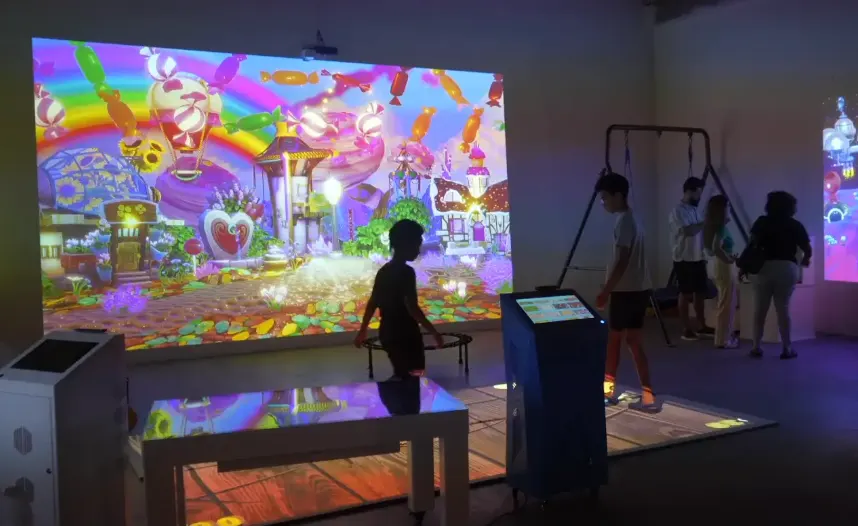

Interactive Wall Projector for Schools, Therapy, and Active Play

iw-1
  • 90+ games Educational & therapeutic
  • Motion tracking Reacts in real time
  • Therapist-approved Built with specialists
  • Ceiling or mobile Fits different rooms
  • Made in USA American product
  • 2–5 years warranty Depending on model

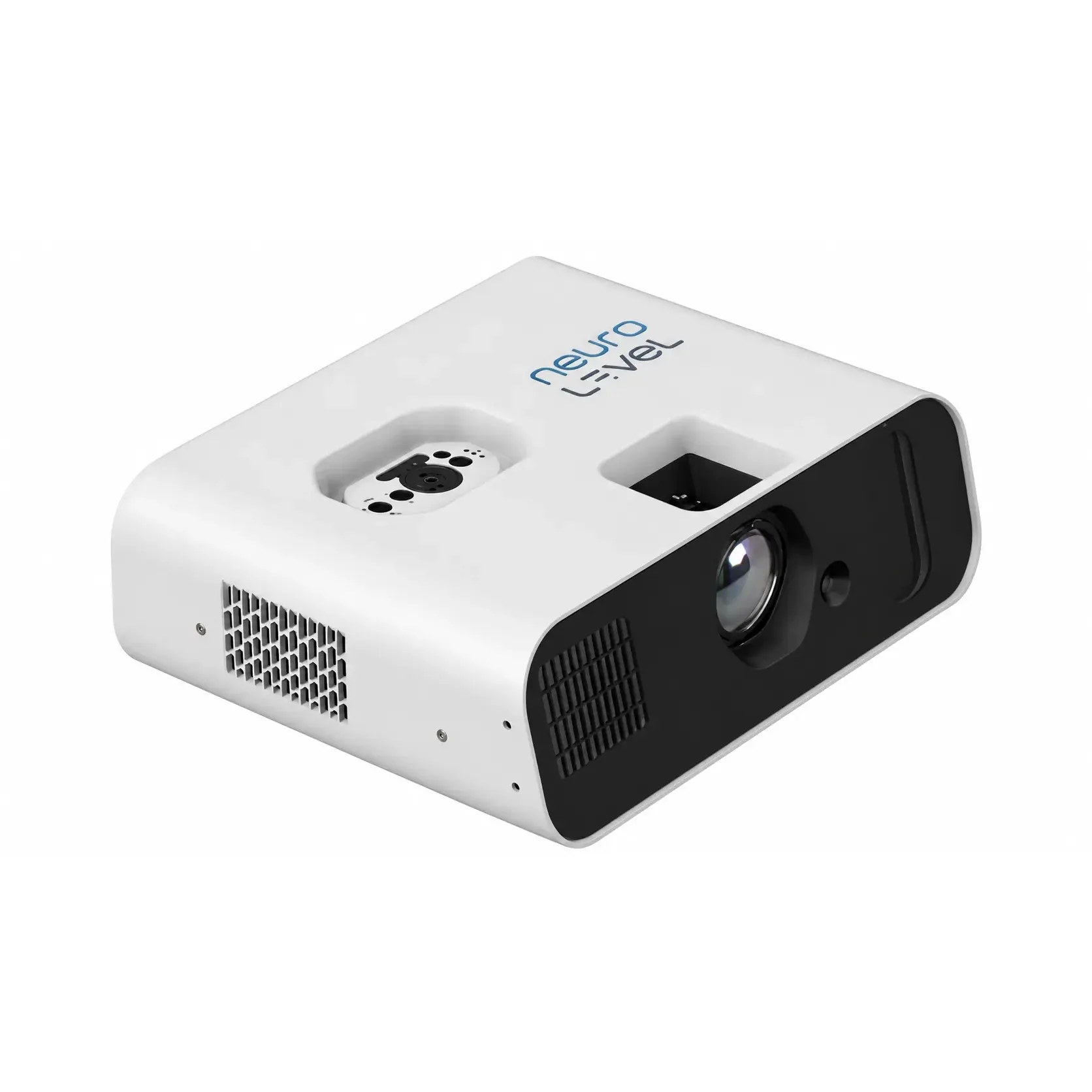
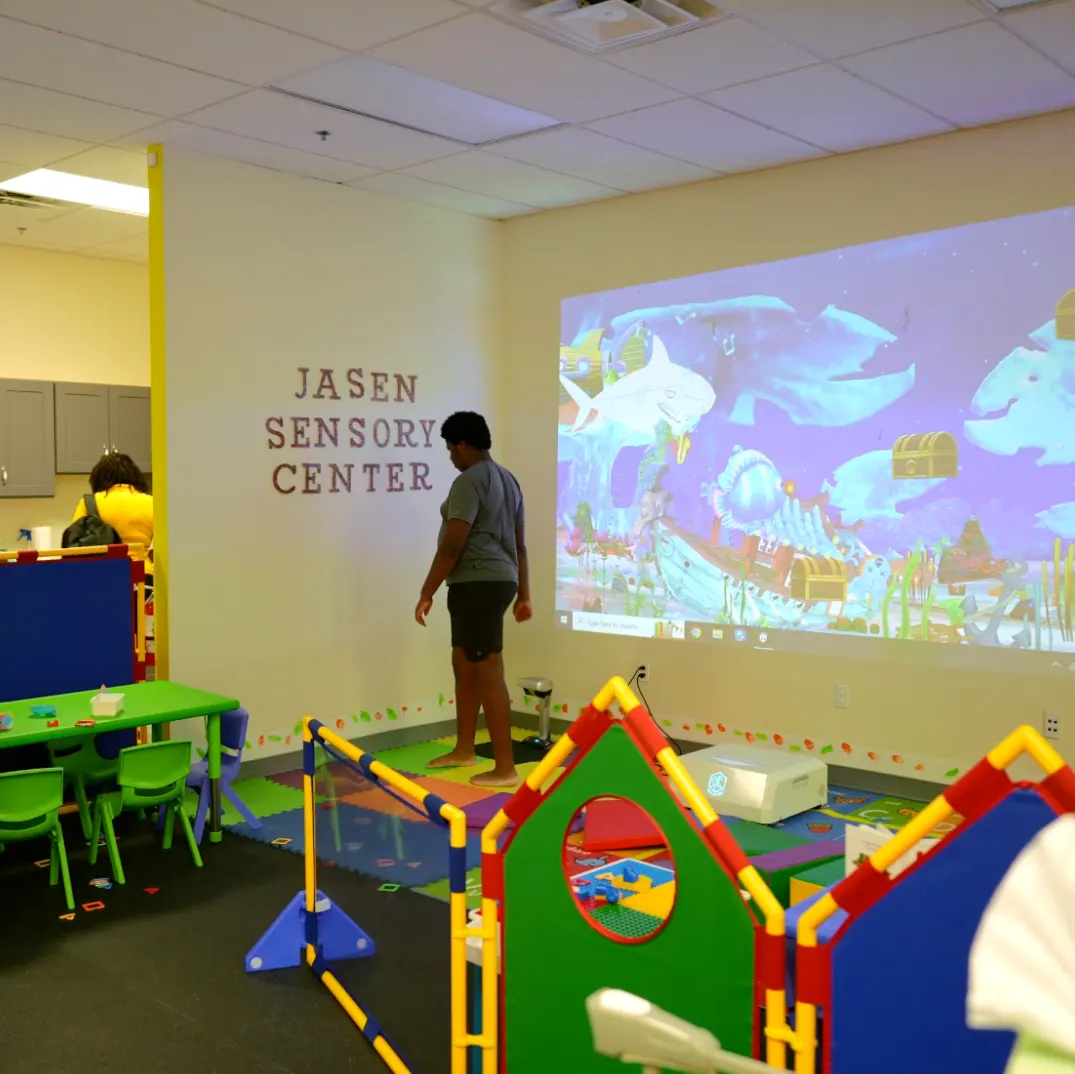
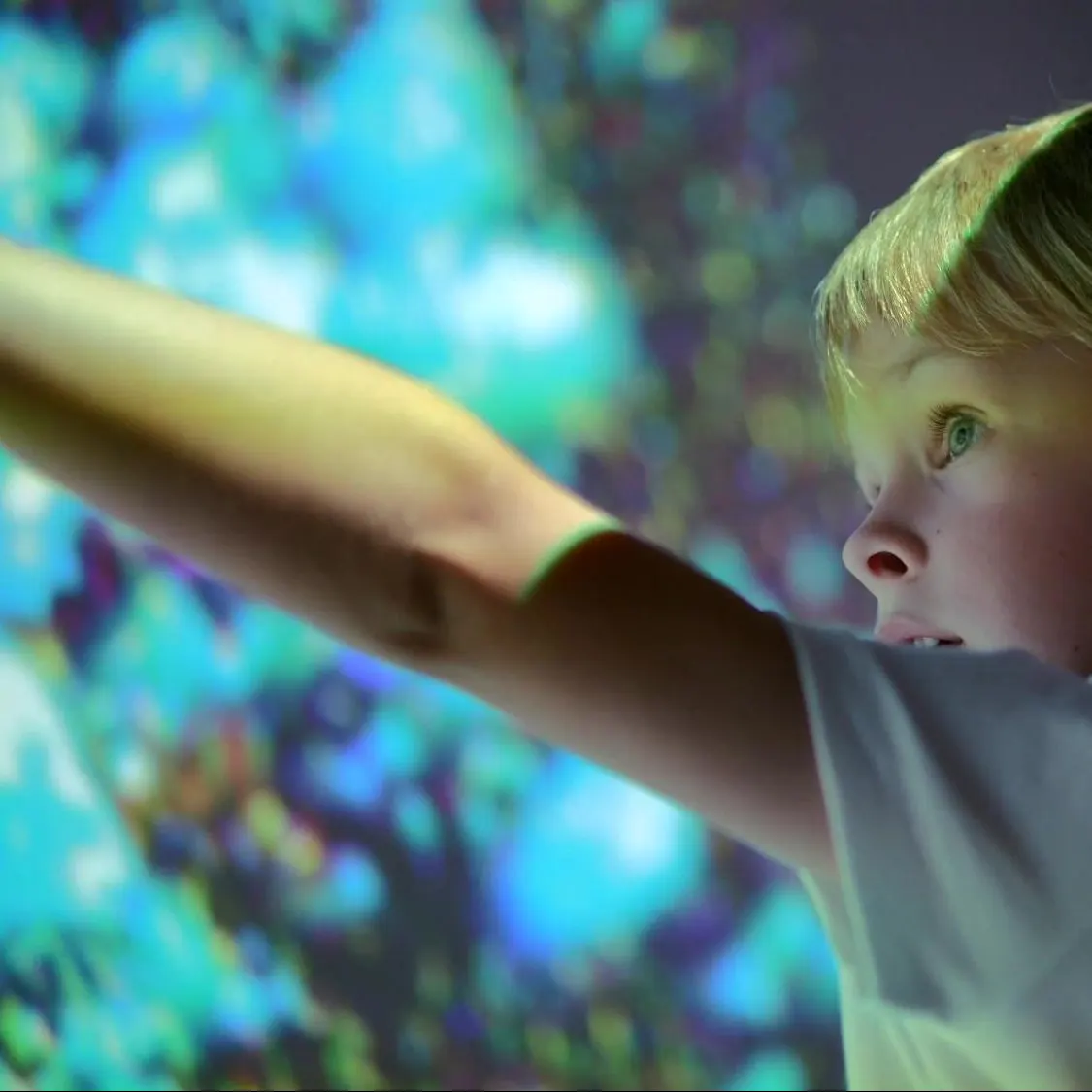
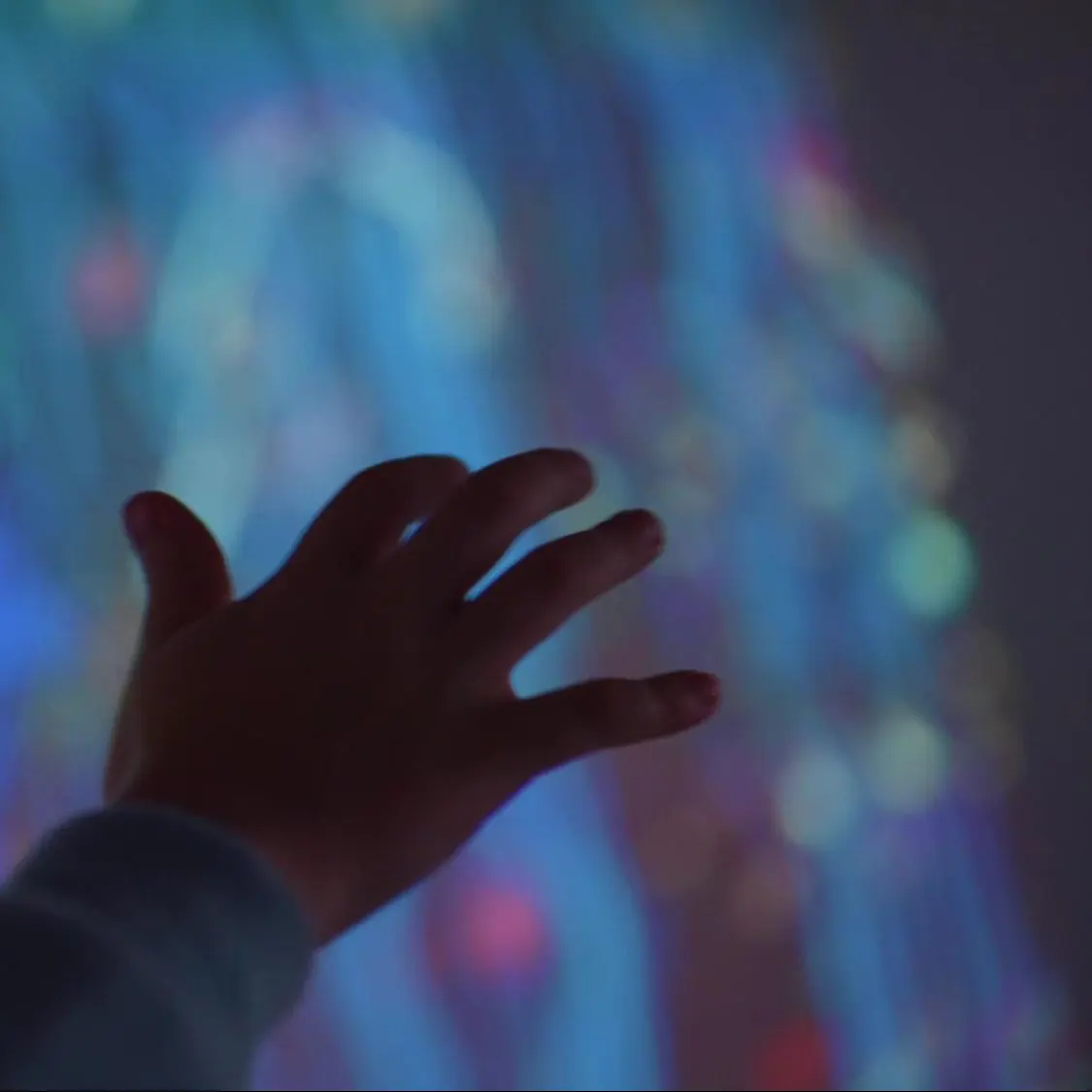
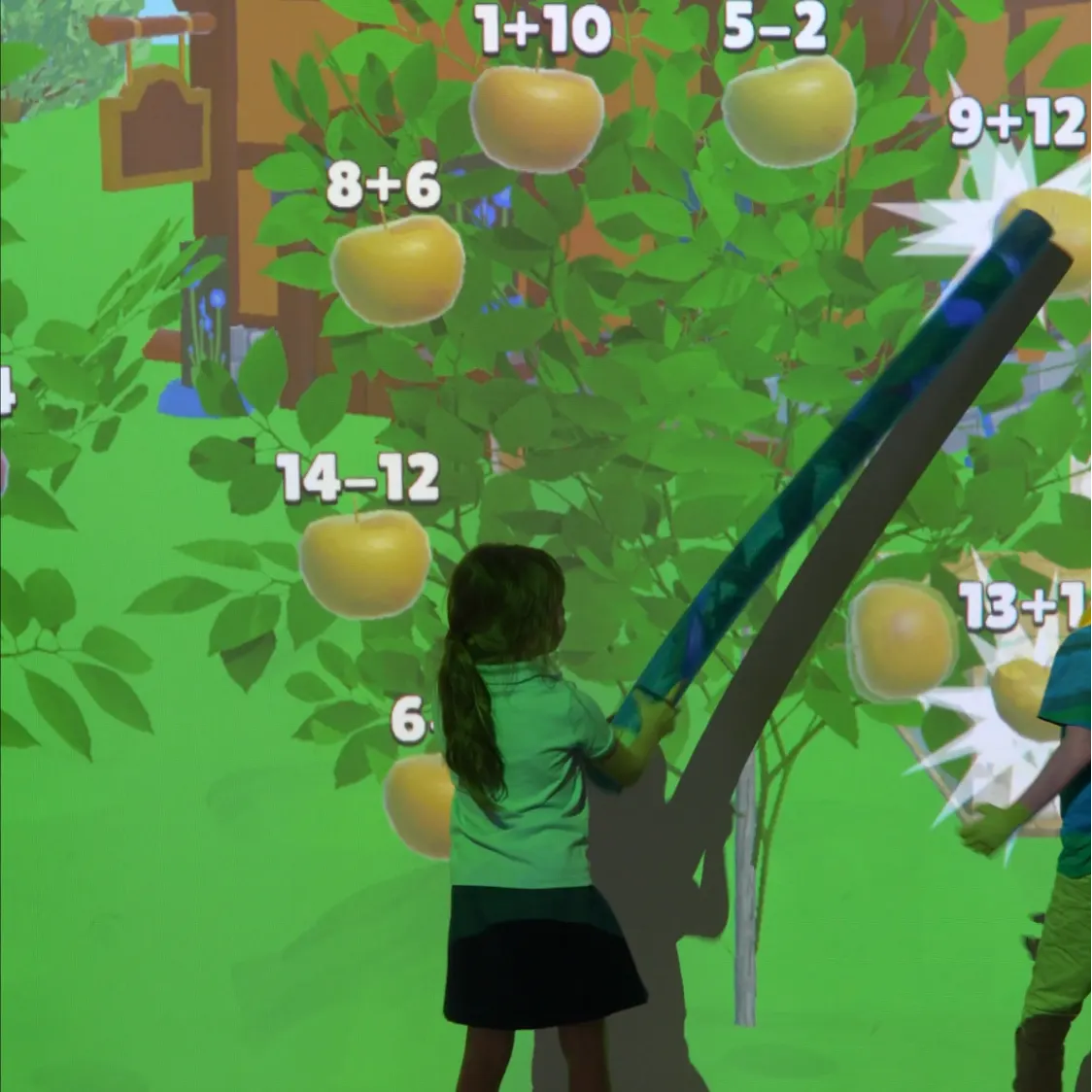
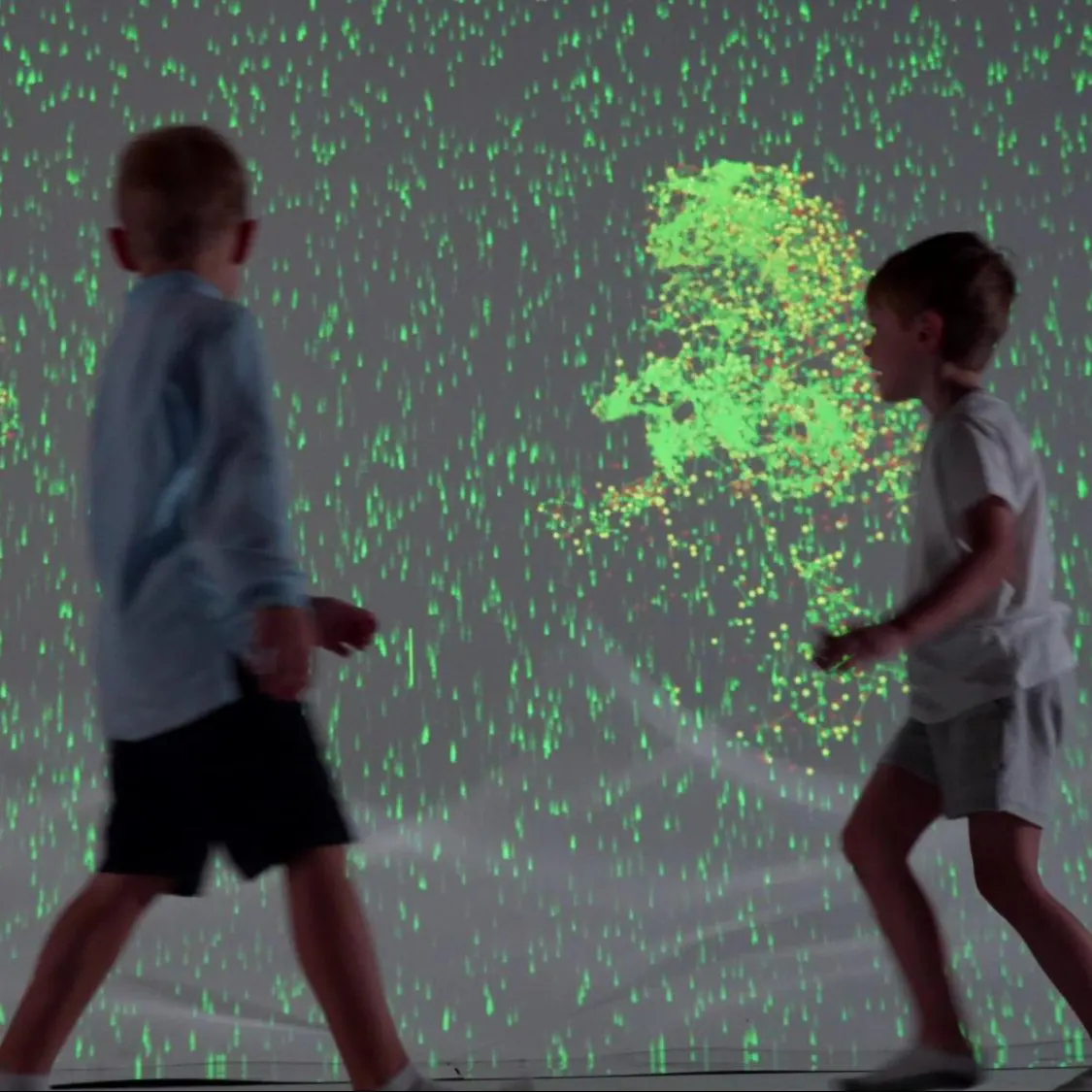
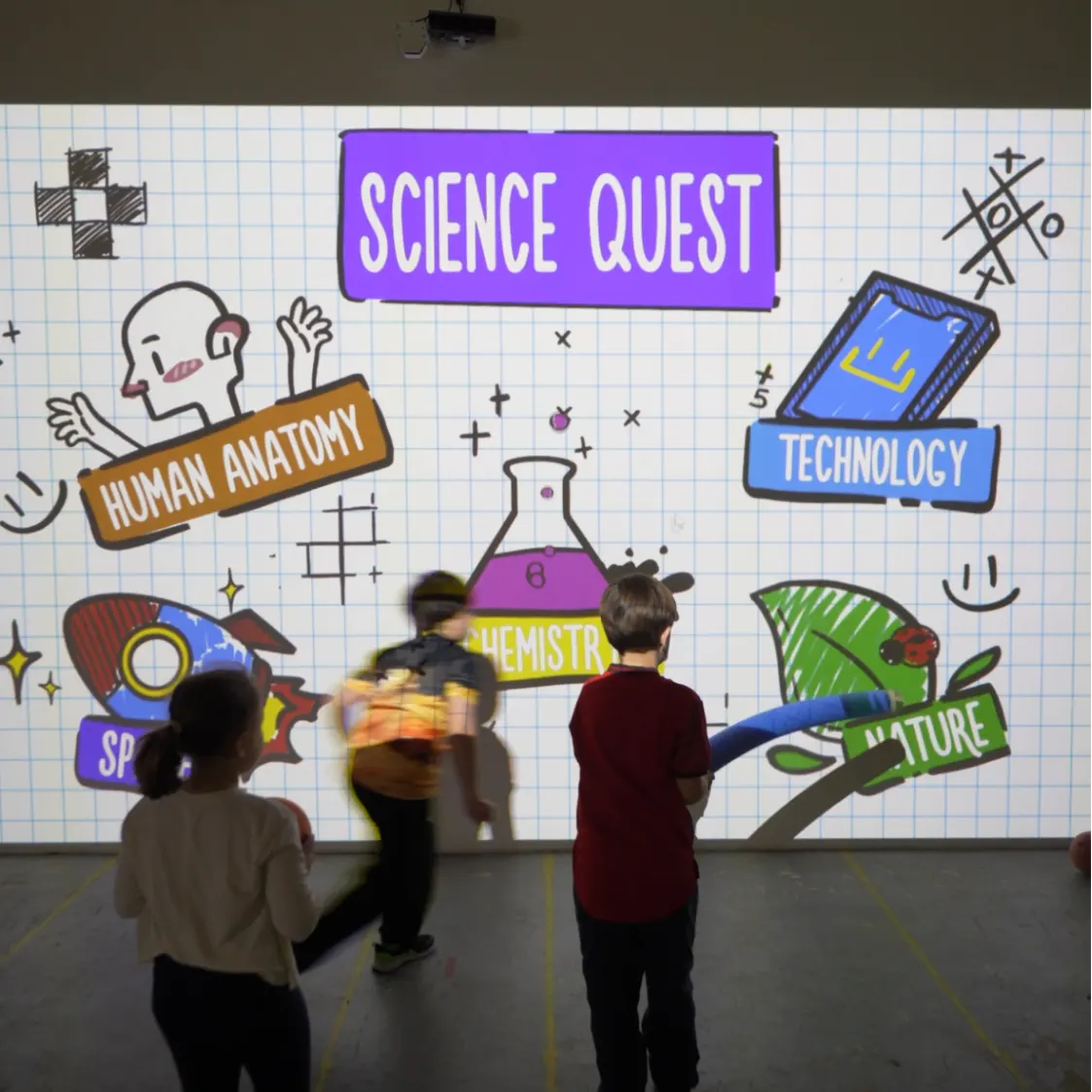
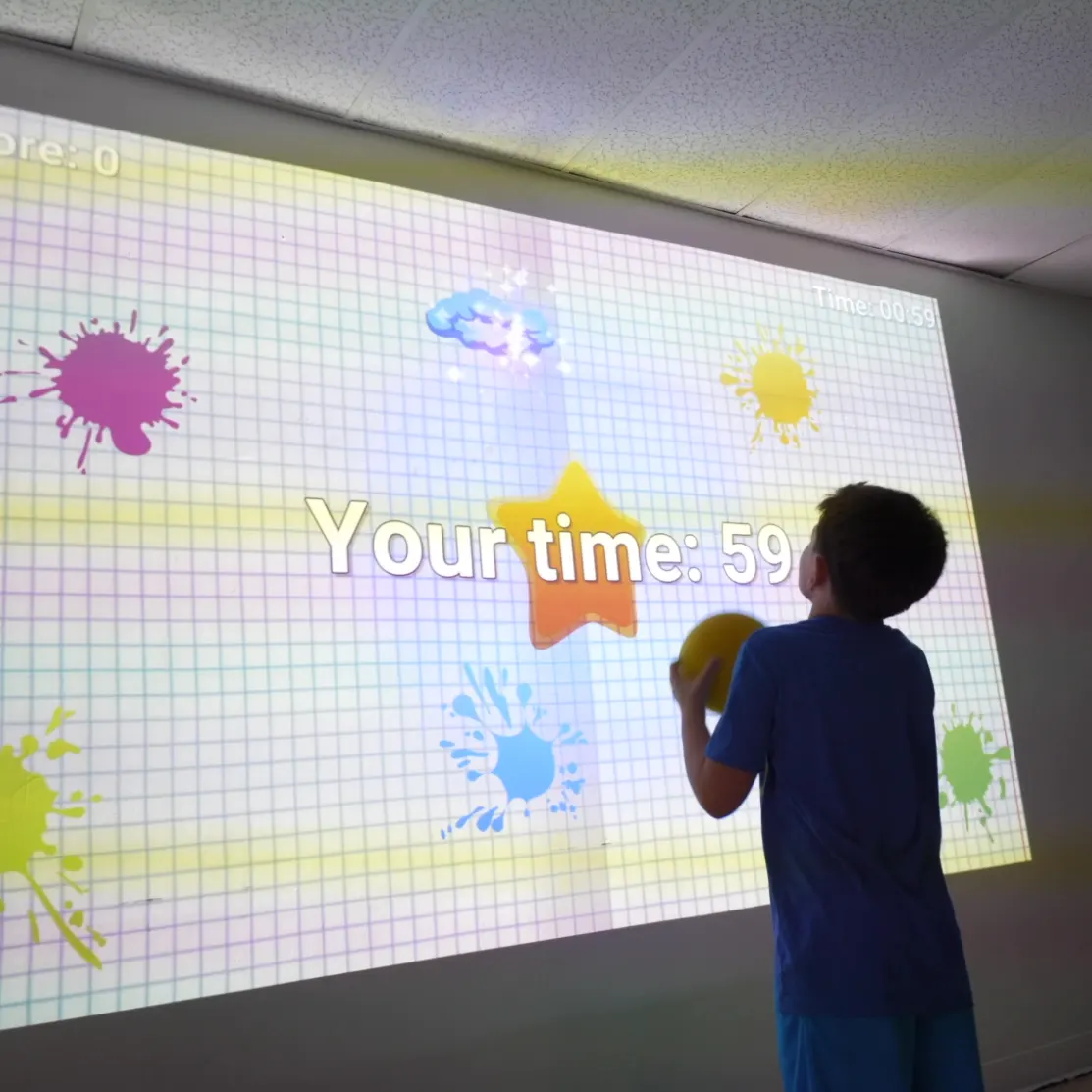
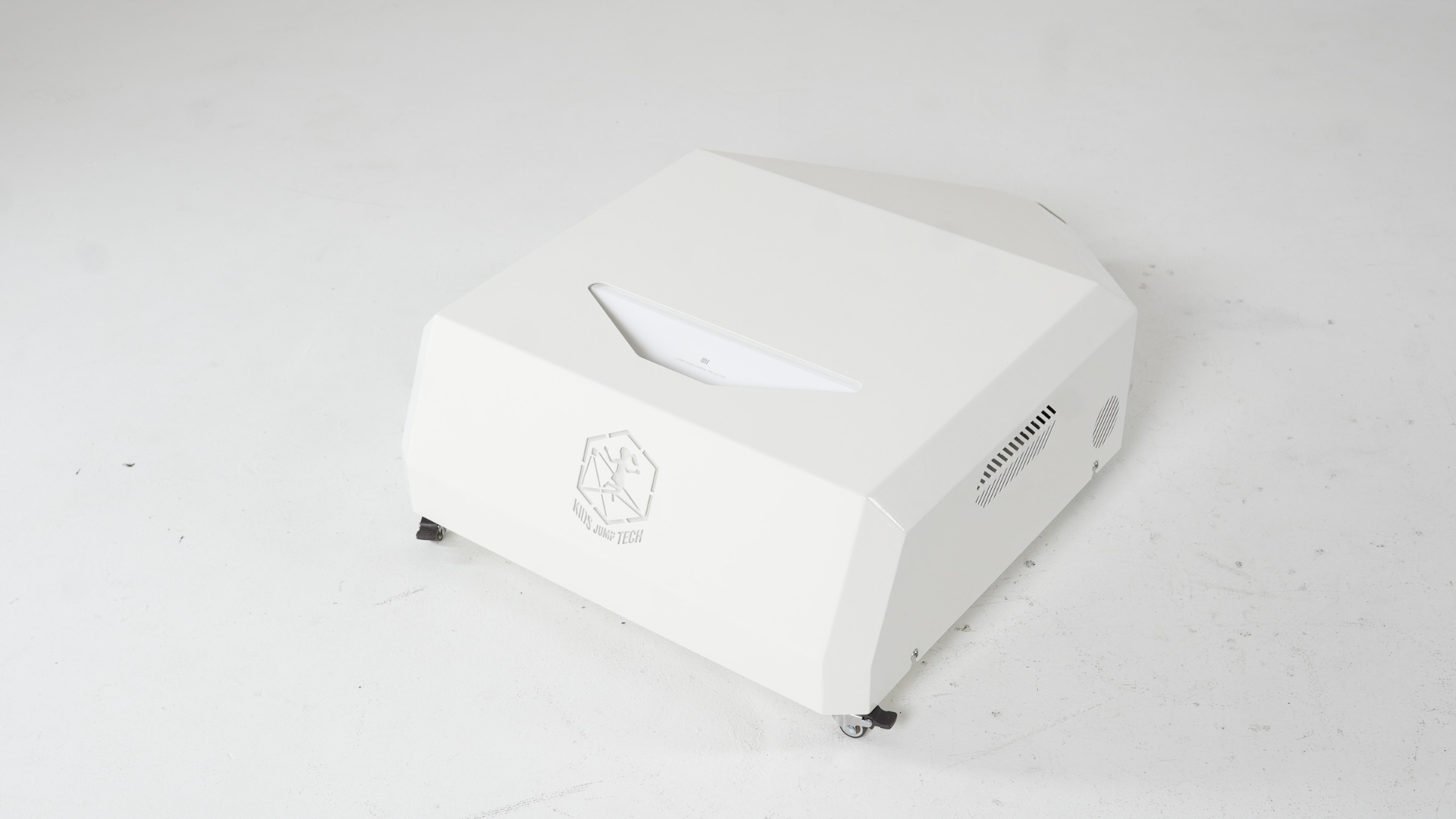
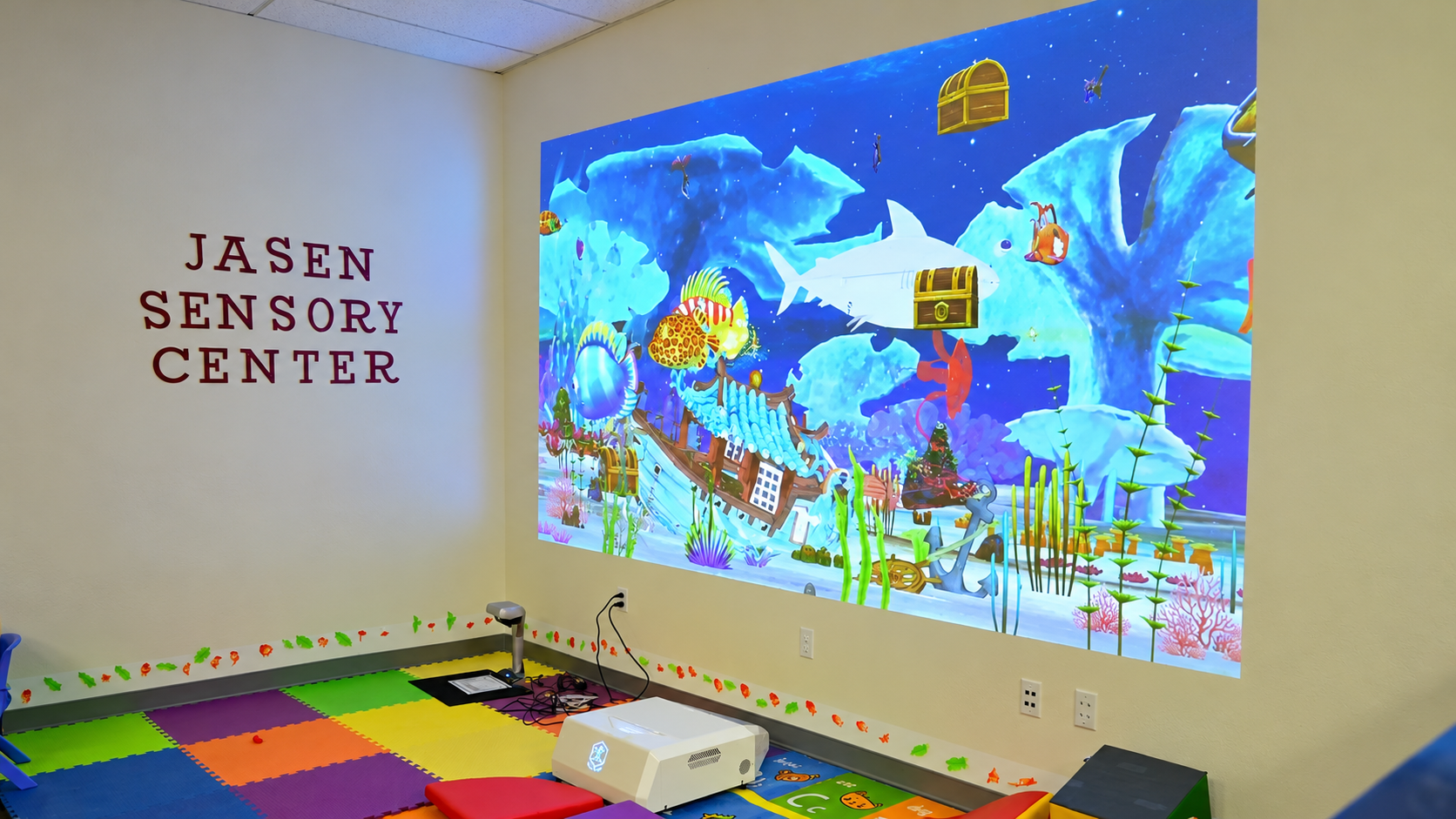
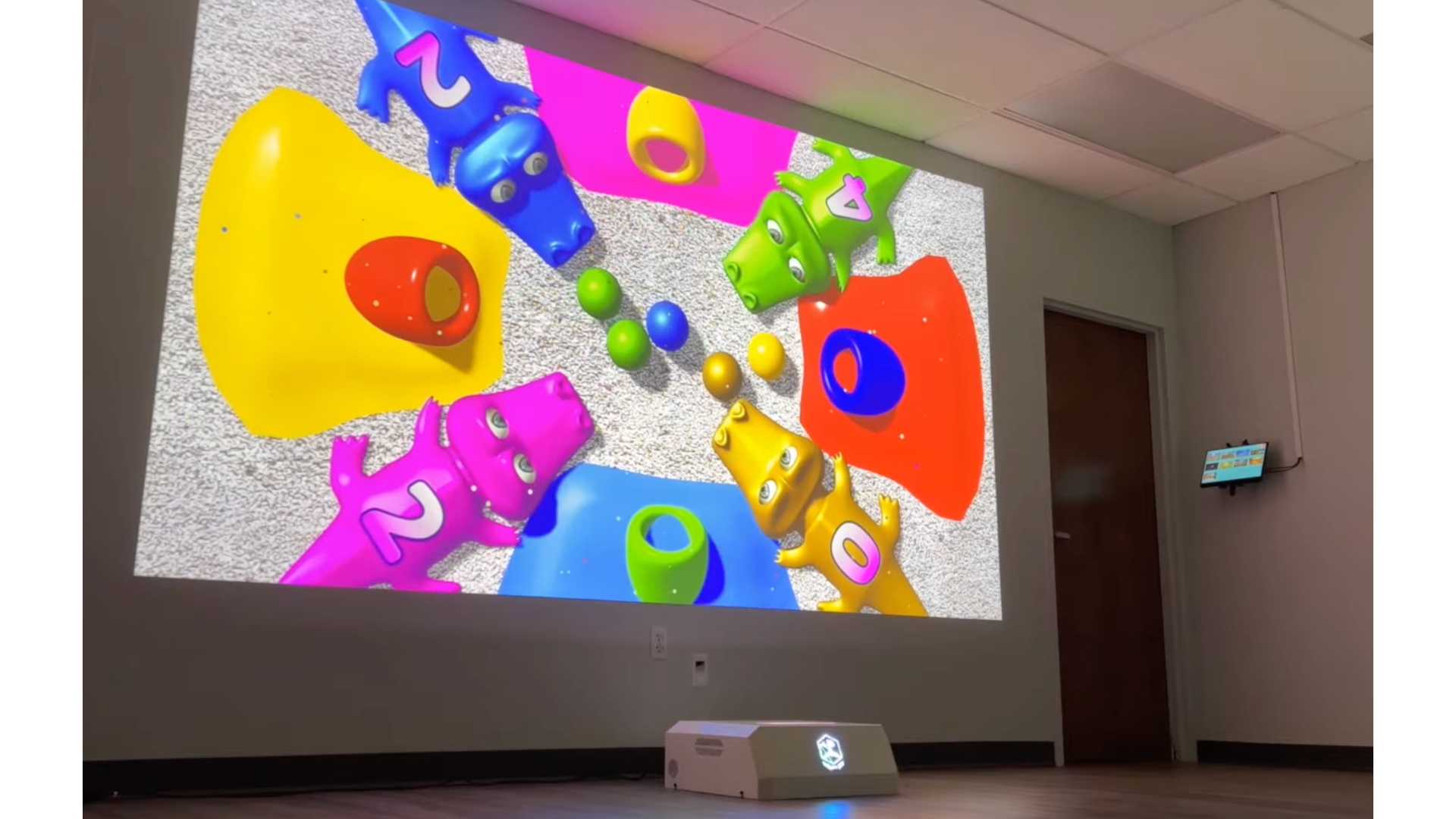
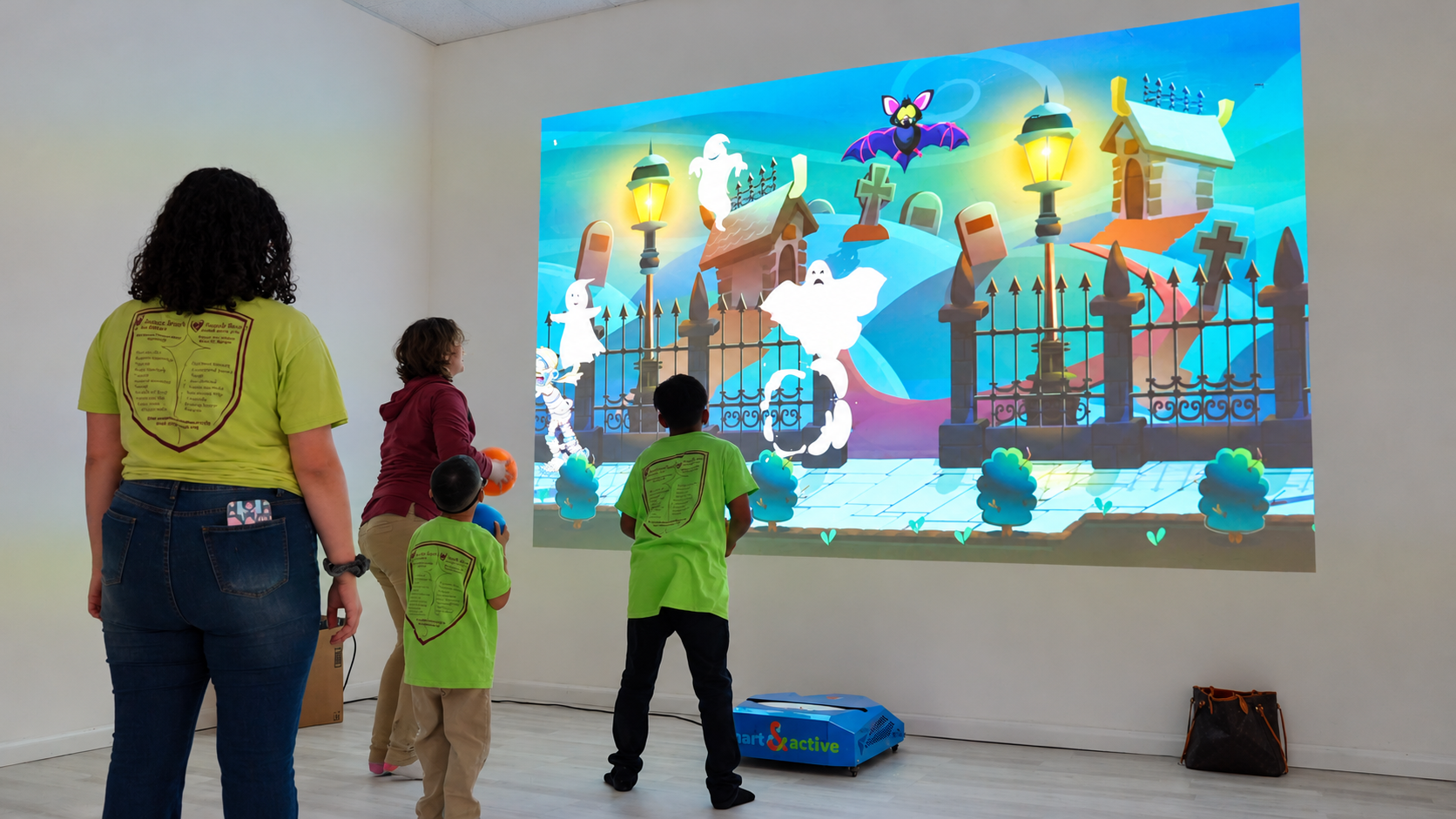
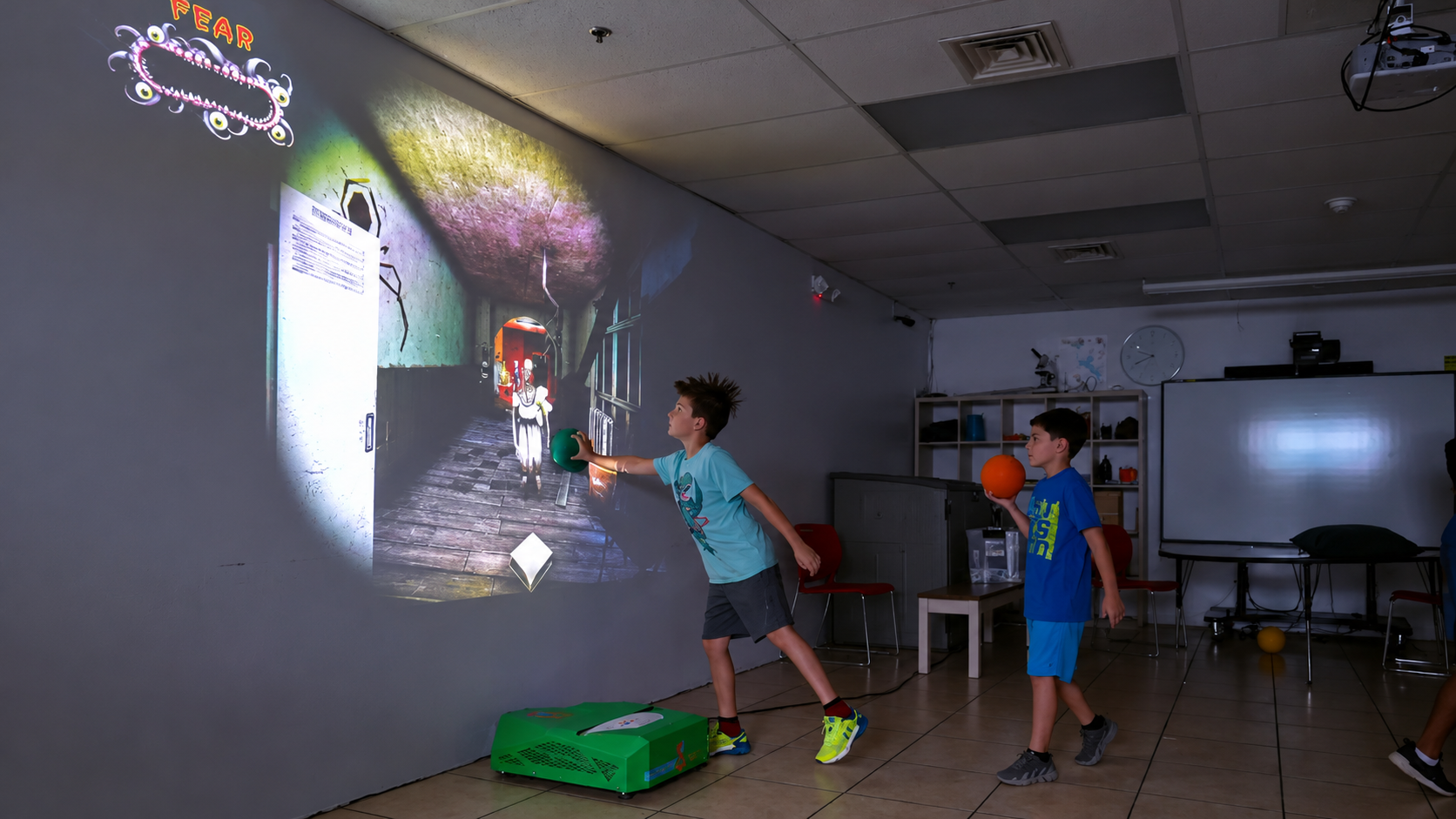
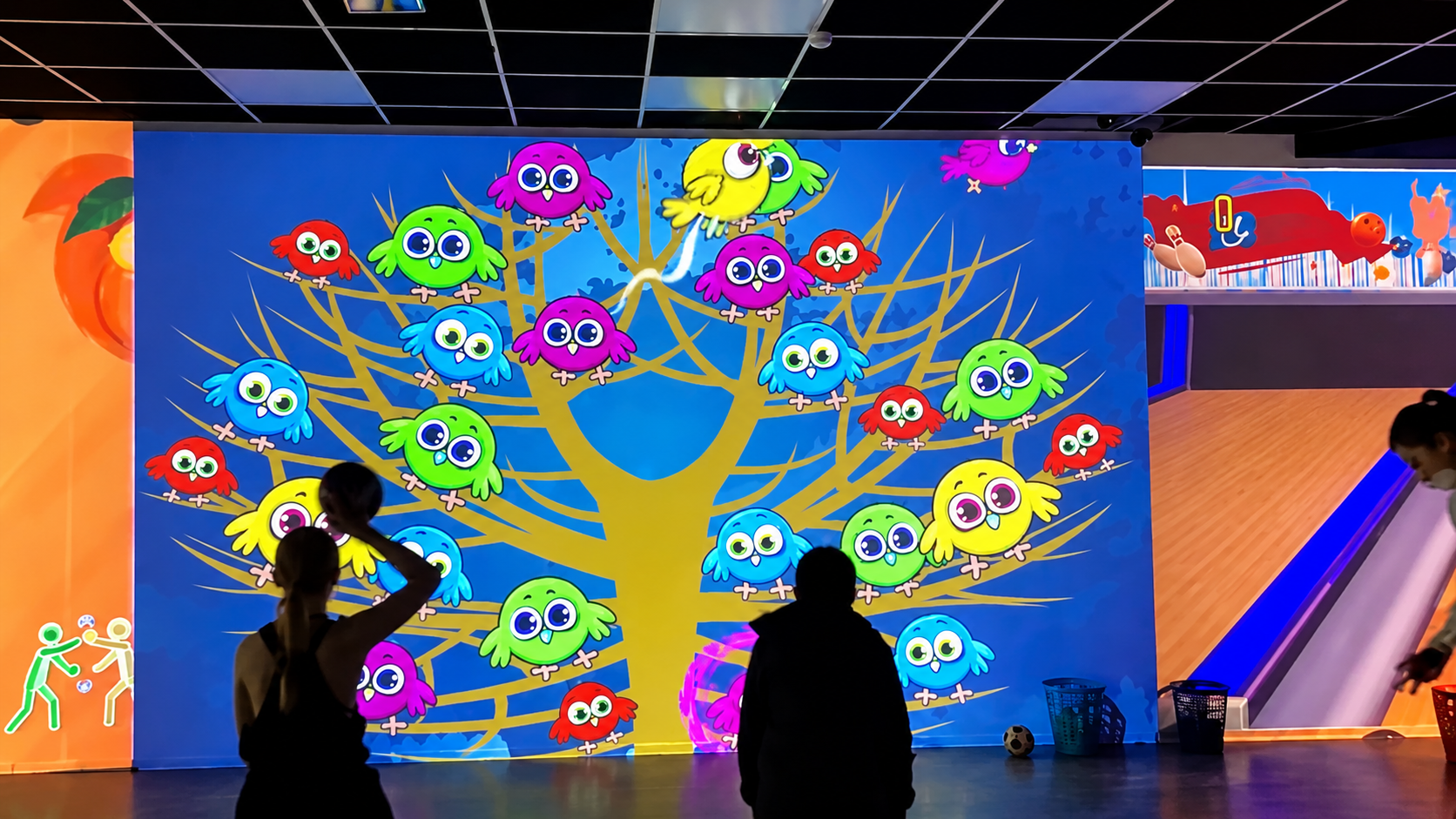
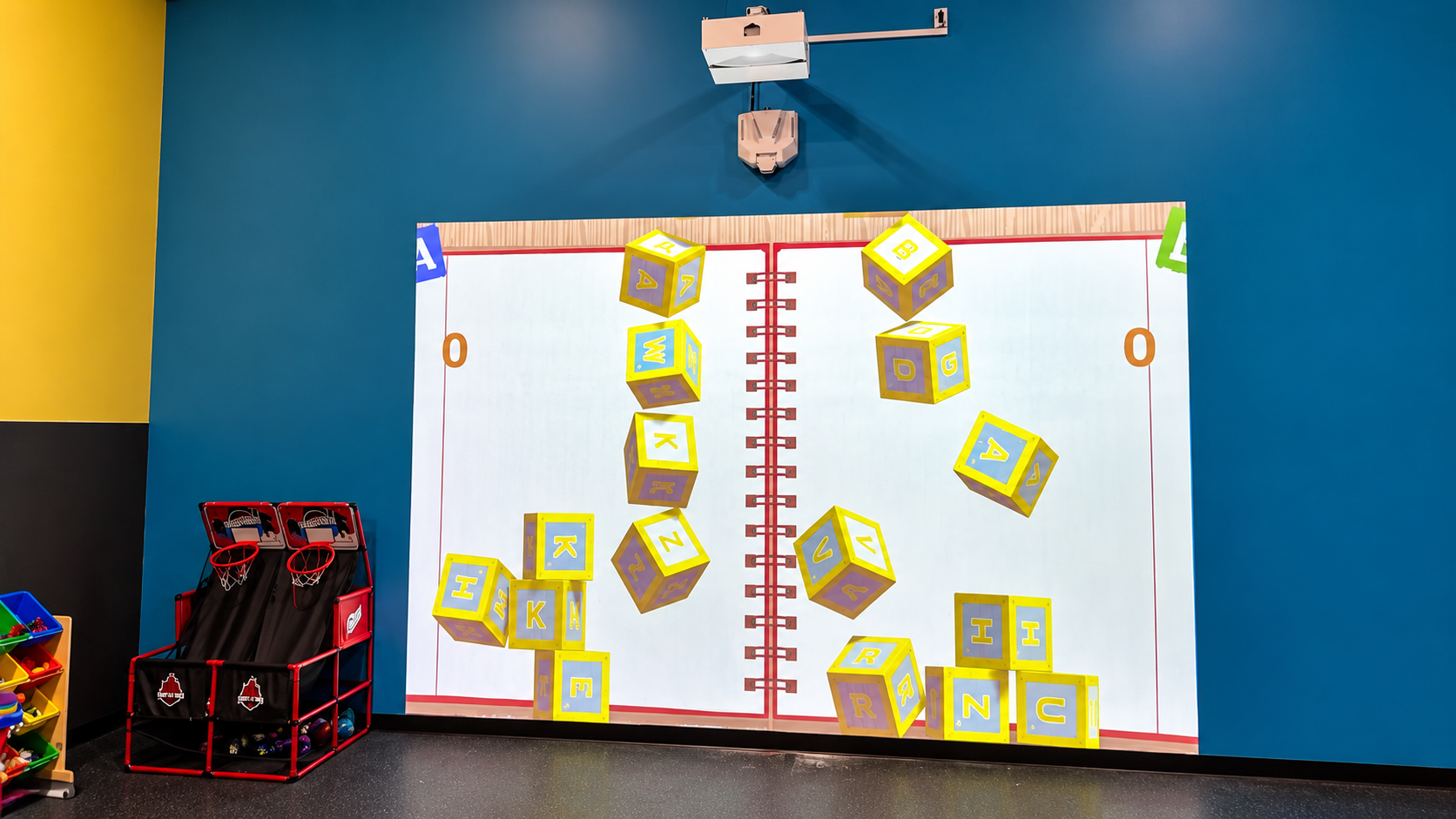
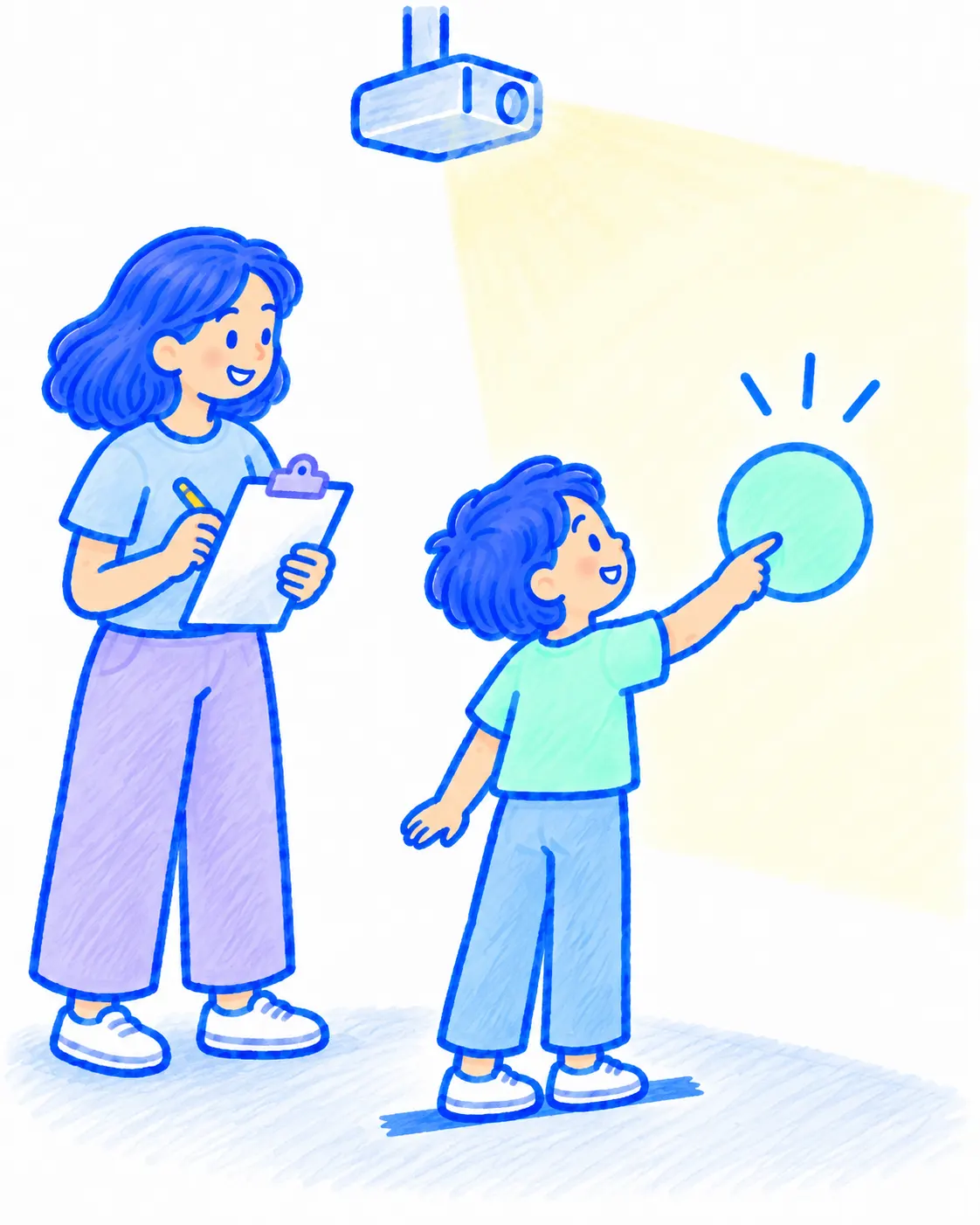
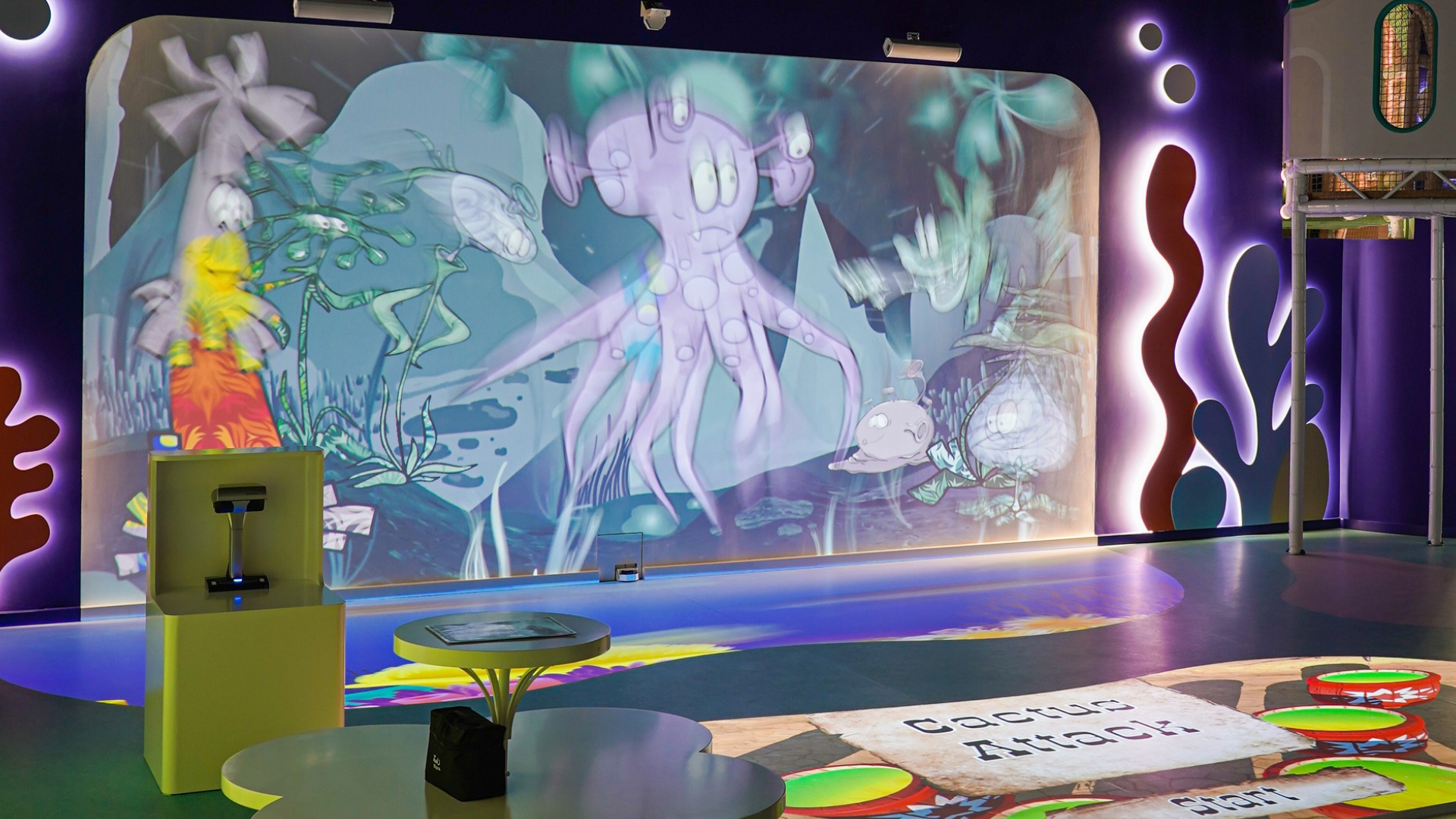
A NeuroLevel interactive wall projector turns a clear wall into a surface children can play on. They can reach for a picture, tap an answer, or hit a target with a soft ball in compatible games. Motion tracking lets the scene respond as they play.

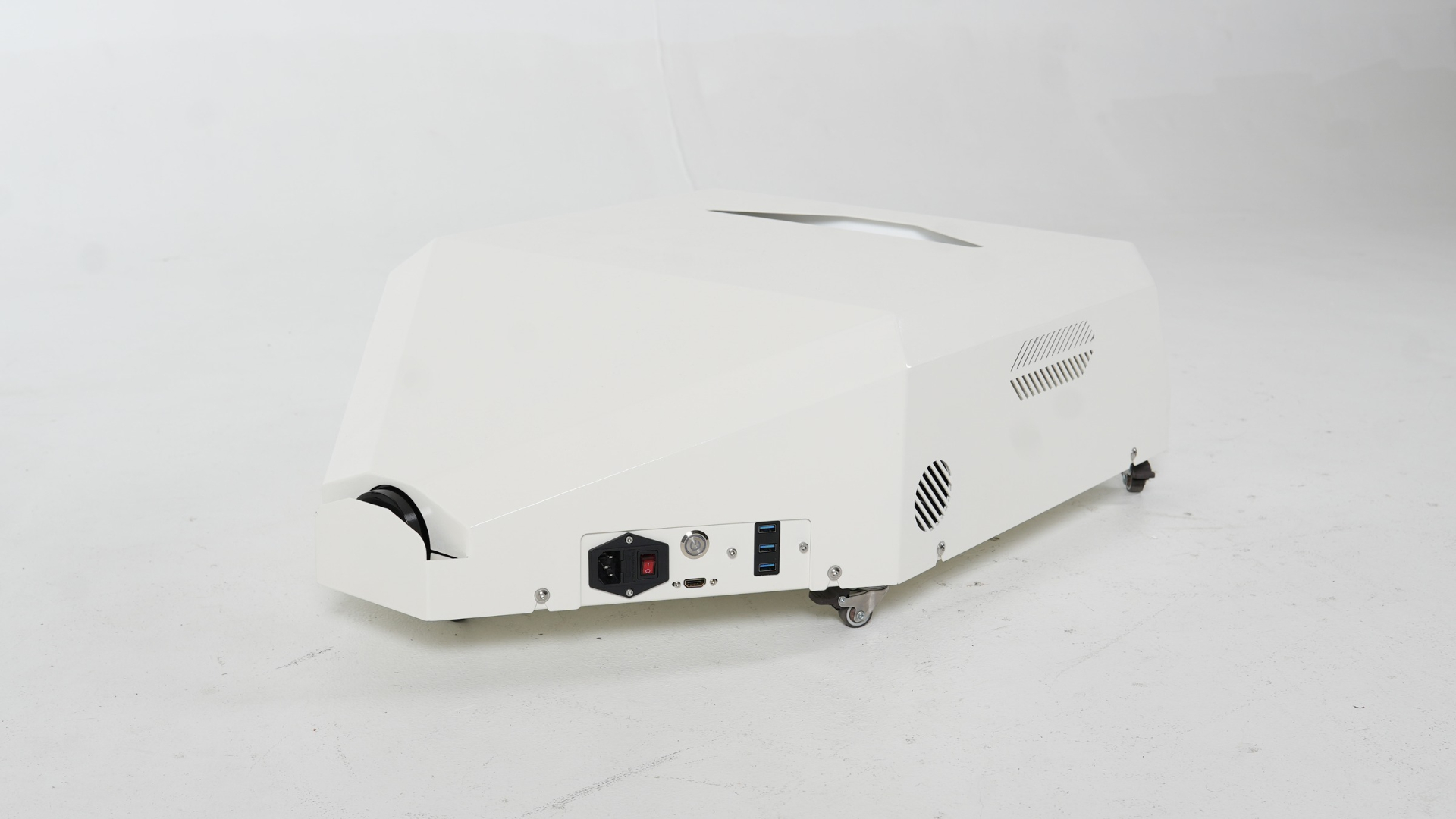
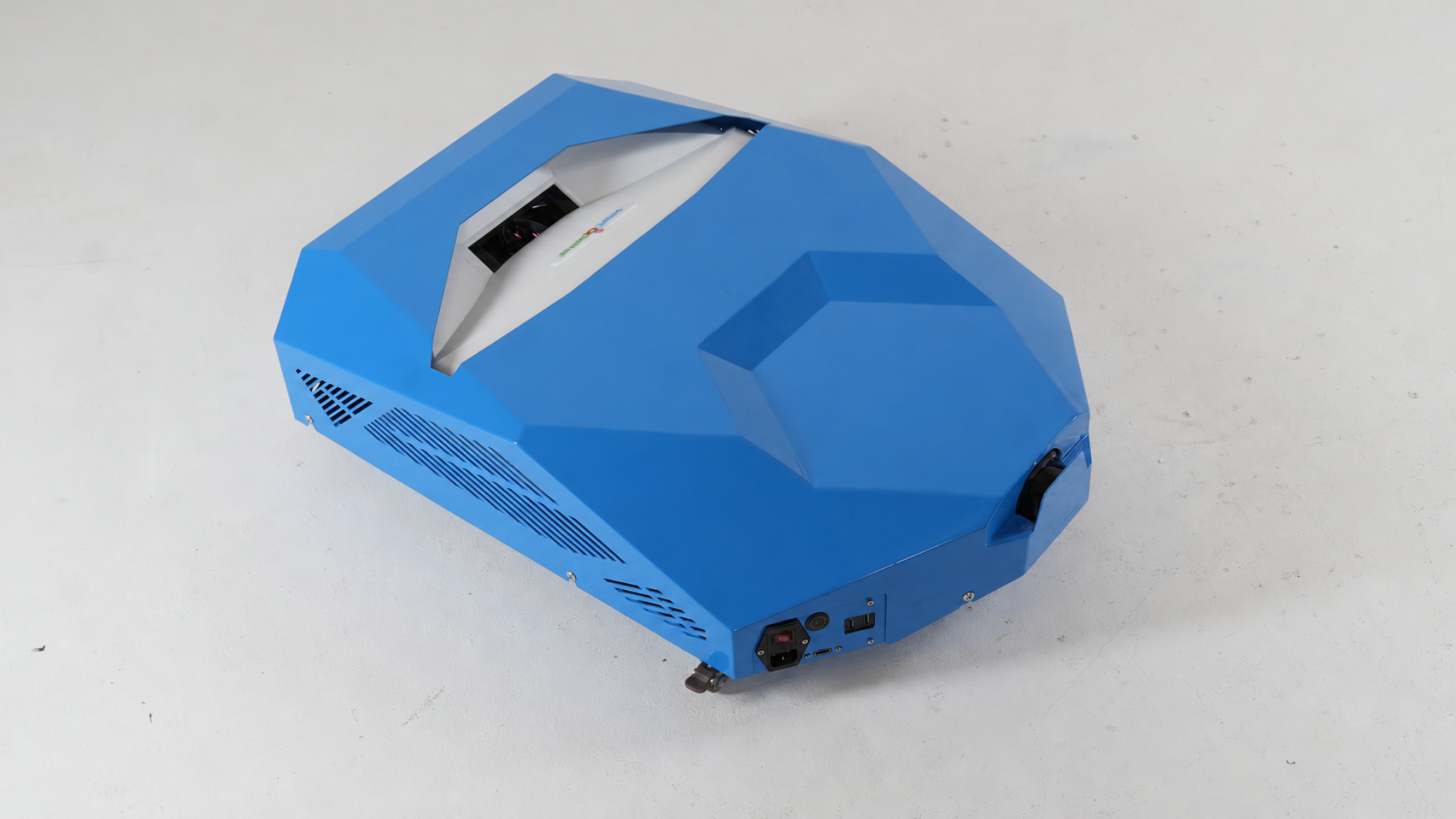
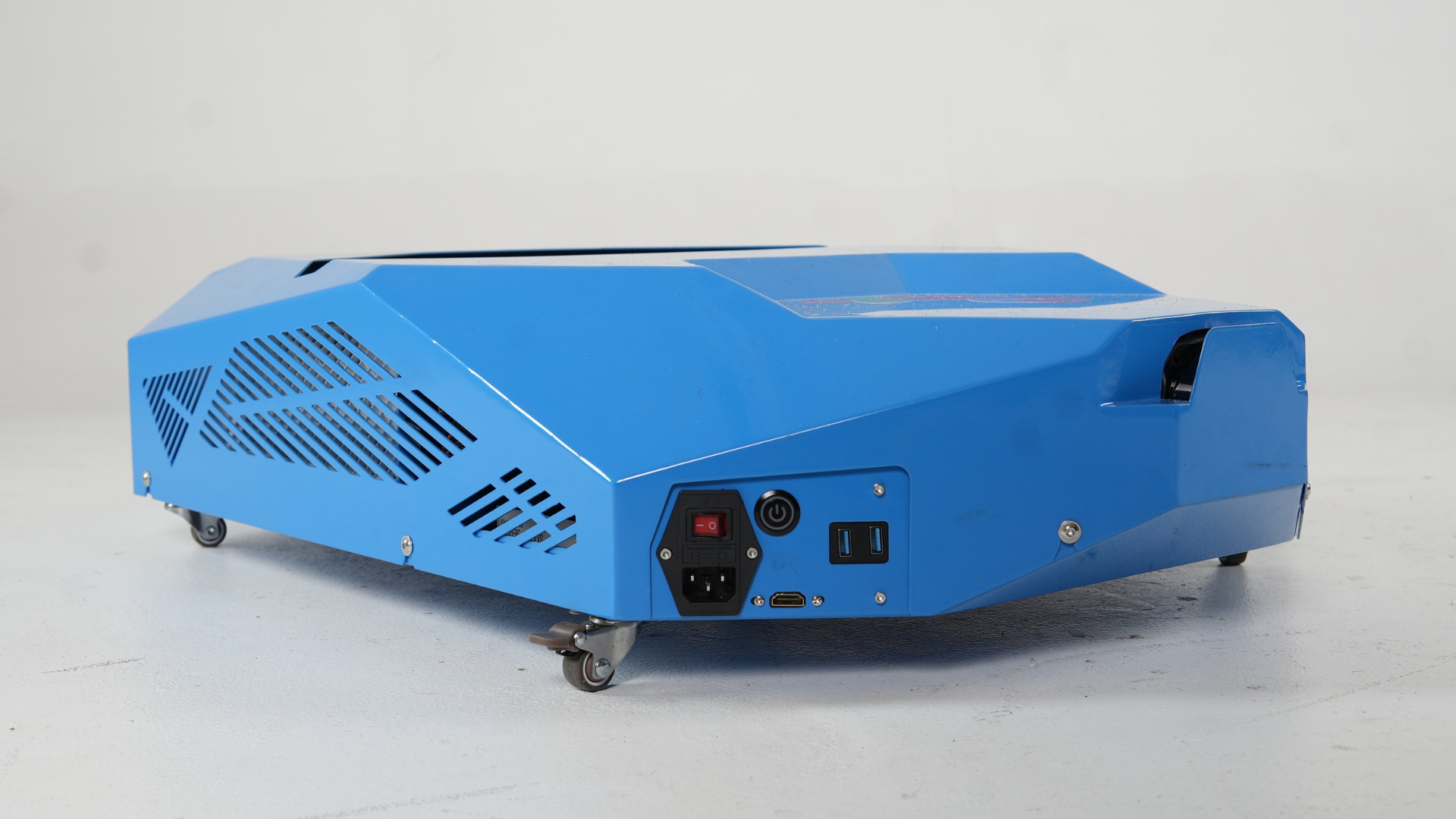
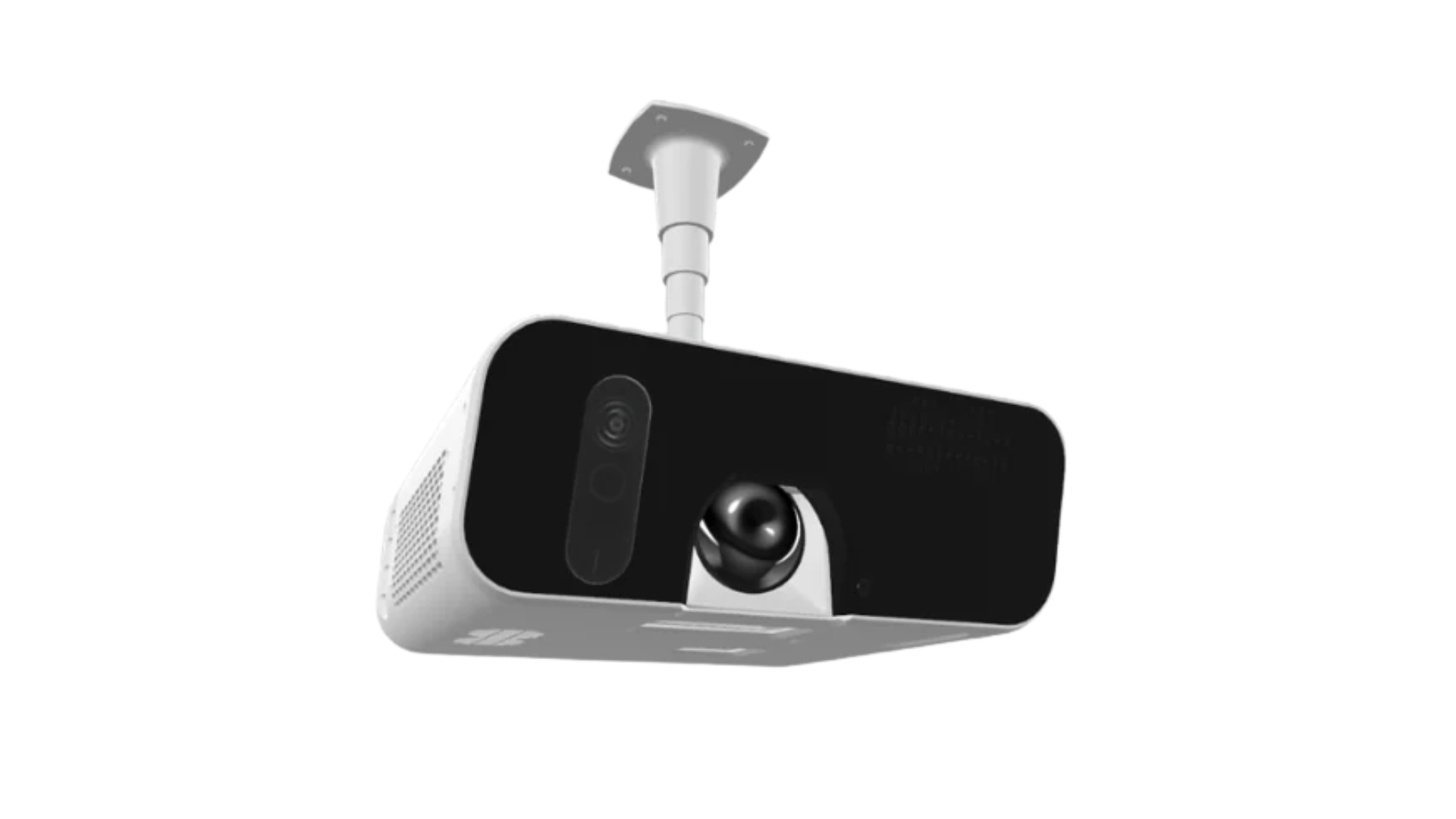
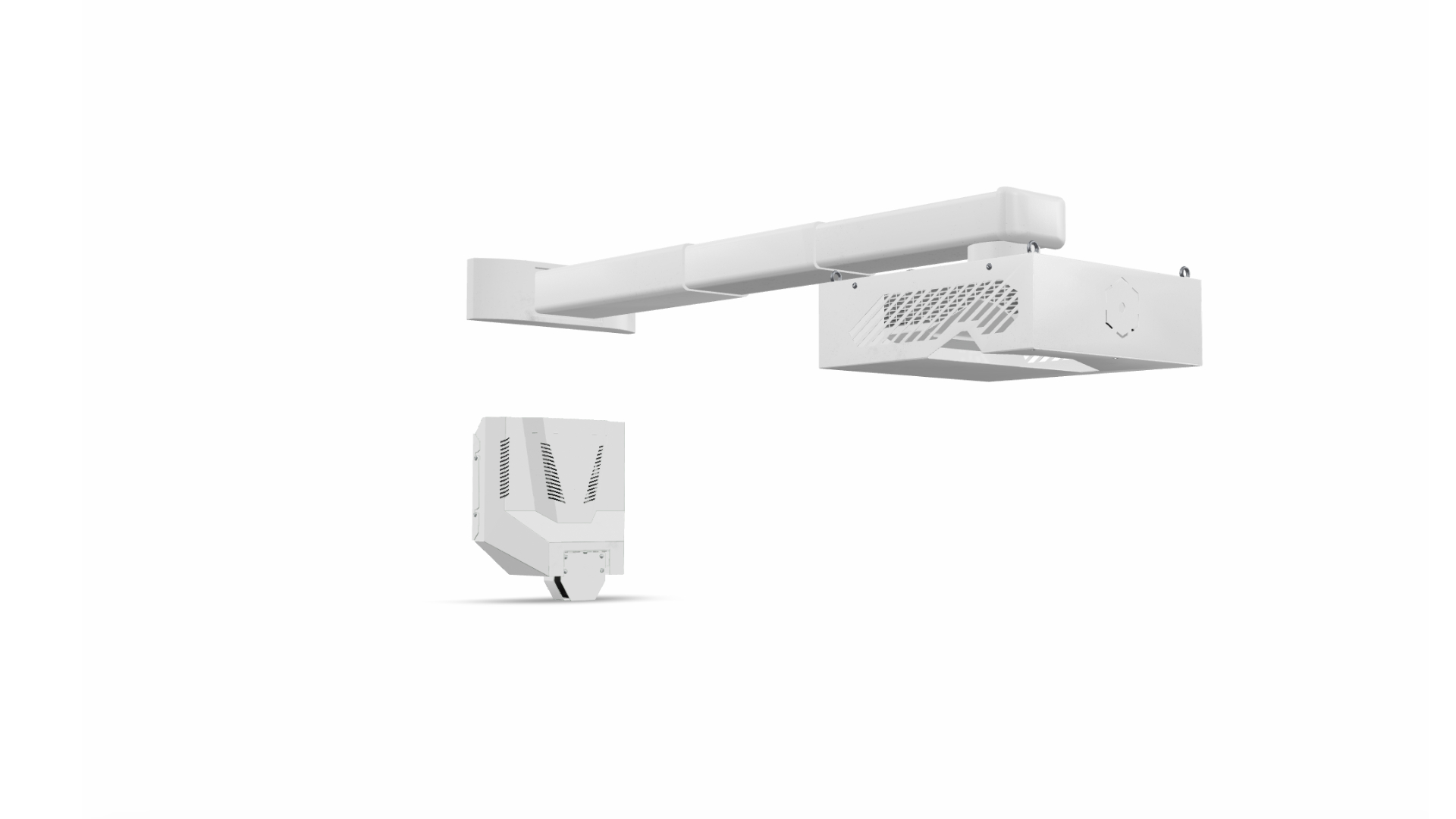
Use the interactive wall for movement-based lessons, therapist-led activities, or group play. Choose a mobile unit to share between rooms, a ceiling-mounted system for a dedicated space, or a wall-mounted model for a gym.

What Children Can Practice With Wall Projection

Projected targets give children a visible place to reach, aim, or show an answer.

Follow a moving target before reaching for it.

Reach for a picture or aim a soft ball in compatible games.

Listen for a cue that signals a hit or the end of a turn.

Follow one visual cue at a time, then try a short sequence.

See the target change when you reach it.

Look at the same scene and point out what happens next.

Visual Tracking

Follow a moving target before reaching for it.

Hand–Eye Coordination

Reach for a picture or aim a soft ball in compatible games.

Sound Cues

Listen for a cue that signals a hit or the end of a turn.

Sequencing

Follow one visual cue at a time, then try a short sequence.

Movement Feedback

See the target change when you reach it.

Shared Attention

Look at the same scene and point out what happens next.

Using the Wall in Special Education and Therapy

If the standard Sensory Wall models do not suit your needs, we can customize them for you.

Set One Goal

Choose an action you can observe, such as reaching for a named picture.

Adjust the Task

Use an interactive wall projector for special education classrooms to offer two projected choices. For some students with autism spectrum disorder (ASD), show one turn before asking them to choose.

Record What You See

Note whether the learner completes the task independently, after a prompt, or after a demonstration.

How to Structure a Wall-Based Activity

Use these six steps to give each interactive wall activity a predictable routine while leaving room to adjust it to the child’s needs.

01
Check In
Offer a choice to watch or join.
02
Show the Space
Point out where to stand.
03
Model One Turn
Show how to reach a target.
04
Give One Task
Start with one cue.
05
Adjust
Change the target, distance, or cue.
06
Close the Round
Signal the end and note the response.

Plan a Wall Activity With Your Team

Corinne Grossman, Pediatric Occupational Therapist

Corinne Grossman

OTR/L, Pediatric Occupational Therapist

Tell us who will use the wall and what they’ll practice. In a demo, we can show how a game and setup could fit your room and session goals.

Corinne Grossman

OTR/L, Pediatric Occupational Therapist

See the Interactive Wall in Action

Gabriela De la torre " alt="">
Using the Wall in Therapy

Gabriela De la torre

A therapist shares their perspective on using the wall in sessions.
Thomas Ruiz " alt="">
A Teacher’s Perspective on the Wall

Thomas Ruiz

An educator talks about using the equipment with students.
Mobile Interactive Ball Wall " alt="">
Mobile Interactive Ball Wall

See a mobile unit in use with ball-based activities.
Sports Games on the Wall " alt="">
Sports Games on the Wall

See examples from the sports mode.
Interactive Wall

How the Interactive Wall Works

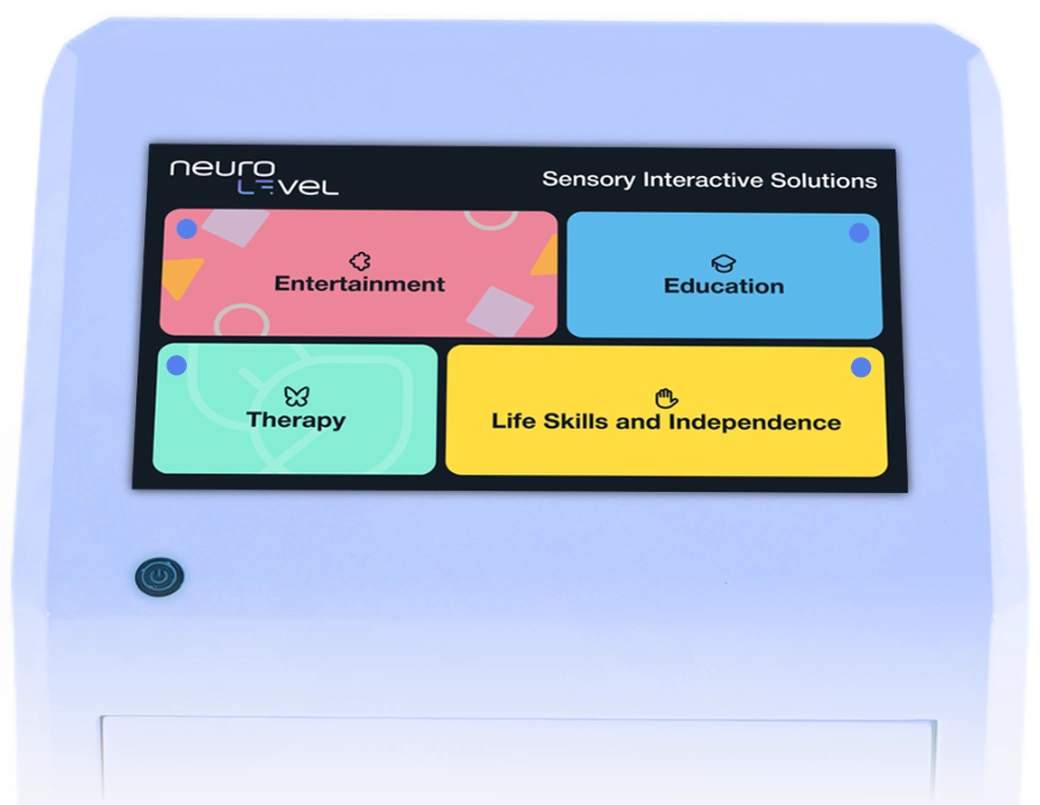
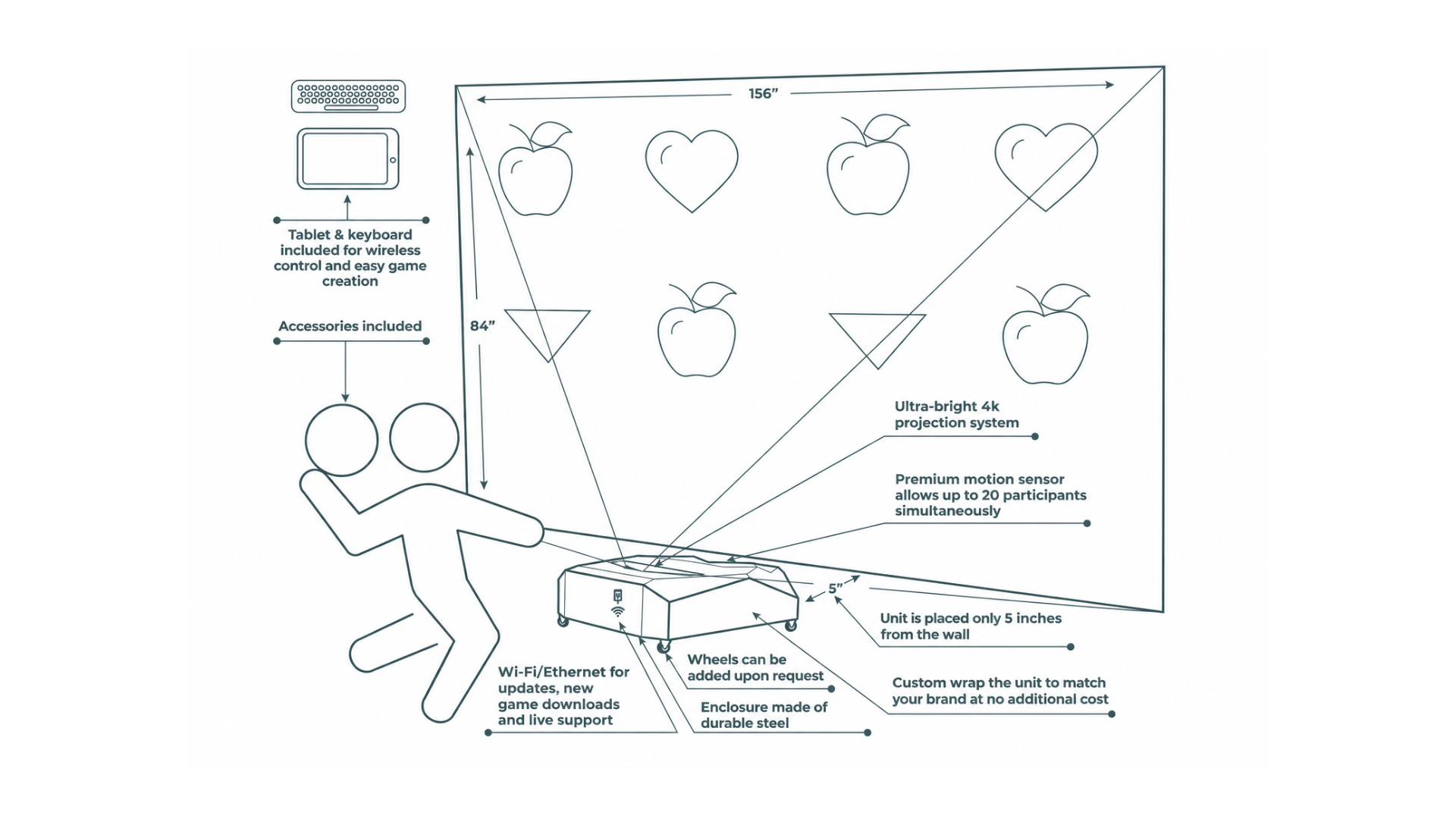
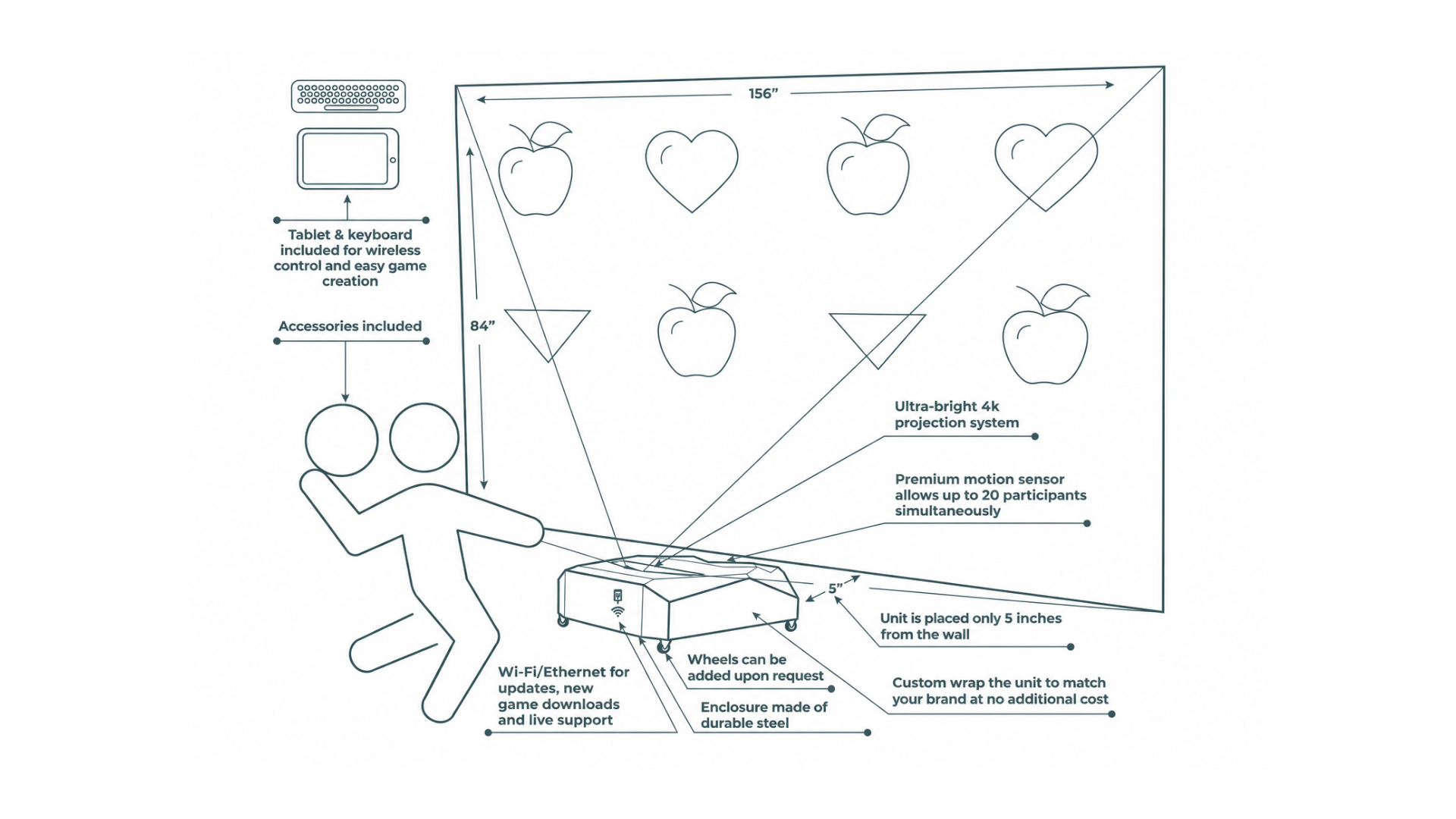
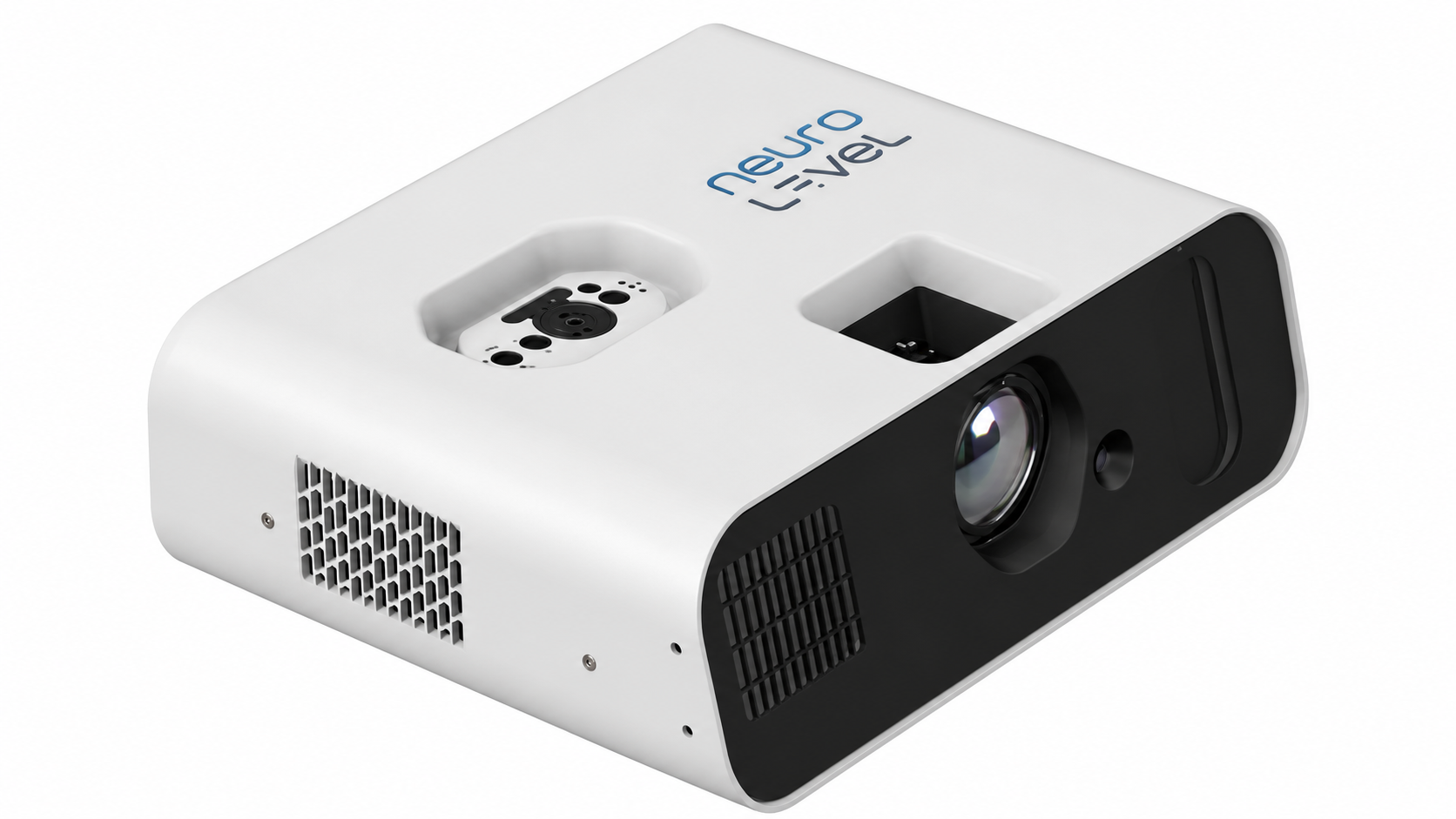
The interactive wall projection system combines a projector, computer, motion sensor, and speakers. A facilitator selects an activity, and the projector displays it on the wall.

As a player reaches toward a projected target, the sensor tracks the action and the software updates the scene. In compatible games, players can use soft balls to hit targets. The response might be a change in the image, a sound, or both.

Interactive Wall Software and Activities

Each model includes 83 activities for learning, movement, and group play.

Hit the Balloons

Low activity level

Gameplay:

Hit projected balloon targets by reaching or throwing a soft ball in compatible setups. Successful hits score points.

Clinical value:

Use a reachable target to practice looking, aiming, and reaching or throwing. Start with one cue and check whether the learner locates the target before moving.

Category:

Coordination & Movement

Targeted skills:

Visual attention Hand-eye coordination Aiming Turn-taking

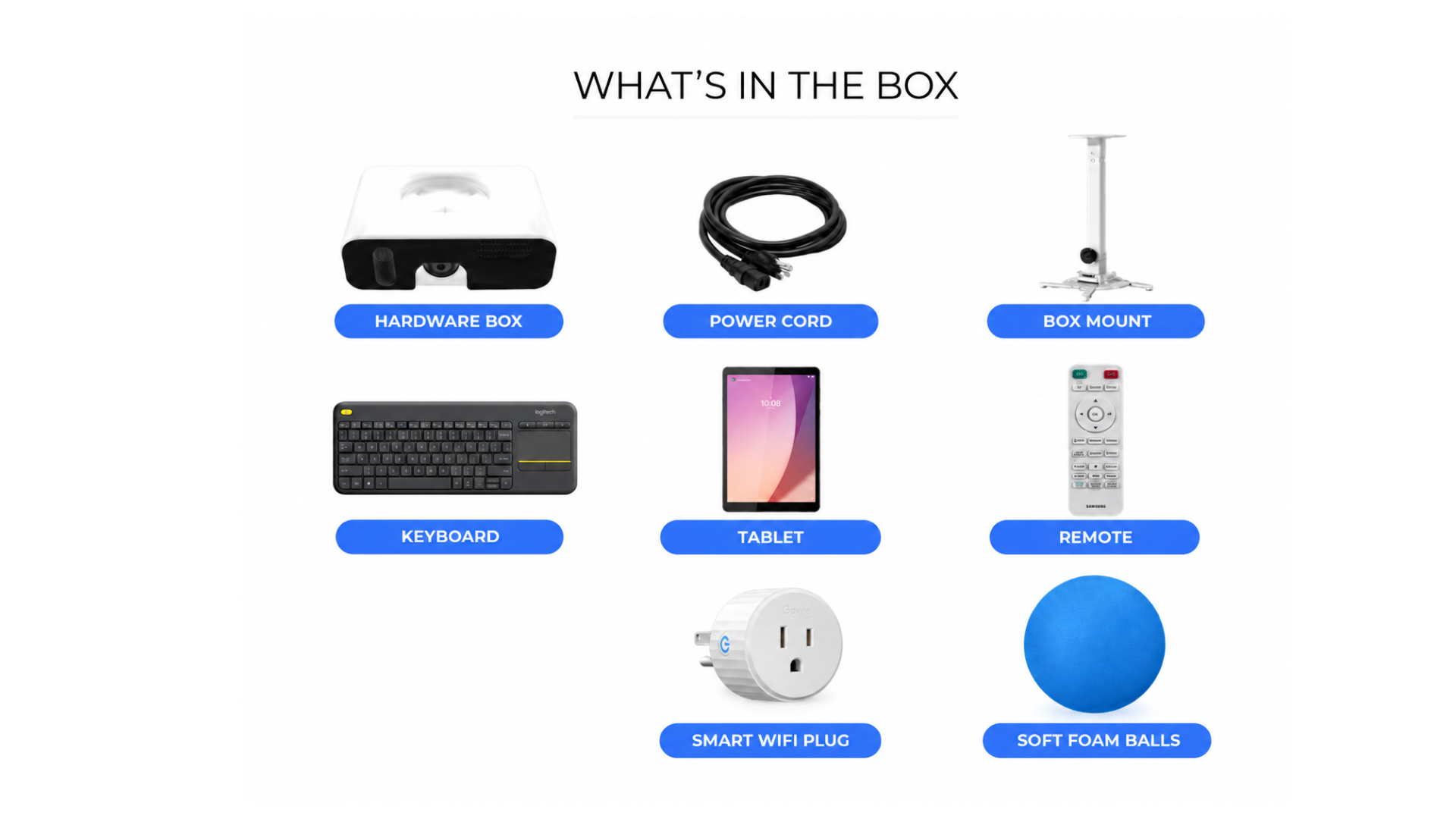
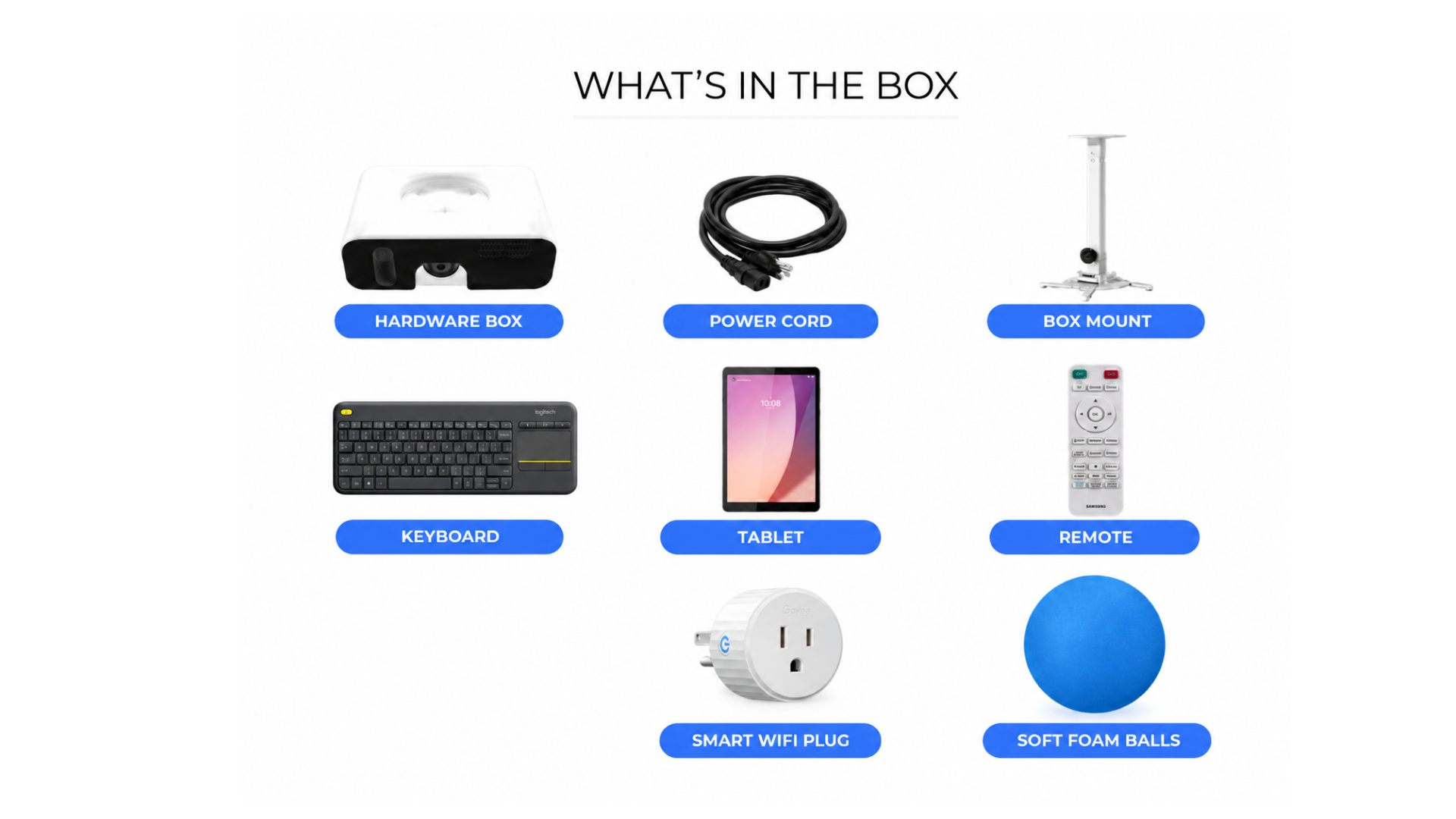
What Comes With an Interactive Wall?

Projection System: The unit and its activity library.

Controls and Accessories: Check the model card for the exact set of included items.

Soft Balls: Listed with the mobile models and the Gym Wall.

Choose an Activity for Your Goal

Academic Learning
Therapy and Sensory Rooms
Social Learning
Recreation and Family Play

Where Can You Use an Interactive Wall?

A projected wall gives learners a visible target and immediate feedback when they act. See how educators, therapists, and families can use that response to make a task easier to follow, observe, or share.

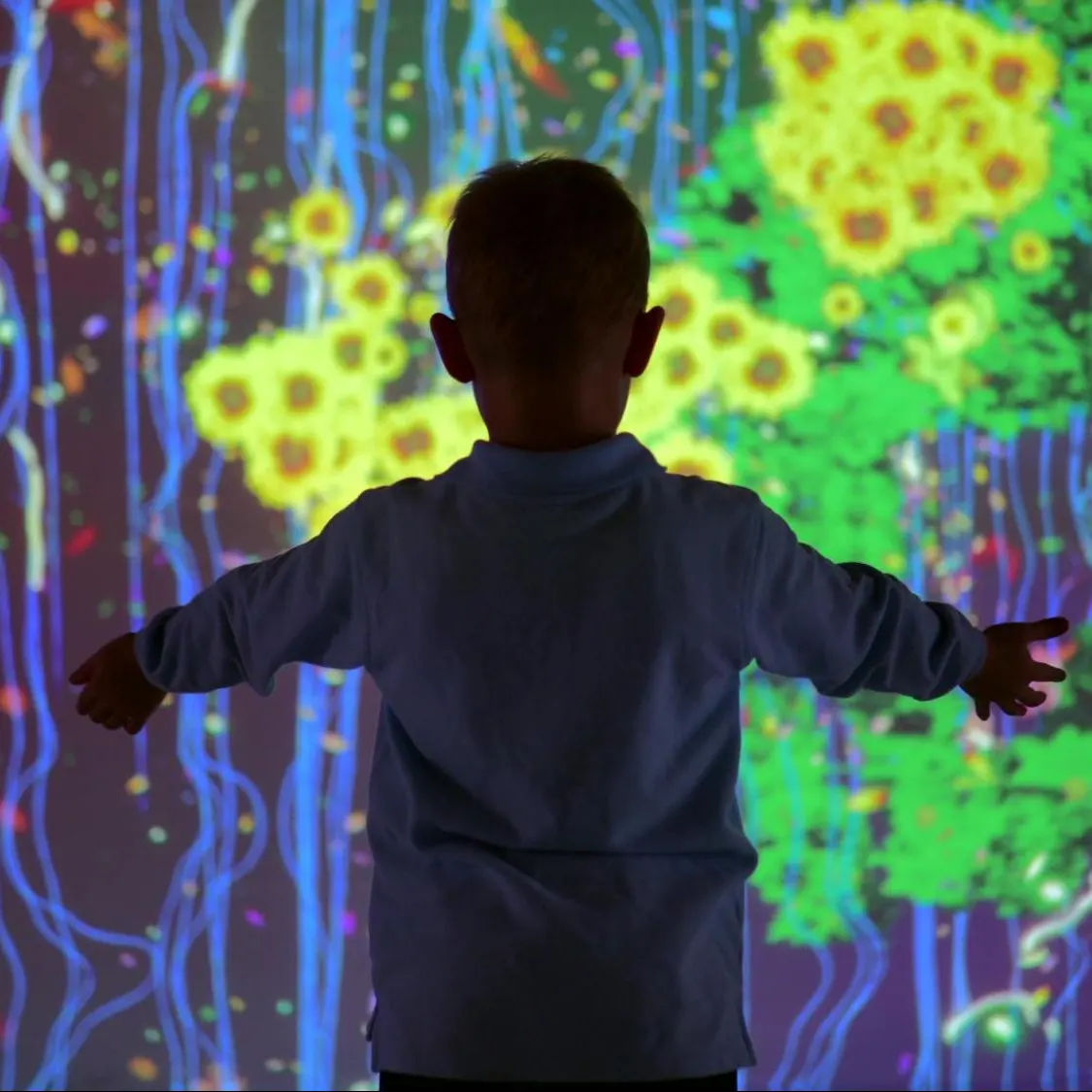
A learner faces an interactive wall displaying a vivid green and purple scene

Special Education Classrooms

Give a learner two projected pictures and ask them to reach for the one that answers your question. The wall responds to their choice, giving them immediate feedback and giving you a way to check understanding when a spoken answer is difficult. Model one turn first, then see whether the learner can make the next choice independently.

Children and adults gather in a sensory room around a brightly projected wall game

Sensory Rooms

When setting up interactive wall projection for sensory rooms, start with an activity that shows one target at a time. Demonstrate how the image responds to a reach, then pause before the next turn. A learner who prefers time to get used to new sights or sounds can watch the same action and response before deciding to join.

A child reaches toward a blue-toned wall projection during a play activity

Therapy Clinics

Choose a game with a target the learner can reach comfortably. Ask them to look at it, follow it if it moves, and then reach. Because you can see the cue and the response together, it’s easier to tell which part needs a prompt. You can repeat the same short task next session to compare how much help they need.

A child reaches for a yellow shape in a projected wall game

Preschools and Early Learning

Project a few shapes and ask a child to find the one that matches a shape you hold up. The large shared image lets the rest of the group follow along while one child takes a turn. Repeat the same rule with a new shape so you can see who recognizes it across examples.

A learner reaches up in front of a green interactive wall game

Schools and Physical Education

Use a projected matching task to review lesson content or choose a compatible soft-ball game for PE. A learner with attention-deficit/hyperactivity disorder (ADHD) may find a short round easier to follow when you give one instruction and use one target per turn. A clear stopping cue helps the group know when to switch players or return to classwork.

An adult and a child stand near a wall with a motion-responsive game projected onto it

Pediatric Healthcare Settings

In a supervised pediatric playroom, choose a short activity that a child can try from a comfortable position. Let them watch a staff member reach for a target and see the animation respond before inviting them to try. A self-contained round gives children a way to join briefly and stop when they’re ready.

Two children move in front of an interactive wall displaying a game prompt

Recreation and Community Centers

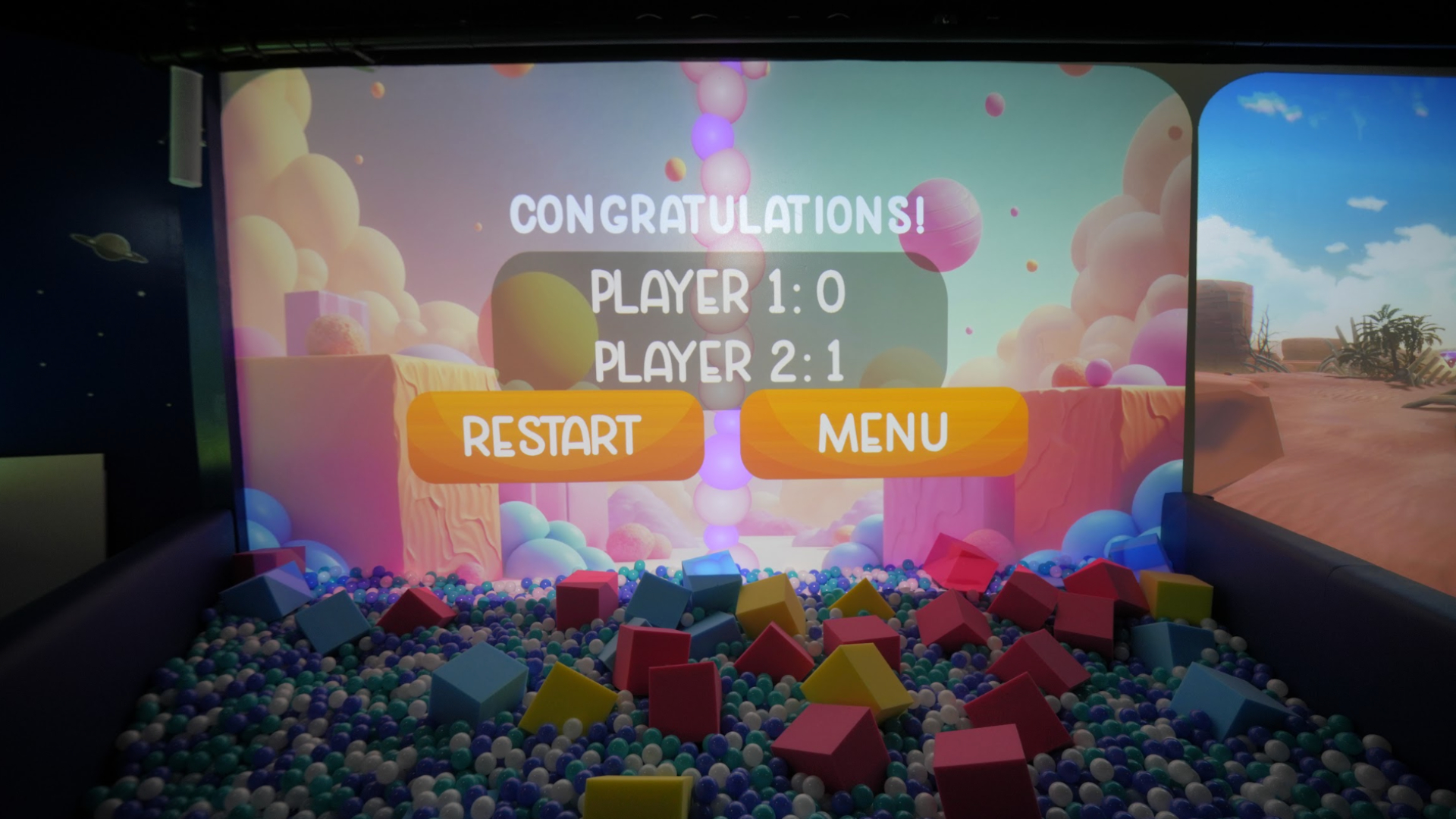
Use a compatible target game with pairs. One player calls out the next target and the other reaches for it or aims a soft ball. Switch roles after each round. Because both players can see the target and its response, children with different movement abilities can share the same game and contribute in different ways.

A player stands in front of a projected wall game with colorful targets

Home Learning and Family Play

If you have a clear wall and suitable lighting, take turns choosing a picture for the other person to find. Start with familiar pictures, then change one cue at a time. You can see whether your child follows the new cue and decide together whether to repeat the round or try another challenge.

Custom Interactive Wall Systems

Tell us about the room and what you want participants to do. We can review installation options and discuss a custom activity if you have a specific teaching or play goal.

  • Tell Us Aspanout Your Space: share wall dimensions, lighting, and how the room is used.
  • Define the Activity: agree on the learning or play goal and what the user will do.
  • Develop the Game: our team spanuilds the activity around the agreed spanrief.
  • Review It in a Demo: see the activity and check how it fits your sessions.

What Sets NeuroLevel Wall Projectors Apart

[ 01 ]

Made in the USA With U.S.-Based Support

NeuroLevel makes the equipment in the United States and provides U.S.-based tech support with remote diagnostics. Staff can get help troubleshooting a technical issue without sending the unit away for an initial check.

[ 02 ]

83 Activities

Pick a game that fits the goal for the day, such as reaching for a target or matching pictures. Keep the same turn-taking routine when you change the task.
[ 03 ]

Three Mounting Options

Share a mobile unit across classrooms or choose a mounted model for a dedicated space. A fixed setup gives children a familiar place to stand and start each session.

[ 04 ]

Responsive Projection

Reach for a projected target and see it react right away. That immediate response helps children connect the movement they made with what changed on the wall.

[ 05 ]

Options for Room Lighting

Choose a model rated for the room’s usual lighting. Matching projector brightness to the space helps targets stand out without having to change the lighting for every session.

[ 06 ]

Ball-Based Play

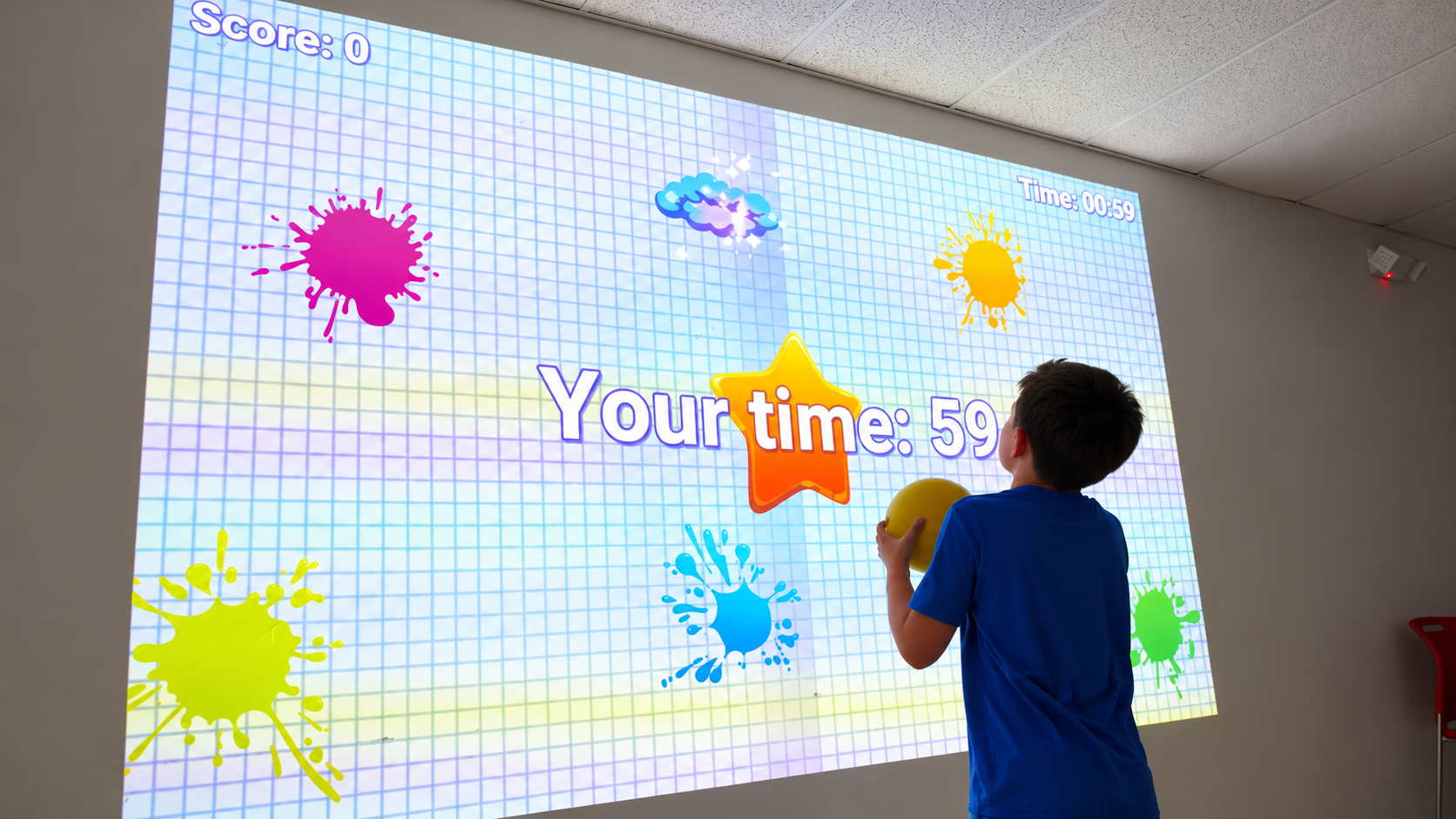
In compatible games, children can throw a soft ball at a projected target. Choose a comfortable starting distance so they can practice aiming and see where their throw lands.

[ 07 ]

One or More Players

Start with individual turns so a child can learn the game at their own pace. Then add a partner and give each player a clear role, such as calling out or reaching for the target.

[ 08 ]

2–5 Year Warranty

Warranty length varies by model. Comparing coverage before you buy helps you plan for equipment that staff may use across several school years.

[ 09 ]

Demo Before You Choose

Ask to see a game you would use with your group. Check how visible the targets are, how children would reach them, and what instructions staff would need to give.

Interactive Wall Models and Pricing

Start with your room lighting and how you plan to use the wall. All five models include 83 activities. Choose an interactive wall model to see its specifications or request a quote.

Compare Interactive Wall Projectors

Both mobile models and the Gym Wall require a wall at least 8.2 ft high. For ceiling-mounted models, check the available distance between the projector and the wall. Keep direct sunlight off the projection area.

Model Mounting Brightness Ambient Light Projection Size (W × H)
Mobile Interactive Wall Mobile 3,000 lm Low to moderate 11.3 × 6.3 ft
Mobile Interactive Wall Plus Mobile 5,000 lm Moderate to high 11.9 × 7.4 ft
Interactive Wall Ceiling 3,000 lm Low to moderate 8 × 5 to 16.4 × 9.8 ft
Interactive Wall Plus Ceiling 4,000 lm Moderate 8.9 × 4.9 to 19.7 × 11.2 ft
Interactive Gym Wall Wall 5,000 lm Moderate to high 7.4 × 4.2 to 17.5 × 9.8 ft

Need Help Choosing a Model?

Share your wall measurements and room lighting so we can help you narrow down the options.

Benefits for Parents

Have an Indoor Movement Break Ready

When going outside is hard, start a short interactive wall game you already know. You have a way to get your child moving indoors without planning a new activity each time.

Find Games Your Child Wants to Play

Offer two games with pictures or themes your child recognizes. Seeing which one they choose gives you a starting point for the next play session, especially if it’s hard for them to tell you what they’d like.

Share a Game You Can Both Join

Take turns choosing and reaching for a projected target. The wall’s response gives you something to react to together, even on days when it’s hard for your child to keep a conversation going.

Make Start and Stop Times Predictable

Use the same opening cue and agree on a clear ending, such as one last target. That gives you a simple routine to repeat when it’s time to put away a favorite activity.

Give Siblings a Game They Can Share

One child can call out a target while another reaches for it. With roles for different abilities, you can run one game for everyone and switch roles when they’re ready.

A child reaches for a mint-green circle on the interactive wall while an adult watches
Have an Indoor Movement Break Ready

When going outside is hard, start a short interactive wall game you already know. You have a way to get your child moving indoors without planning a new activity each time.

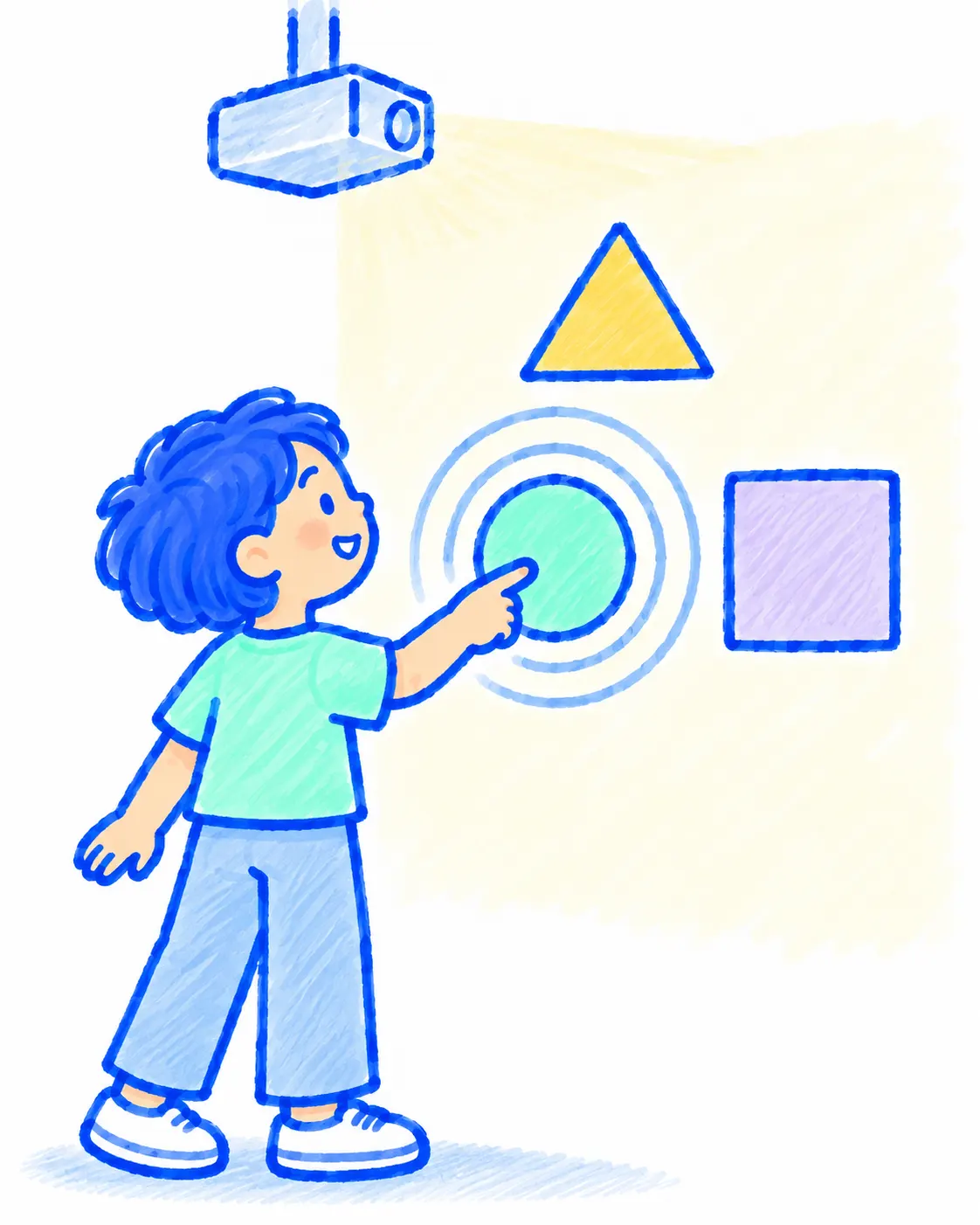
A child points to a projected circle beside a triangle and a square
Find Games Your Child Wants to Play

Offer two games with pictures or themes your child recognizes. Seeing which one they choose gives you a starting point for the next play session, especially if it’s hard for them to tell you what they’d like.

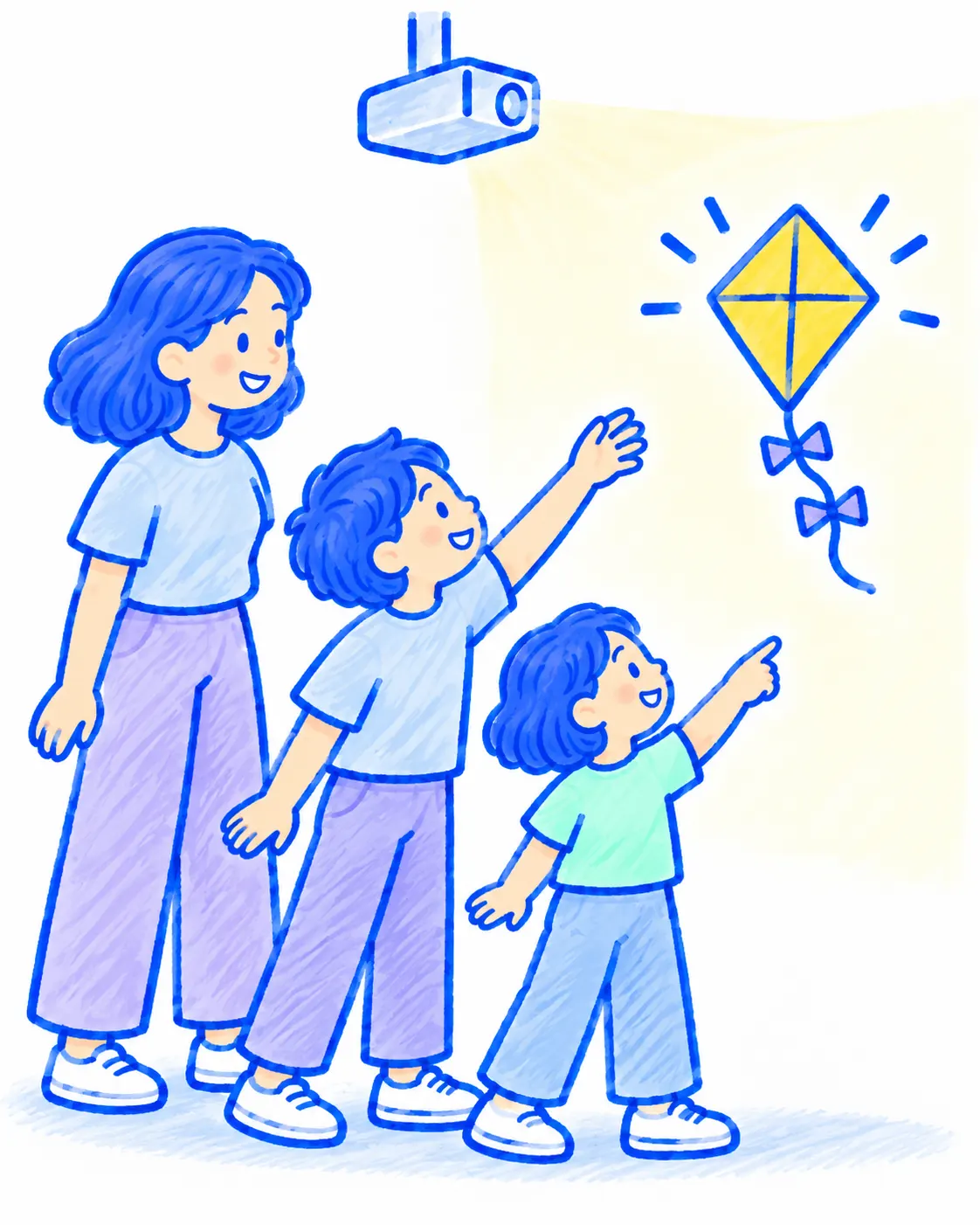
An adult and two children reach toward a yellow diamond projected on the wall
Share a Game You Can Both Join

Take turns choosing and reaching for a projected target. The wall’s response gives you something to react to together, even on days when it’s hard for your child to keep a conversation going.

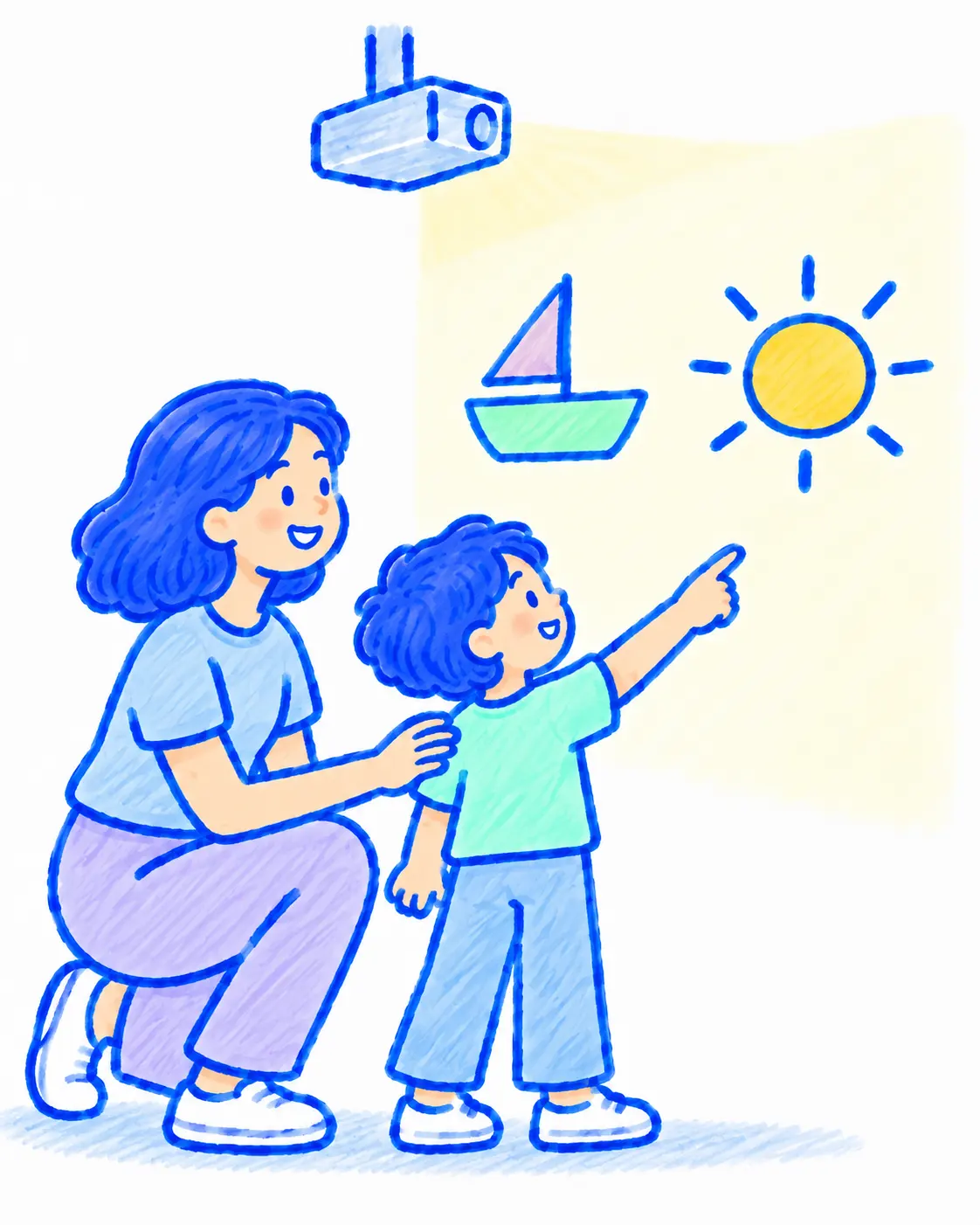
An adult kneels beside a child who reaches toward a projected sun
Make Start and Stop Times Predictable

Use the same opening cue and agree on a clear ending, such as one last target. That gives you a simple routine to repeat when it’s time to put away a favorite activity.

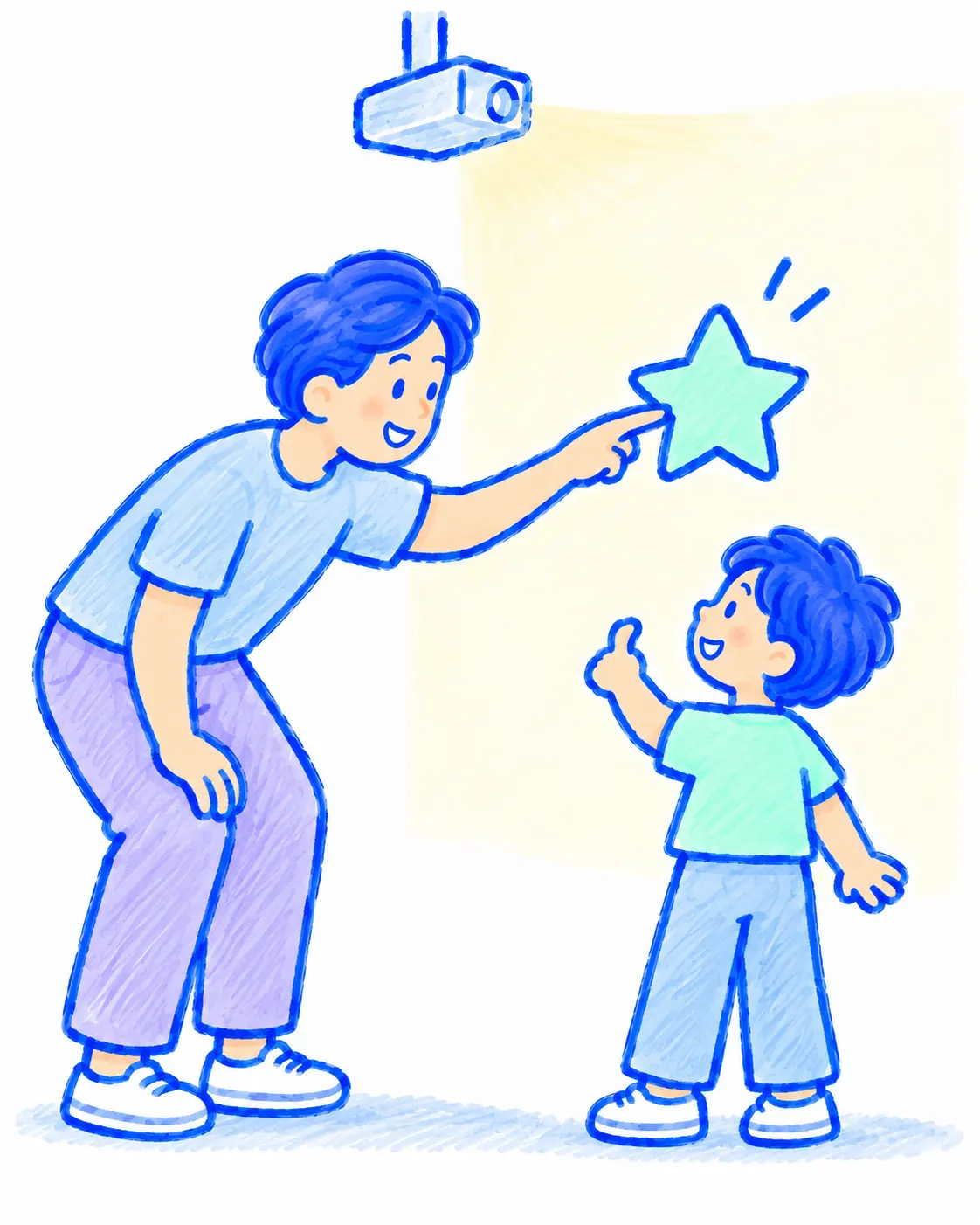
An adult points to a mint-green star on the wall while a child reaches toward it
Give Siblings a Game They Can Share

One child can call out a target while another reaches for it. With roles for different abilities, you can run one game for everyone and switch roles when they’re ready.

Benefits for Kids

Connect Movement With Its Result

When a child reaches for a target on the interactive wall, the projected image responds right away. That visible change helps the child connect their own movement with what happened on the wall.

Show What You Know Without Speaking
When finding the words is hard, a child can reach toward one of two projected pictures to answer a question. They get a way to show what they understand without needing to say the answer aloud.

Practice Looking, Aiming, and Throwing

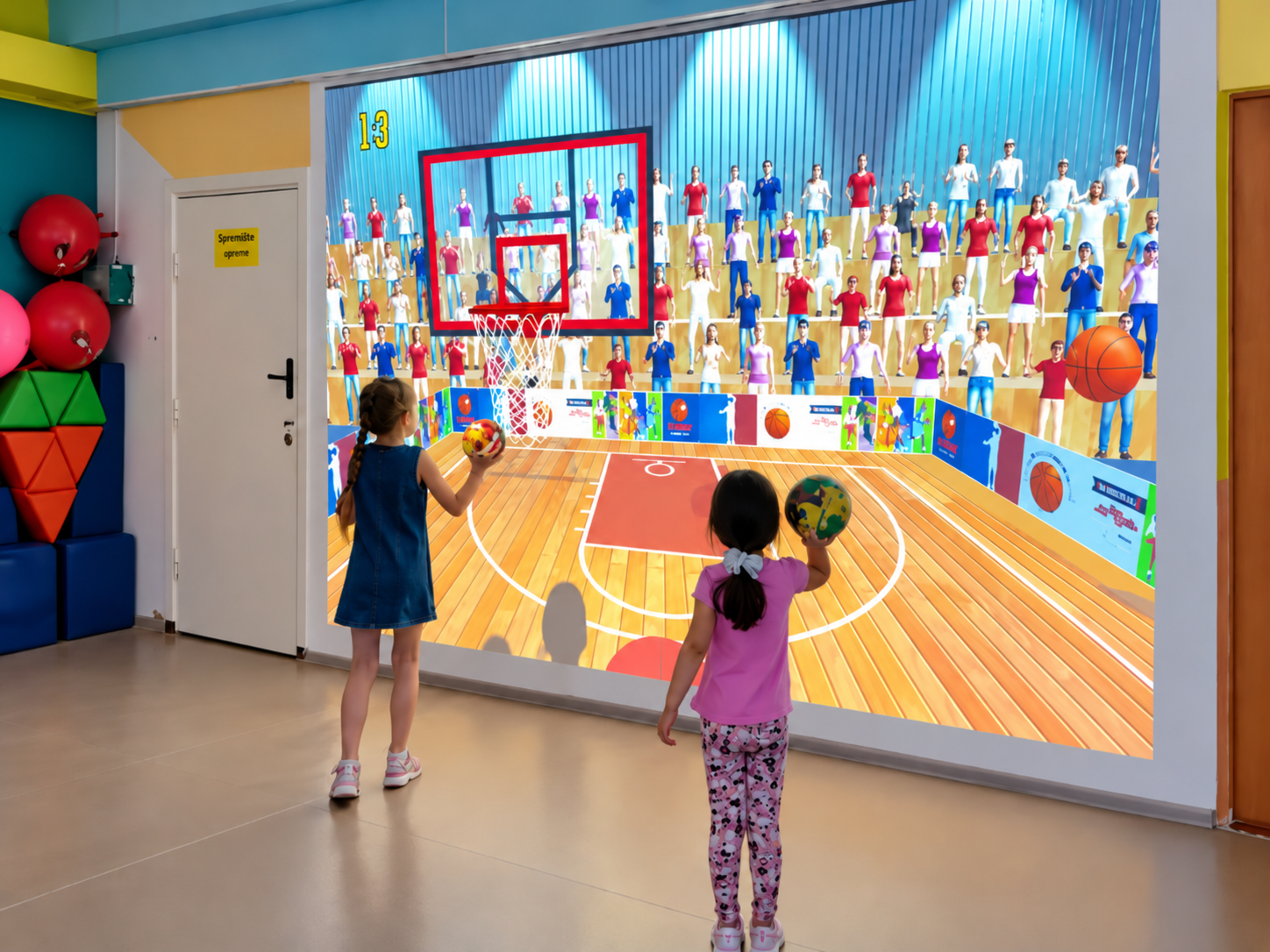
In a compatible soft-ball game, start with a large target and a comfortable throwing distance. The child can see where the ball hits and use that information to adjust the direction or force of the next throw.

Find the Target Before Moving

Choose a game that shows one target at a time. For a child who finds a busy scene hard to scan, a single cue makes it easier to locate the target and direct their reach.

Follow a Sequence One Step at a Time

Choose an activity where the next cue appears after the child completes the first action. A child who has trouble remembering several instructions can use each new cue to see what to do next.

Join at a Comfortable Pace

Let the child watch a round to see how the image moves and hear any sounds the game makes. When they’re ready, offer a reachable target so they can try one action before committing to a full round.

Recognize When It’s Your Turn

Use the same signal each time players switch, such as passing the ball. A visible cue tells a child when to wait and when to act, even if spoken instructions are hard to follow in a group.

Take a Meaningful Role in a Team

One child can choose a target by pointing while a partner reaches for it or throws. Both choices move the game forward, so a child can help the team in a role that fits how they move or communicate.

wall-kids1
Connect Movement With Its Result

When a child reaches for a target on the interactive wall, the projected image responds right away. That visible change helps the child connect their own movement with what happened on the wall.

wall-kids2
Show What You Know Without Speaking
When finding the words is hard, a child can reach toward one of two projected pictures to answer a question. They get a way to show what they understand without needing to say the answer aloud.
wall-kids3
Practice Looking, Aiming, and Throwing
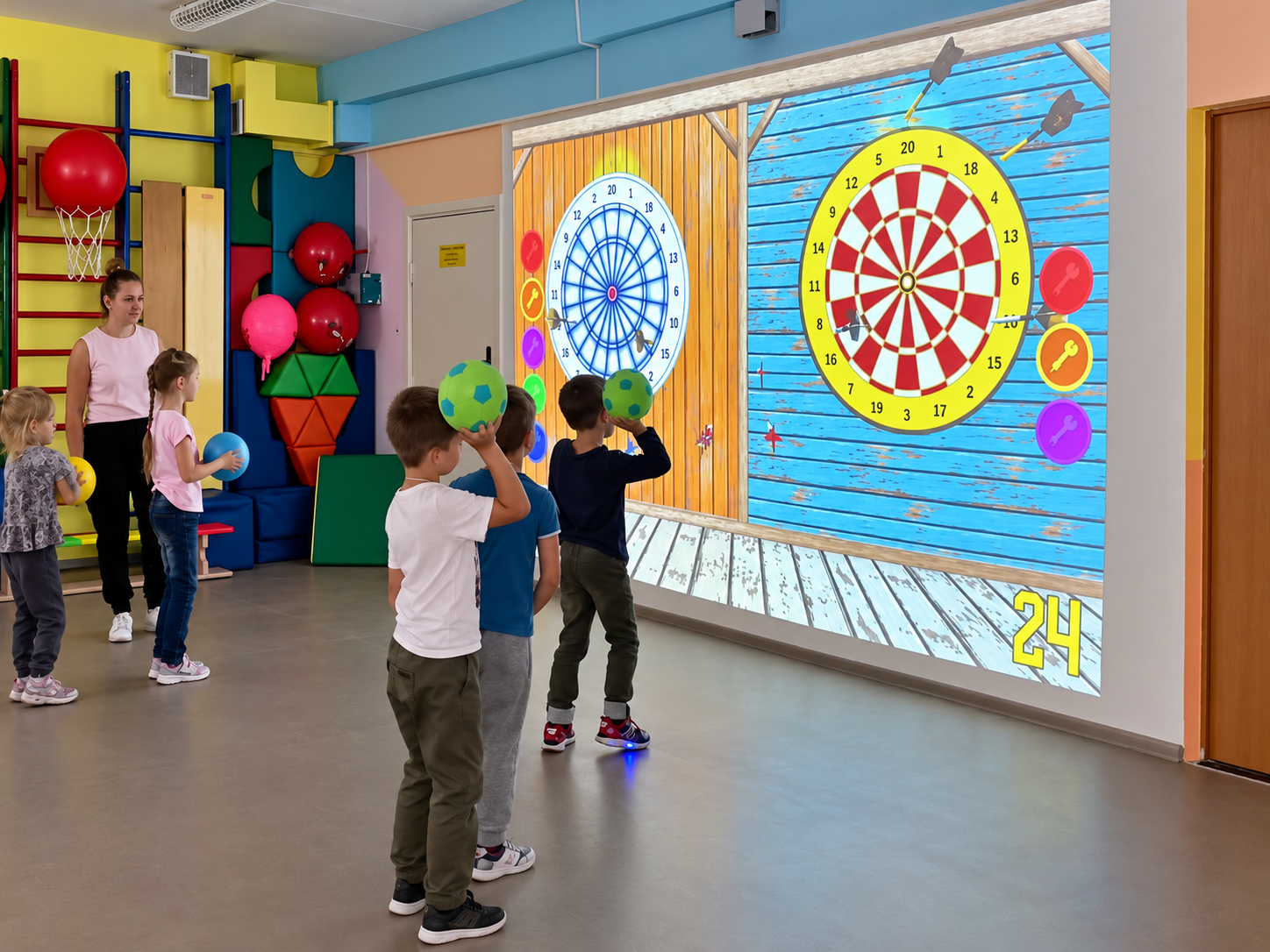
In a compatible soft-ball game, start with a large target and a comfortable throwing distance. The child can see where the ball hits and use that information to adjust the direction or force of the next throw.

wall-kids4
Find the Target Before Moving

Choose a game that shows one target at a time. For a child who finds a busy scene hard to scan, a single cue makes it easier to locate the target and direct their reach.

wall-kids5
Follow a Sequence One Step at a Time

Choose an activity where the next cue appears after the child completes the first action. A child who has trouble remembering several instructions can use each new cue to see what to do next.

Join at a Comfortable Pace

Let the child watch a round to see how the image moves and hear any sounds the game makes. When they’re ready, offer a reachable target so they can try one action before committing to a full round.

Recognize When It’s Your Turn

Use the same signal each time players switch, such as passing the ball. A visible cue tells a child when to wait and when to act, even if spoken instructions are hard to follow in a group.

Take a Meaningful Role in a Team

One child can choose a target by pointing while a partner reaches for it or throws. Both choices move the game forward, so a child can help the team in a role that fits how they move or communicate.

Benefits for Educators and Therapists

Effective learning tools

Our devices are actively used by educators and therapists to achieve maximum learning outcomes.

Quick rapport building with children

Thanks to interactive play, you can quickly build a connection with the children.

Integration of new games

Regular updates of games created by our development team will help keep sessions diverse and engaging.

Individualized learning plans

The ability to create personalized learning plans for each child.

Reinforcement of learned material

Reinforce already acquired knowledge and skills during play.

Child engagement

Increase children’s involvement in the learning process through the game format.

Group sessions

Develop social and communication skills in groups.

wall-teacher1
Effective learning tools

Our devices are actively used by educators and therapists to achieve maximum learning outcomes.

wall-teacher2
Quick rapport building with children

Thanks to interactive play, you can quickly build a connection with the children.

wall-teacher3
Integration of new games

Regular updates of games created by our development team will help keep sessions diverse and engaging.

wall-teacher4
Individualized learning plans

The ability to create personalized learning plans for each child.

wall-teacher5
Reinforcement of learned material

Reinforce already acquired knowledge and skills during play.

wall-teacher6
Child engagement

Increase children’s involvement in the learning process through the game format.

wall-teacher7
Group sessions

Develop social and communication skills in groups.

Sensory Rooms Bundles With Our Products

We offer portable sensory rooms and sensory corners to transform any space into an engaging environment. Our solutions are customizable, providing immersive experiences for therapy, events, or active exploration.